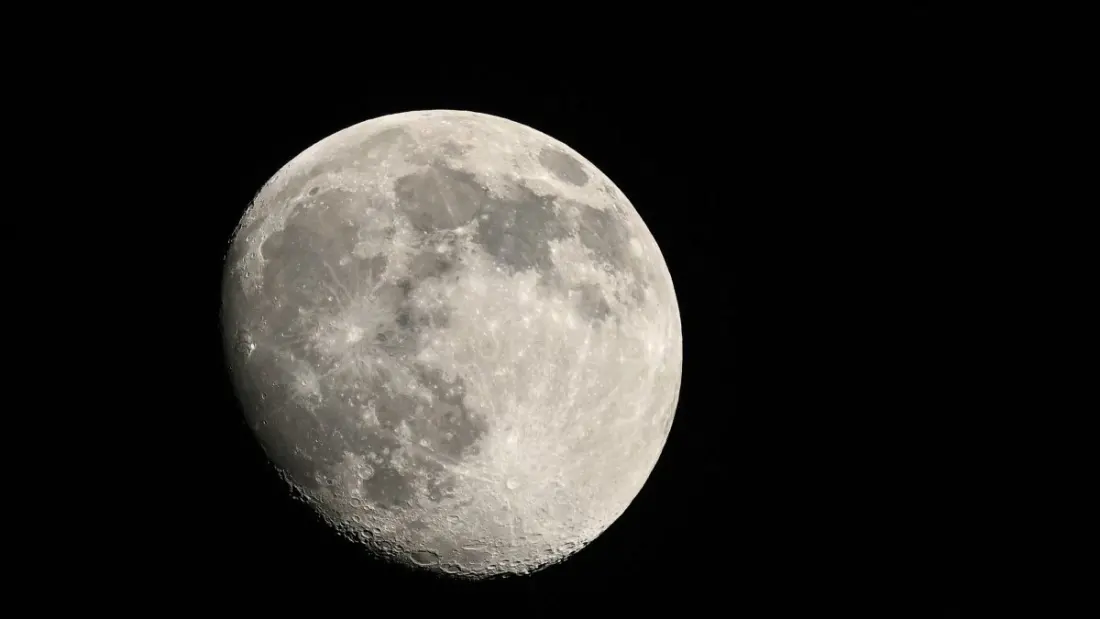
Potatoes could be about to earn a second home beyond Earth. Backed by NASA, researchers at Oregon State University have grown edible potatoes in simulated lunar soil, a step toward feeding astronauts stationed at future moon bases.
The study, published in npj Microgravity, used a variety called Modoc — an early-maturing red-skinned, white-fleshed potato. The catch is that lunar soil, properly called regolith, is basically crushed rock and dust: sharp, glass-like, and completely lacking organic matter or nitrogen. Left as-is, it's hopeless for crops. Planted in plain regolith, the potatoes produced almost no roots or tubers.
But add worm-powered compost and things change fast. The team mixed in vermicompost, made by earthworms breaking down organic waste. At just 5% compost to 95% regolith, plants produced some roots and tubers. At a 30% mix, yields matched potatoes grown in Earth soil from Hermiston, Oregon — a place famous for impressive spud harvests.
Why potatoes? Study lead Aymeric Goyer points out they pack more calories per area of land than many other crops, deliver more potassium than a banana, contain vitamin C and decent protein, and have a high satiety index. In other words, they fill you up — handy when you're 384,000 kilometres from the nearest supermarket.
The organic matter does double duty: regolith also carries heavy metals like copper, and without compost, potatoes absorb toxic levels of them. The compost binds the metals, keeping them out of the plants. The harvested spuds were small — under 10 grams, since the trial used tiny pots — but a follow-up study with bigger pots has already produced shop-sized potatoes. Lab analyses replaced taste tests for now, though Goyer says the versatile crop could eventually appear as microwaved potatoes, fries or even aloo tikki at a lunar base.
It's not a solo mission. Chickpeas have already been grown in compost-boosted regolith, and researchers are working on tomatoes, lettuce and alfalfa. With the United States and China both planning long-term bases on the moon, growing food locally is considered essential — shipping everything from Earth isn't practical.
There's a down-to-earth payoff too. Co-author David Handy notes that techniques developed for regolith farming could help grow food in places with poor soil that depend on shipped produce, from inner cities to desert communities, and might even help clean contaminated soils.
For travellers, this isn't a booking — yet. But it signals where space tourism is heading: as lunar bases shift from sci-fi to logistics planning, the food question gets answered one experiment at a time. Anyone dreaming of a future moon holiday is, indirectly, rooting for this research.
Daily Sabah Travel