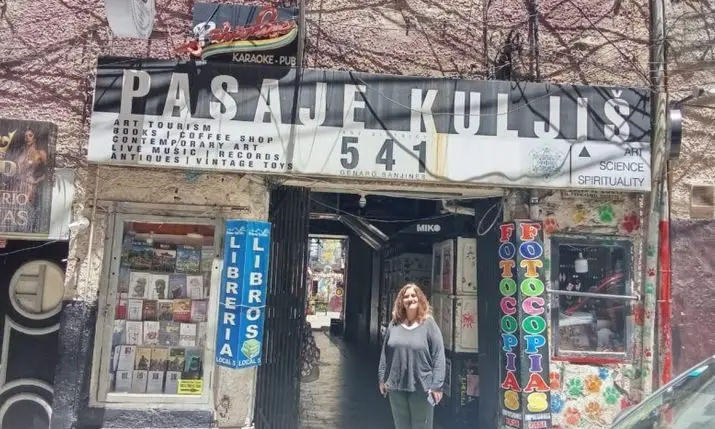
Tucked a short walk from La Paz's main square sits a piece of the Adriatic most visitors walk straight past. Pasaje Kuljiš, a covered shopping passage lined with bookshops, art dealers and cultural stores, was built around 1940 by Juraj Kuljiš, an emigrant from the Croatian island of Vis — and its stone floor was picked specifically because it reminded him of the old paving in Dalmatian towns.
Kuljiš left Vis in 1905, first landing in the Chilean port of Iquique where his brothers ran a hotel. After they died, he found work supervising construction of the Arica–La Paz railway, then spotted a business gap nobody else had: Bolivian breweries needed bottles, and Chile had plenty of discarded ones. He shipped bottles over, and on the return leg carried vegetables, eggs and other food Chile couldn't get enough of. Later he dealt in furs, exporting Bolivian hides and importing luxury coats from Europe.
Having settled in La Paz, married and started a family, he bought a former convent and turned it into a residential and commercial complex built around a central passage — naming it after himself, deliberately. He also never quite let go of the old country: between 1920 and 1930 he travelled back to Croatia repeatedly, funded the restoration of the family home and a local church on Vis, and paid for a family tomb that still stands.
His granddaughter, Patricia Avila Kuljiš, who grew up in a household with an Adriatic map on the wall and Croatian folk-costume photos in the hallway, now leads the Croatian Community of La Paz, founded in 2017. The group runs cooking sessions, exhibitions and film screenings out of members' homes, helps descendants claim Croatian citizenship through ancestry (a process Patricia discovered in 2007 and has guided relatives through ever since), and folds charity work into its calendar — a clothes-and-toys drive held in Pasaje Kuljiš let children from disadvantaged families shop for free, with leftovers handed out at the bus station to kids arriving from remote areas.
The next generation is already involved: Patricia's 26-year-old daughter Dalma, named after Dalmatia, represents Bolivia, Peru and Ecuador on the Croatian Government's Youth Council for Croats Abroad.
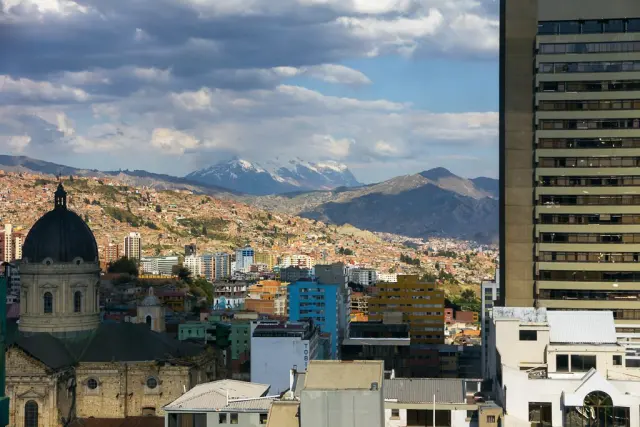
For travellers, this is a genuinely odd and charming waypoint. You come to La Paz for the cable cars, the altiplano, the chaos of the world's highest de facto capital — and then you find a passage floored with Comanche stone chosen to echo Split or Komiža, its walls carrying even a sticker from Dinamo Zagreb fans reading "To the ends of the world with you." It's a reminder that migration left Croatian fingerprints across South America, from Patagonia to the Andes, and that the best travel stories are often the ones nobody put in the guidebook. Seek it out, browse the secondhand books, and know you're standing in what one family calls "a little Croatia" that has been quietly living and breathing for 86 years.
Story via Croatia Week.