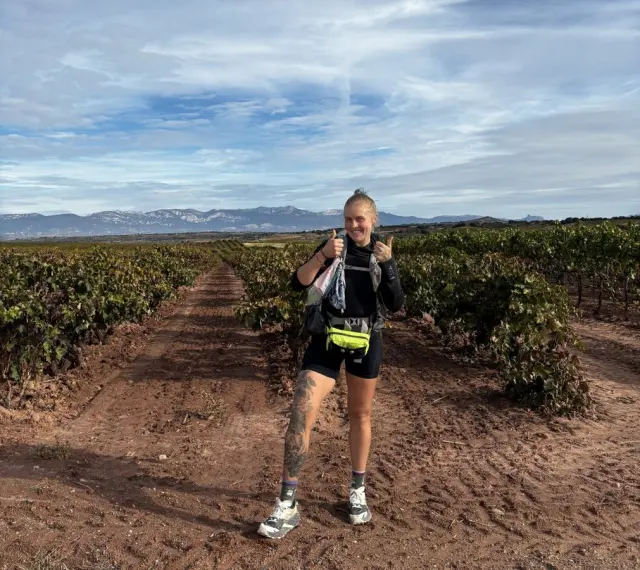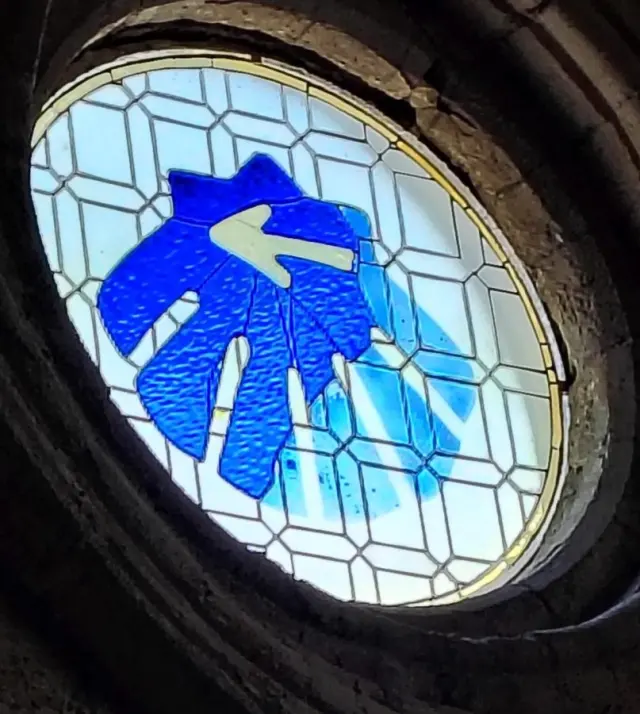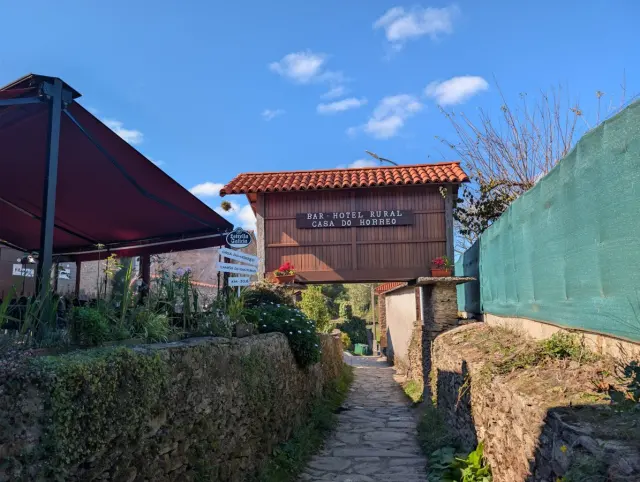
Day 13 of a Camino Primitivo pilgrimage starts the way many do: a rooster at 6:55am, a small hotel breakfast of a mini sandwich and a shared pastry, coffee and orange juice, and an apple pocketed for the trail ahead. But the walking that follows offers a useful snapshot of what the final stretch into Santiago de Compostela actually feels like right now.
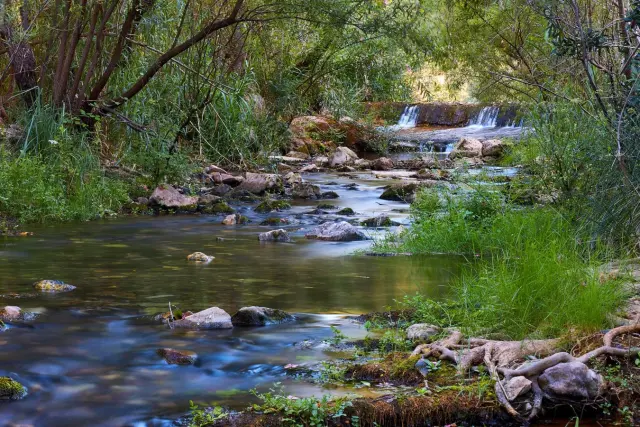
Most of the day unfolds on pretty, quiet forest roads — a welcome change from the crowds, which thin out nicely on the Primitivo compared with the famous Camino Frances. The route the writer describes runs through Galicia, in north-west Spain, and covers roughly 20 kilometres of walking. Around the 15km-to-go mark there's a cafe stop for a coke and a sandwich, with murals brightening the walls along the approach.
The day also captures a shift that hits many pilgrims in this final week. The Primitivo merges with the Camino Frances and the Camino del Norte near the end, and the foot traffic — and its side effects — ramps up fast. Stickers and graffiti multiply on road signs, bridges and even the stone waymarkers that guide walkers. Passing an albergue, the trail is lined with piles of empty bottles stacked high. At the hamlet of A Lavacolla, about 10km from Santiago, the path slips back into woods, where trees have been used as makeshift message boards.
One of those messages matters more than the rest. Signs on the trees warn that a private developer plans to build a large industrial park alongside the Camino de Santiago — a project pilgrims say would permanently change the character of the final kilometres into the city. For a route whose appeal is quiet, beauty and centuries of continuity, it's a genuine flashpoint, and one worth following if you're planning to walk into Santiago soon.
For travellers, this stage is a good reality check. The last 100km is the busiest part of any Camino, and the Primitivo — the original route from Oviedo — buys you solitude for most of the way before you join the crowd. If that trade-off doesn't appeal, timing matters: spring and autumn keep numbers down. The practical rhythm shown here is classic pilgrim life — simple hotel or albergue breakfasts, cafe stops for sandwiches, and long mornings of forest walking with Santiago's cathedral waiting at the end.
Anyone considering the Camino Primitivo should go for the quieter first two weeks and brace gently for the busier finale. And if you walk it, you'll see the signage for yourself — the graffiti, the bottles, and the protests against the industrial park — a reminder that even a thousand-year-old pilgrim path needs defending.