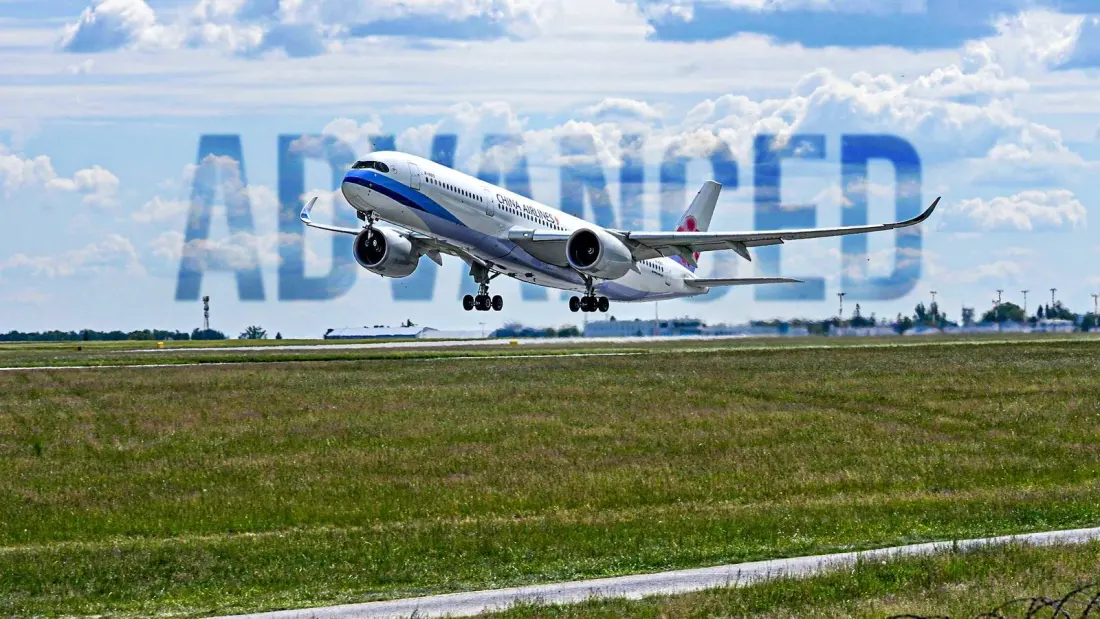
Lift the flush metal panel just behind the rudder pedals on an Airbus A350 and you'll find a ladder leading down into the main equipment bay. On older jets this space was a nightmare of tangled copper wiring and single-purpose black boxes. On the A350 it looks more like a tidy corporate data centre: clean aluminium racks holding rows of synchronised computers that run everything from the flight displays to the brake controls.
The shift comes down to a design philosophy called Integrated Modular Avionics. In traditional 'federated' setups, every aircraft function needed its own dedicated box, processor and wiring bundle — heavy, complex and awkward to troubleshoot. Working with Thales, Airbus replaced all that with standardised Core Processing Input/Output Modules (CPIOMs), shared hardware racks that host many functions as software. Where the A380 managed 23 integrated functions, the A350 runs more than 40, including cabin pressurisation, fire detection, emergency oxygen and wheel braking.
Connecting it all is a hardened aerospace version of Ethernet known as AFDX, moving safety-critical data at 100 megabits per second with guaranteed delivery and no collisions. To shave further weight, Airbus scattered Remote Data Concentrators around the fuselage. These digitise sensor signals locally and stream them back to the bay, eliminating miles of heavy point-to-point wiring.
The redundancy is genuinely clever. If a processing core fails mid-flight — a short, a thermal overload, a software exception — neighbouring modules take over its tasks within milliseconds, so pilots never have to reconfigure anything manually. The system also pays off on the ground: built-in diagnostics have cut 'No-Fault-Found' component removals, one of aviation's costlier maintenance headaches, by roughly half compared with earlier widebodies, according to Airbus.
Boeing took a similar route with the 787's Common Core System, built with General Electric and running over the same kind of 100 Mbps deterministic Ethernet. The difference is philosophy: the Dreamliner went 'more electric', ditching pneumatic bleed air entirely and routing big electrical loads through its central system, which caused some early teething troubles. Airbus kept proven bleed-air systems for cabin climate and wing anti-ice while still maximising computing power — an evolutionary compromise that has aged well.
For travellers, none of this is visible from seat 32A, but it matters. The A350's digital backbone is a big part of why it can fly 16-plus-hour routes with such reliability, and why airlines increasingly use it on their longest services. Next time you board one, you can quietly appreciate that the aircraft's real brain is a server farm sitting just below your feet.