Turkey is open for business as usual, and the UK Foreign Office has made no move to warn Britons off booking holidays there, even as conflict rumbles across the wider Middle East. The Foreign, Commonwealth & Development Office (FCDO) continues to consider Turkey a generally safe destination, though it does flag the regional situation as "unpredictable" with a risk of sudden escalation at short notice.
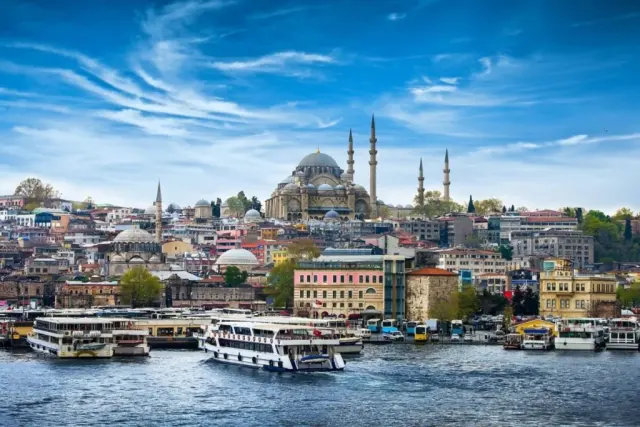
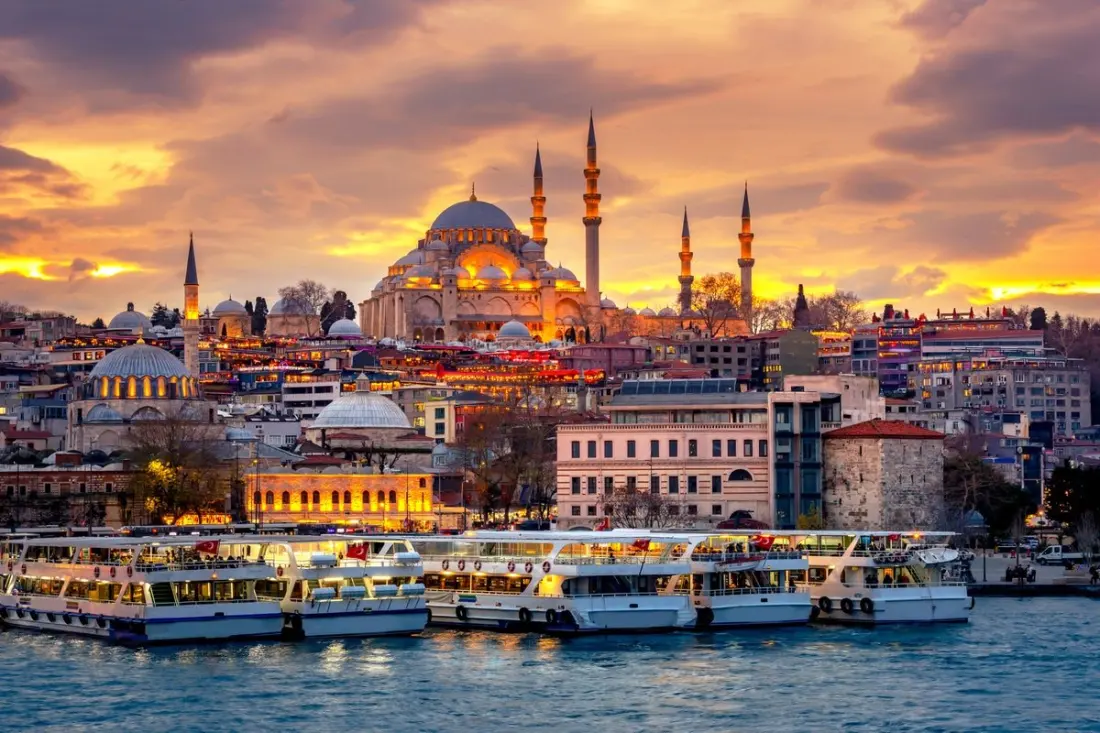
The one hard restriction predates the current tensions: don't travel within 10km of Turkey's border with Syria, where fighting and a heightened terrorism risk persist. Turkey's main tourist hotspots – Istanbul, Antalya and Bodrum – sit a long way from that border, and from Iran's too, which is part of why holidays have continued operating normally.
The FCDO does ask British visitors to stay alert rather than alarmed. Its regional guidance suggests monitoring local news, following instructions from local authorities, keeping travel documents current, avoiding areas near military or security facilities, and signing up for the FCDO's email travel alerts. Since the war involving Iran, the US and Israel began in early 2026, Iran has said it intends to target locations linked to the US and Israel across the region, and there have been strikes and reprisals against both civilian and military infrastructure.
Anyone tempted to cross into Turkey by road from Iran should know the border is open and visa-free for UK passport holders (stays up to 90 days), but you must contact the FCDO and request facilitation from the British Embassy in Ankara before heading to the crossing. Entering Iran itself is at your own risk – the FCDO warns that holding a British passport can be reason enough for Iranian authorities to detain someone.
There are also some home-grown legal quirks worth knowing. It's a criminal offence in Turkey to insult the Turkish nation or flag, the President, or Atatürk – and that applies to old social media posts made anywhere in the world. Penalties run from six months to three years in prison, and defacing Turkish banknotes is also illegal. Same-sex activity is legal, but much of the country is socially conservative; authorities detained dozens of LGBTQ+ individuals in a September crackdown, and a Virgin Voyages cruise carrying LGBTQ+ passengers was refused docking in July.
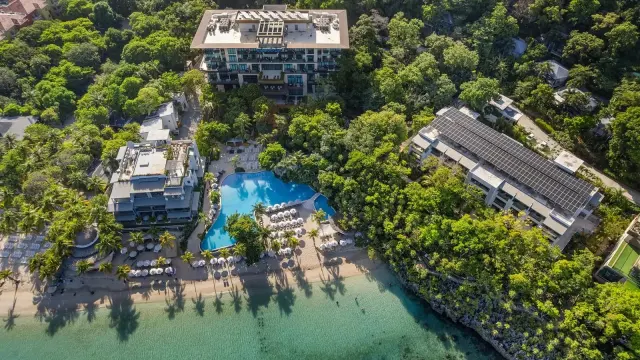
Practically speaking, the biggest question for nervous holidaymakers is money: because the FCDO hasn't advised against travel, there's no automatic right to cancel for a refund. Your booking terms are set by your holiday provider, and travel insurance won't cover safety-related cancellations unless government advice changes. In short, trips to Turkey's resorts are going ahead – if you want out, it's a conversation with your operator, not a claim.