Most of us come home from a big trip with hundreds of photos and then never look at them again. They sit in a phone album, unopened, slowly buried under newer images. The case for printing the best of them into a proper photo book is simple: it's the one format that survives forgotten passwords, dead hard drives and the endless scroll — and it actually gets looked at.
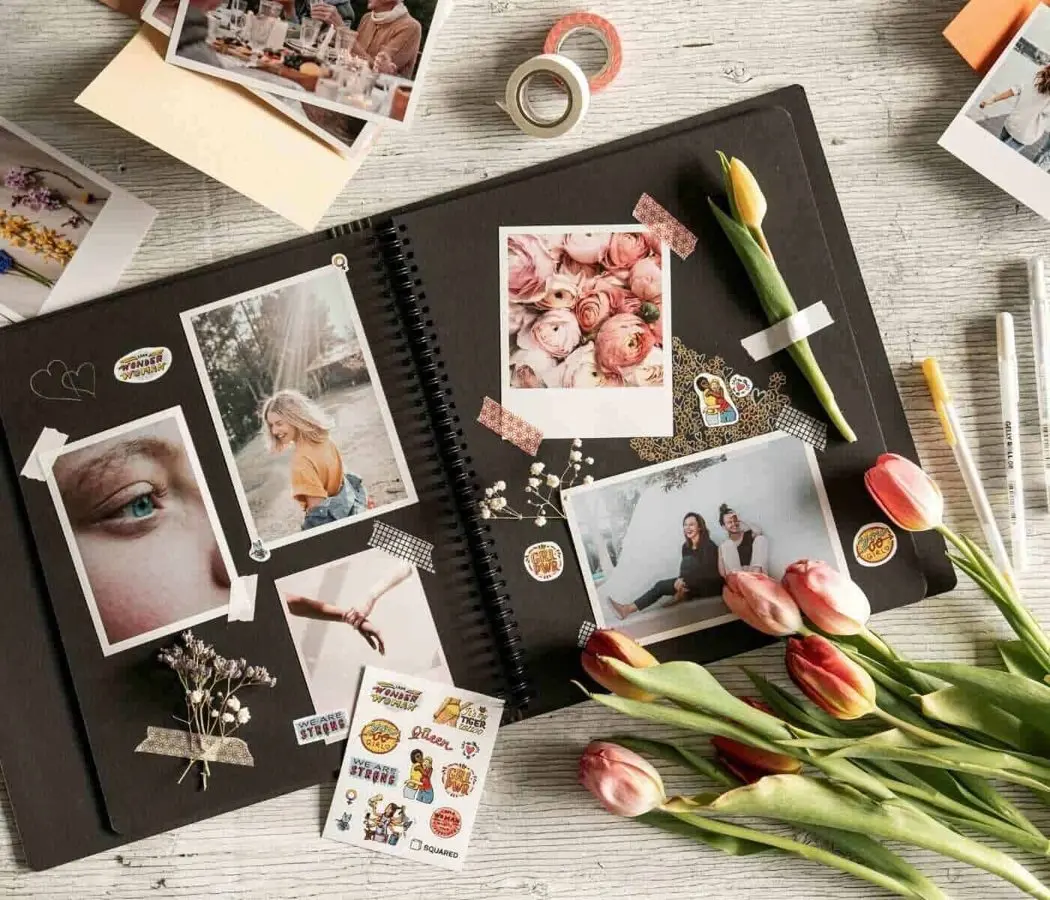
A well-made photo book is different from a digital gallery in a few practical ways. It lives on a coffee table, so friends and family can flip through it without a screen or a login. It's durable, especially compared with files that get corrupted or locked in an old cloud account. And it invites a different kind of engagement: pages, captions and layout turn a random pile of images into a story about a place and a trip, rather than just a grid of thumbnails. Services like Photobox have made the design side easy, with templates and printing options that don't require any design skill.
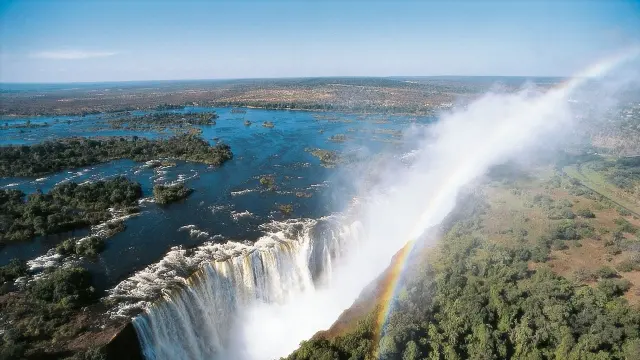
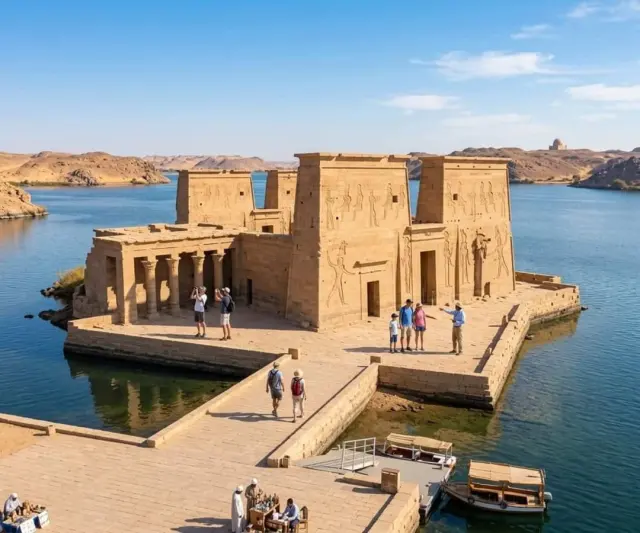
The craft is mostly in the selection. The common mistake is cramming in everything; the better approach is ruthless curation. Start with the trip's defining moments — the landmarks, the standout meal, the hike, the view — and make sure each destination gets at least one wide landscape shot to set the scene. Then balance those anchor images with variety: close-up details, action shots, group photos. Near-identical frames are the fastest way to make a book feel repetitive, and low-resolution images will show their flaws the moment they're printed.
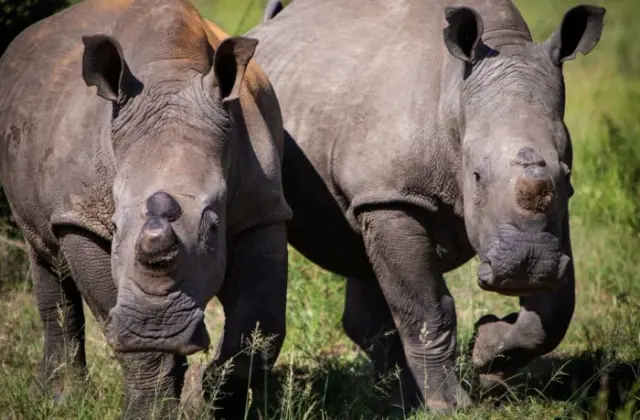
The images people tend to treasure most, though, are the candid ones. A perfectly posed photo documents that you were there; a shot of someone laughing at a market or watching the sunset captures how the trip actually felt. Mixing in the people you travelled with — or the quiet solo moments — gives the book its emotional weight. It becomes the story of an experience, not just an itinerary.
A few practical notes for keeping the finished product in good shape: store it somewhere dry and out of direct sunlight, since heat and UV fade both colour and paper over time; handle it with clean hands; and keep a digital backup of the design file in case you ever want to reprint or replace it. None of this is complicated, but it's the difference between a keepsake that lasts decades and one that looks tired in a few years.
Who is this for? Anyone who has come back from a trip vowing to "do something with the photos" and then didn't. It works just as well for a two-week honeymoon as for a weekend away with friends, and it makes a genuinely personal gift. The effort is front-loaded — an hour of honest photo editing usually produces a better book than a month of fiddling with layouts. For travellers who want their memories to outlast their phone's camera roll, a printed book is still hard to beat.