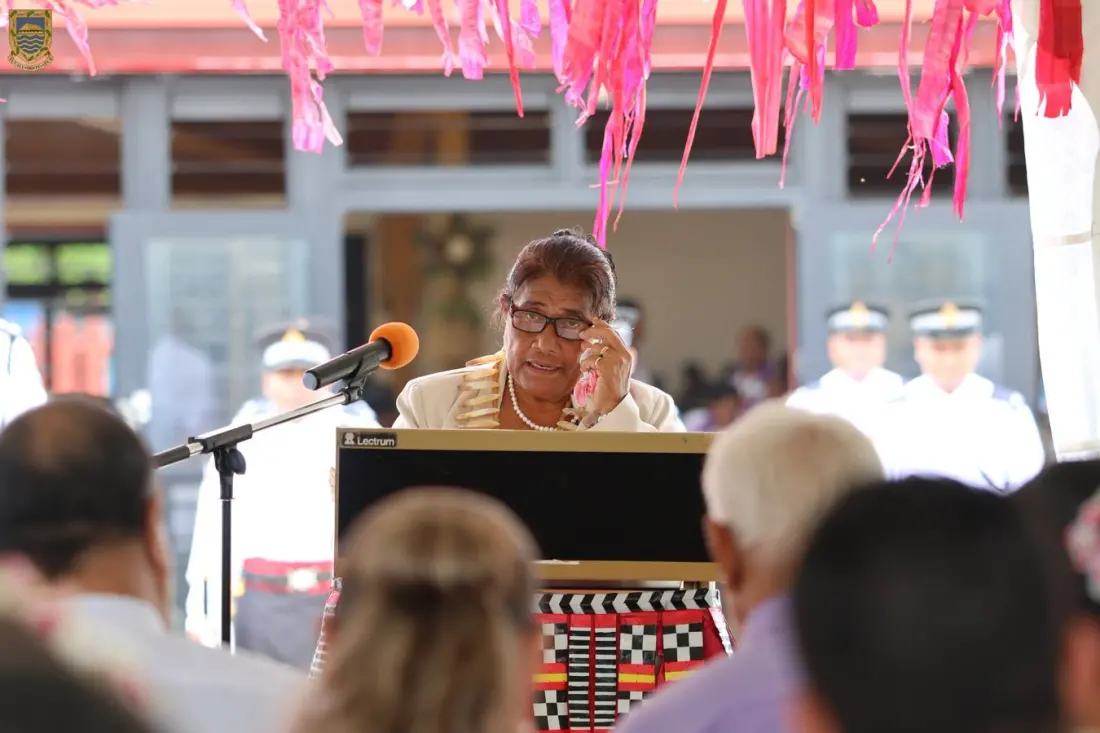
Tiny Tuvalu, one of the world's smallest and most remote nations, has just made history. Temukisa Auina Penehuro Hauma has been inaugurated as Governor-General — the first woman ever to hold the country's highest constitutional office. The timing could hardly have been better: the ceremony took place just ahead of Tuvalu's 48th Independence Anniversary, folding a landmark political moment into a weekend of national celebration.
The appointment followed the constitutional formalities, with Hauma taking the Oath of Office and Oath of Allegiance before Acting Chief Justice Sir John Muria. Prime Minister Feleti Penitala Teo was quick to mark the occasion, calling it a historic moment for the country as she became the first woman in the role.
Hauma brings an impressive résumé to the job. At 71, with family roots on the islands of Vaitupu and Nanumaga, she has spent more than three decades in education, including twelve years as a headmistress. Her academic credentials include a Bachelor of Education from the University of the South Pacific and an MBA, and she has led the Tuvalu National Council of Women as its president. In short, the country's new representative of the head of state is a veteran educator and a long-standing advocate for women.
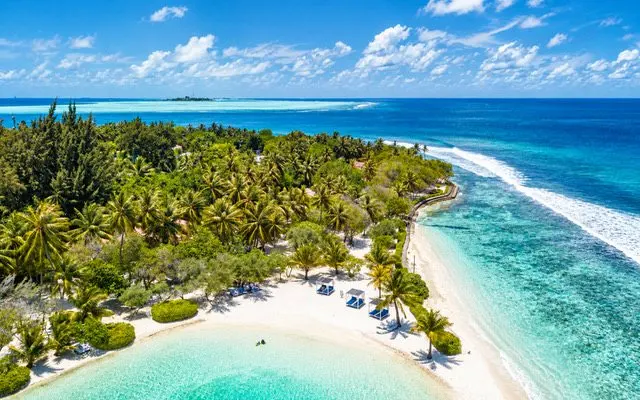
For anyone following the Pacific, the news lands in a country that rarely makes headlines but rewards the effort it takes to reach. Tuvalu sits roughly halfway between Hawaii and Australia, with fewer than 12,000 residents spread across nine low-lying atolls, and Funafuti as the main hub. Flights are infrequent — Fiji Airways links Funafuti with Suva a couple of times a week — which is precisely why the travellers who make it describe the lagoon, the pace of life and the warmth of local communities as unlike anywhere else in the region.
Why should a traveller care? Partly because a first like this says something about where the nation is heading: a small Pacific democracy quietly setting precedents for women in leadership while celebrating nearly five decades of independence. And partly because momentous-feeling dates like an anniversary of independence are a genuinely good excuse to plan a trip around — village celebrations, church services and community gatherings tend to be open, welcoming affairs in a place this size. If Tuvalu has been sitting on your long-list of hard-to-reach islands, a country in celebratory mood is a fine time to go.
The appointment doesn't change how you visit, of course. Permits and logistics are still required for outer-island travel, and the dry season from around May to October remains the comfortable window. But for a destination that most of the world will never see, moments like this are a reminder that Tuvalu is a living, changing nation — not just a dotted line on a climate-change map.
Story via Islands Business.