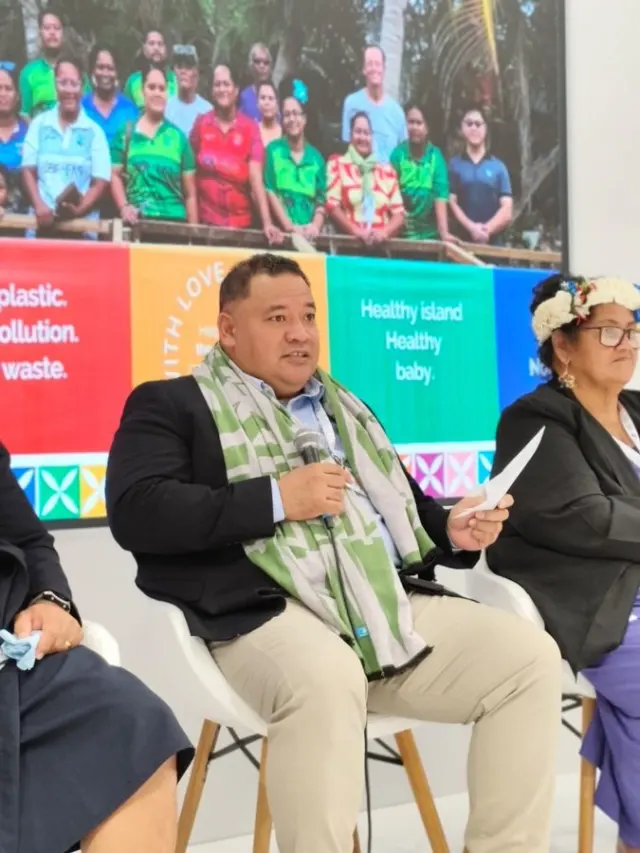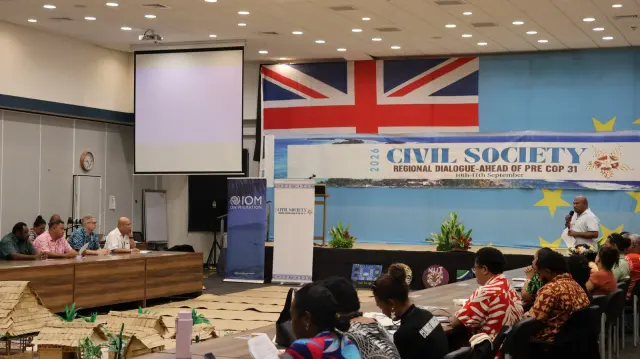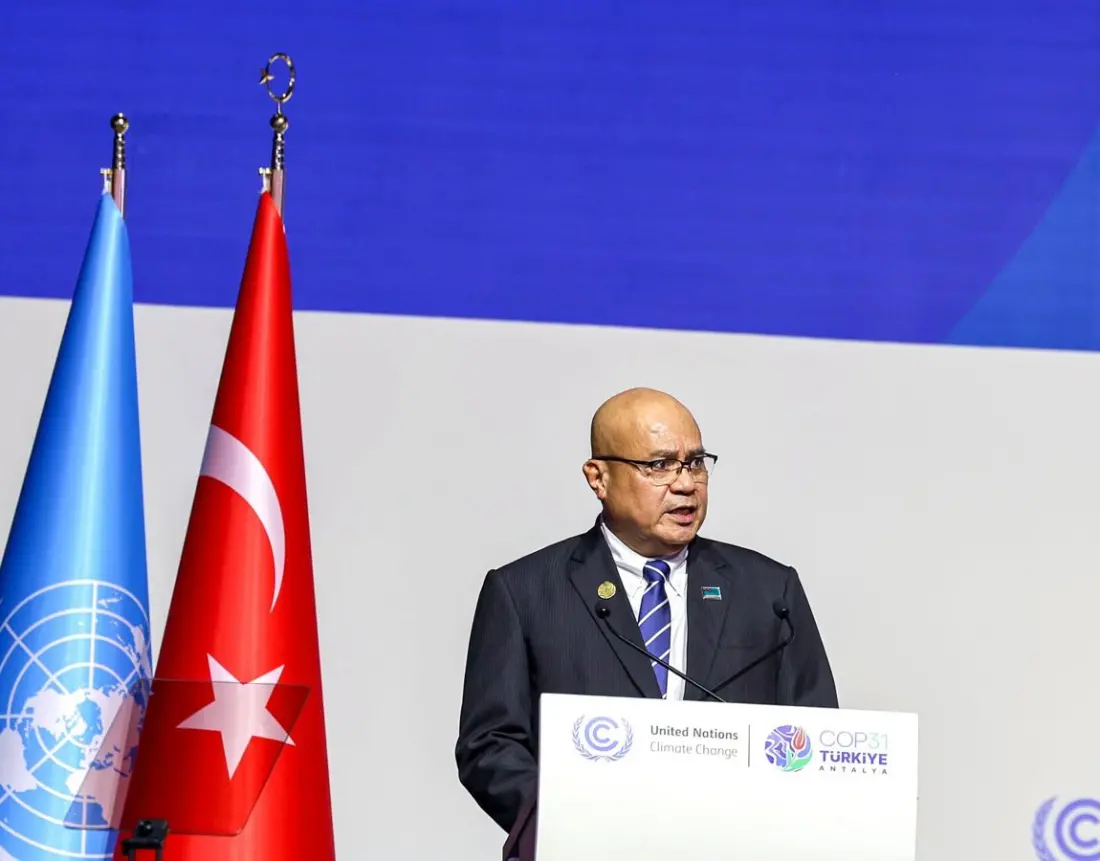
Tuvalu's Prime Minister Feleti Teo has delivered a blunt message at COP31 in Türkiye: the tiny Pacific nation has no plans to abandon its homeland, even as rising seas reshape daily life there. Speaking at a climate displacement side event, he said the priority is protecting people, identity and future — on Tuvaluan soil.
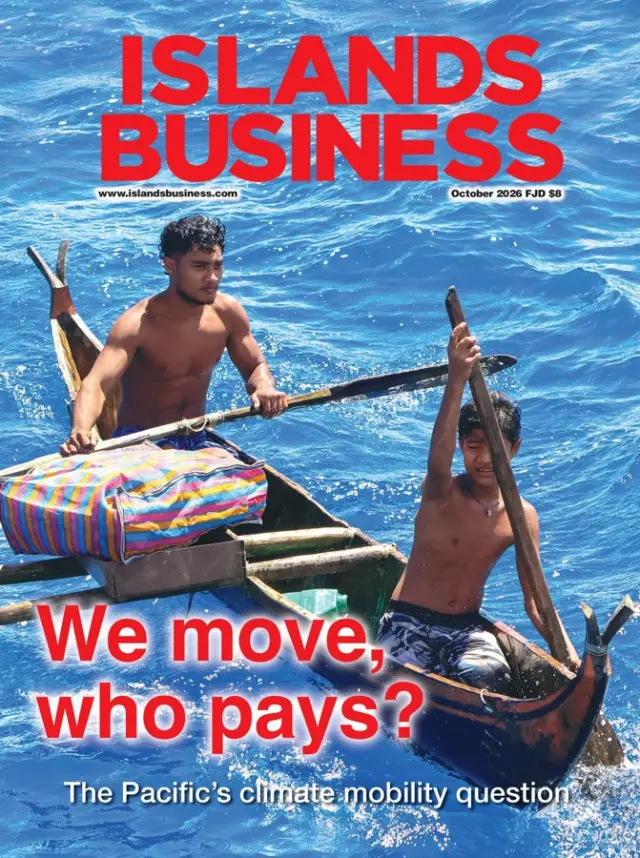
The reality on the ground is already serious. Coastal erosion, saltwater creeping into farmland and freshwater supplies, and increasingly violent weather are hitting homes and livelihoods across the country's low-lying atolls. But Teo argued that 'home' for Tuvaluans isn't just geography — it's ancestors, language, culture and sovereignty, which is why wholesale relocation is off the table.
Instead, the government is betting on adaptation. Coastal protection works, land reclamation and community resilience programmes are the first line of defence, aimed at securing people's right to stay on ancestral land. Where movement does become unavoidable, Tuvalu wants it handled with dignity and choice — and it's drafting a National Plan on Climate Change Displacement and Human Mobility to safeguard family unity, education, healthcare, employment and basic rights for anyone affected. Teo also insisted communities themselves, including women, young people, older people and those with disabilities, must drive the decisions.
At a second COP31 event hosted at the Australian Pavilion, Teo turned to energy. Tuvalu is working to cut its reliance on imported fossil fuels through an Energy Transition Masterplan backed by the Australian Government, and he pushed for Pacific climate pledges to become actual investment and infrastructure. His line for outside partners: 'The Pacific does not need solutions designed for us without us.'
Why should travellers care? Tuvalu is one of the world's least-visited and most fragile countries — a genuine Polynesian culture of lagoons, churches and tight-knit island communities that climate change could fundamentally alter within decades. Its stance shapes not just international diplomacy but whether future visitors will experience these atolls at all, and on what terms. Tourism here is minimal by design, and any growth will hinge on exactly the resilience and infrastructure projects Teo described. If the Pacific ever tops your list, Tuvalu is the case study in what's at stake.