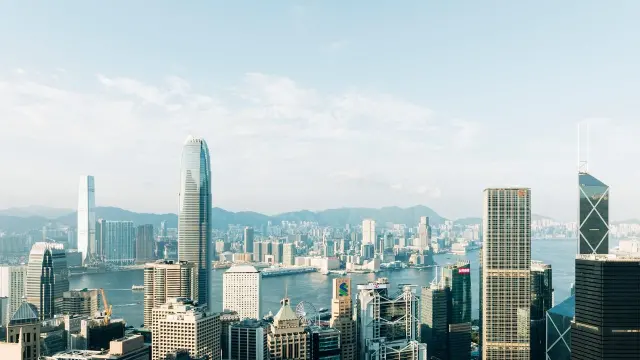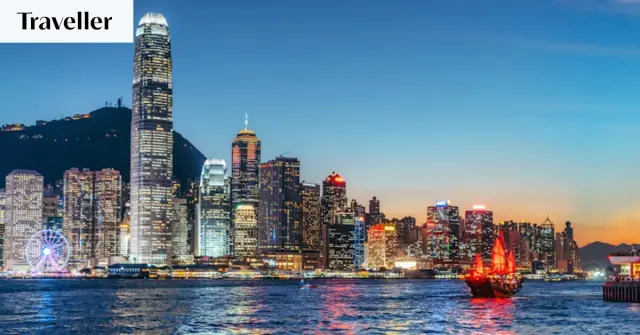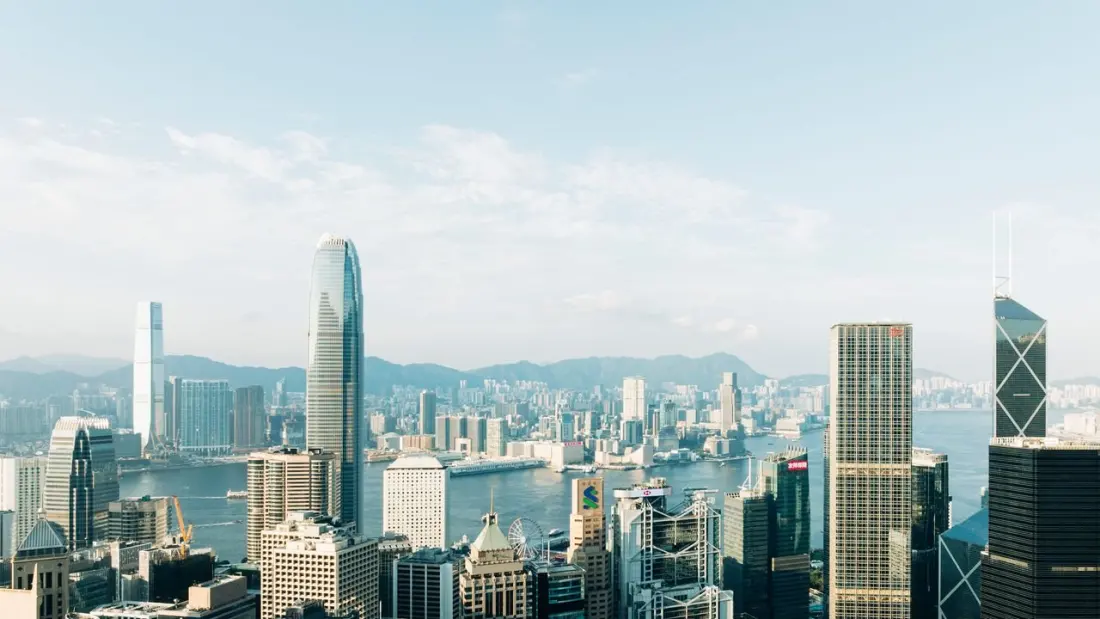
Hong Kong packs seven million people, 9,000-plus high-rises and 18 distinct districts into 430 square miles, so a little local know-how goes a long way. A new guide from Condé Nast Traveler lays out the etiquette and hacks that separate smooth trips from stressful ones — and flags the one week you really shouldn't visit.
Start with transport. The contactless Octopus card (a free app, or a physical card with a HK$50 deposit refunded on return) works on the MTR, the Peak Tram, ferries to islands like Lamma and Cheung Chau, and at more than 30,000 shops and restaurants. The MTR is the backbone, but the buses deliver the views: the #6 double-decker from Central to Stanley hugs the island's southern coast (sit upstairs, right side), while the #94 runs from Sai Kung through the UNESCO Global Geopark to Wong Shek Pier for a wooden kaito ferry. On board, keep right on escalators, let people off first, and don't eat or drink on any public transport.
Food is the city's real engine. Dim sum runs from morning to early afternoon — arrive before noon or after 2pm to dodge queues, and try Michelin-starred bargain Tim Ho Wan or the 90-year-old Luk Yu Teahouse. Menus are order forms: pencil in quantities, wave the form, pay the cashier on the way out. Tap the table with two fingers for a tea refill. For a rowdier meal, hit a Cooked Food Center — every district has one, with communal tables, plastic stools and brusque, flavour-packed Cantonese cooking. Kowloon City and Java Street are the tourist-friendly picks. One linguistic note: this is Cantonese territory, so skip the Mandarin "ni hao" — "nei ho" (hello) and "mmm goi" (thanks/excuse me) will serve you far better.
Rainy day? The Hong Kong Palace Museum (HK$70) borrows treasures from Beijing, and M+ (HK$190) covers contemporary Asian art — plus dozens of small museums, like the tea-dedicated Flagstaff House, are free on Wednesdays. Beyond the skyline, more than 70% of the territory is protected green space, with flamingo-dotted Kowloon Park and hundreds of miles of hiking trails (the free Hiking Trail HK app helps). And because Hong Kong ranks among the world's safest cities, wandering Sham Shui Po's fabric markets, Wan Chai's temples or the walled village of Lai Chi Wo is refreshingly low-stress. Cap the day with a one-hour foot massage — around $30, open till midnight.
The timing warning: Golden Week in early October is the city's busiest stretch, swamped by mainland tour groups. Chinese New Year, by contrast, empties the streets. Time it right and this compact, efficient city — where bars hide on rooftops and hotels occupy office floors — rewards you well beyond a weekend.