
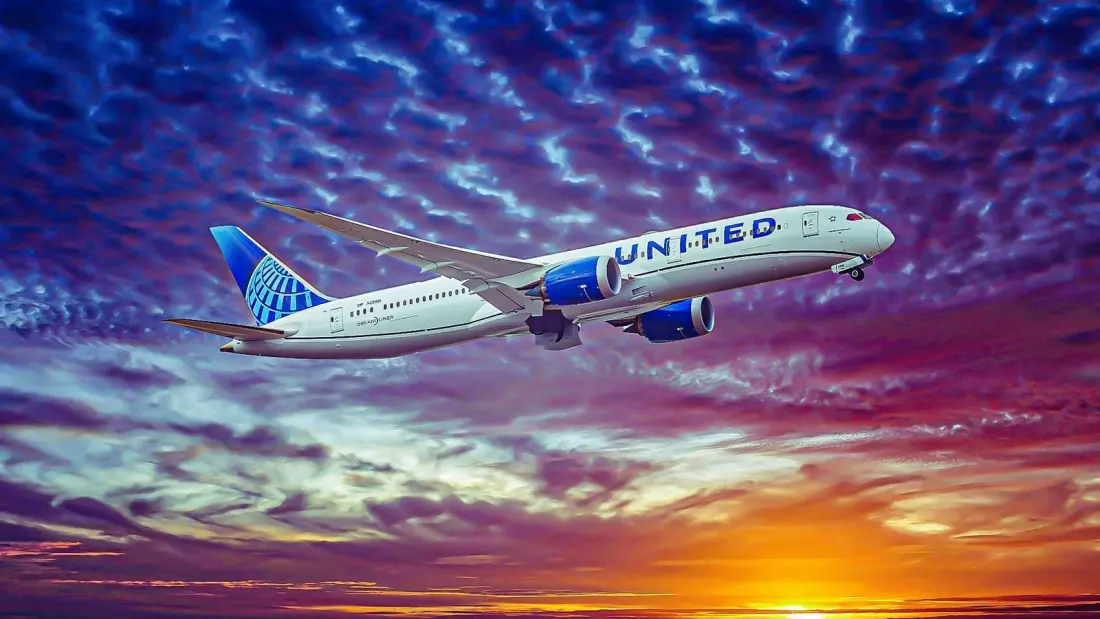
From October 24, United Airlines is back flying nonstop between Chicago O'Hare and Tokyo Narita, a daily service it dropped in March 2020 when it shifted its Tokyo focus to the closer-in Haneda airport. The route covers 6,294 miles, is flown on a Boeing 787-8, and is block-timed at up to 14 hours heading west in mid-winter. Flight UA867 leaves Chicago at 10:40 AM and arrives at Narita at 3:15 PM the next day; the return, UA868, departs at 6:00 PM and lands back in Chicago at 2:50 PM the same day.
Why Narita when United already flies to Haneda from O'Hare? Connections, mostly. United says the flight links into 21 onward destinations across Asia-Pacific through its own network and joint-venture partner ANA — it has built out Narita flights to places like Cebu, Kaohsiung, Palau and Ulaanbaatar in recent years. The rule of thumb: if Tokyo is your destination, Haneda is the more convenient airport; if Asia beyond Japan is the goal, Narita is increasingly the transfer point.
Japan has become a big bet for United. It says it carried over 1.8 million passengers between the continental US and Japan in 2025 — more than every other US airline combined — and plans up to 13 daily departures to four Japanese airports this winter, including the first-ever nonstop from the continental US to Sapporo.
Chicago gets unusually busy to Tokyo in the coming months. United's return lifts the city to six daily Tokyo flights this winter (split between Narita and Haneda), and on March 19, 2027, American Airlines launches its own daily Narita service on a 787-9, briefly pushing Chicago to a record seven daily Tokyo departures across the two airports. American's move also sharpens the rivalry with United at their shared O'Hare hub.
The scale only makes sense because O'Hare is a connecting machine: United will run around 633 daily departures from Chicago between October and February, serving 202 destinations, and can feed the Narita flight from across North America. Chicago-Tokyo itself drew only about 125,000 round-trip local passengers in 2025, so most seats are sold to people connecting at either end.
For travellers, the practical upshot is more choice and often better fares on one of America's longest routes. If you're starting or ending a trip in the US Midwest, you'll soon have four airlines (United, ANA, Japan Airlines and American) competing between O'Hare and Tokyo at peak times — and a single ticket can carry you from Chicago through Narita to a long list of secondary Asian cities without a separate booking.