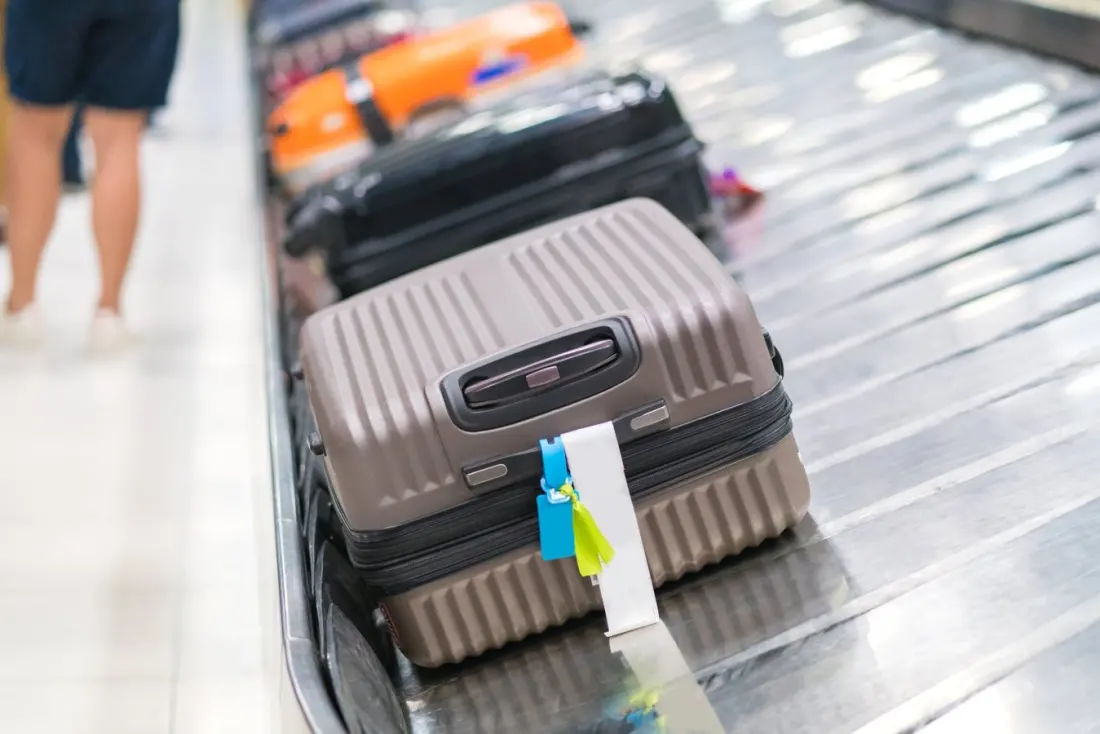
Checked a bag on a US flight lately? It probably cost more than it did last year. Most major American carriers now charge $45 to $50 each way for a first checked bag on standard economy fares, with second bags running $55 to $60 and third bags jumping to $150 or $200. Several airlines raised fees in 2026, partly driven by higher fuel costs.
The numbers vary more than you might expect. Delta and Alaska start at $45, while American and United charge $50. JetBlue has gone a step further and introduced peak and off-peak pricing — its first bag fee ranges from $60 to $70 depending on when you fly and when you pay. Southwest, which long offered free checked bags, now charges $45 for the first and $55 for the second, though its top-tier Choice Extra fare still includes two free bags.
Frontier is the worst offender. First bags cost around $79 (and that figure shifts with demand and purchase timing), second bags about $89, and the airline caps standard checked luggage at 40 pounds — 10 pounds lighter than the 50-pound limit at most other carriers. Its website does at least offer a baggage calculator so you can price the damage before you book.
Carry-on rules are mostly forgiving. Alaska, American, Delta, JetBlue and Southwest all allow one personal item plus one carry-on in standard economy. Frontier allows only a personal item unless you pay more, and United is the only big carrier whose basic economy fares exclude a free carry-on on domestic flights — with an extra gate-handling fee tacked on if you try to bring a full-size bag anyway.
A few ways to cut the cost: pay online before you fly. American and United knock $5 off per bag, and JetBlue's online discount can reach $15. Weigh and measure your suitcase at home, since overweight (over 50 pounds on most airlines) and oversized bags trigger steep surcharges, and specialty gear like skis or dive equipment usually costs extra.
The most reliable workaround is a cobranded airline credit card. Most waive the first checked-bag fee on domestic itineraries, and many extend the perk to travel companions on the same reservation — up to eight people in some cases, with some cards costing under $100 a year. The fine print differs: some cards require you to buy the ticket with the card to get the benefit, while others just need your loyalty number on the booking.
If you're not loyal to one airline, general travel cards can help too — premium cards like Chase Sapphire Reserve include annual travel credits that cover bag fees on any carrier.
For holidaymakers, the takeaway is simple: budget for baggage before you book, especially on low-cost carriers where fees swing wildly, and compare the true total cost of a fare including bags rather than the headline price. A family of four checking two bags each way could easily face $180 to $400 in fees on a round trip — enough to change which airline wins the comparison.