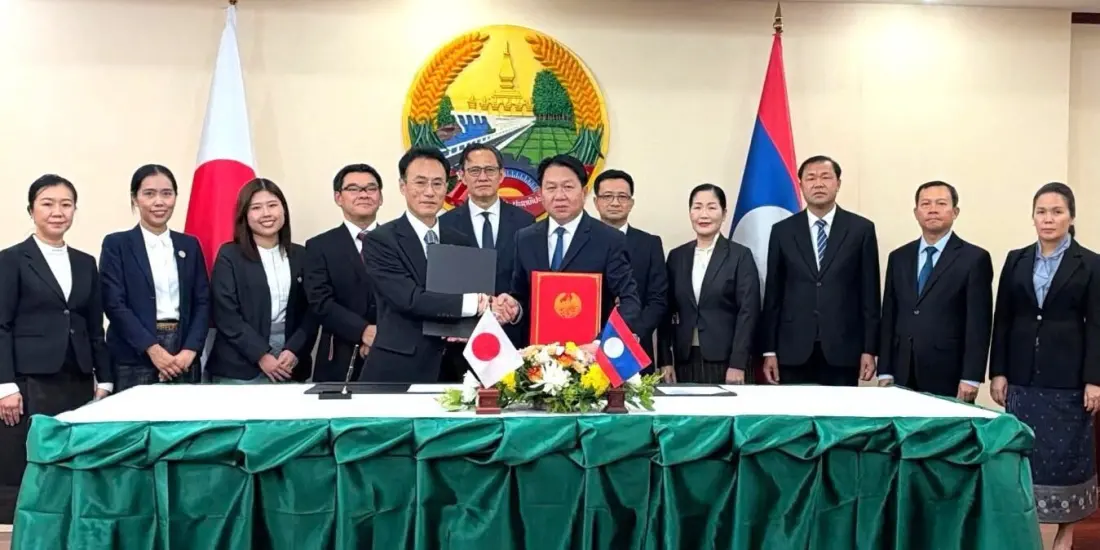
Vientiane, a low-rise capital that has recently started stacking itself skyward, is getting a long-overdue safety upgrade courtesy of Japanese grant aid. On 19 November, Japanese Ambassador Koizumi Tsutomu and Laos' Deputy Foreign Minister Anouparb Vongnorkeo signed an Exchange of Notes covering two projects worth roughly USD 3.6 million — and both touch on things visitors to the city rarely think about until something goes wrong: fire response and tap water quality.
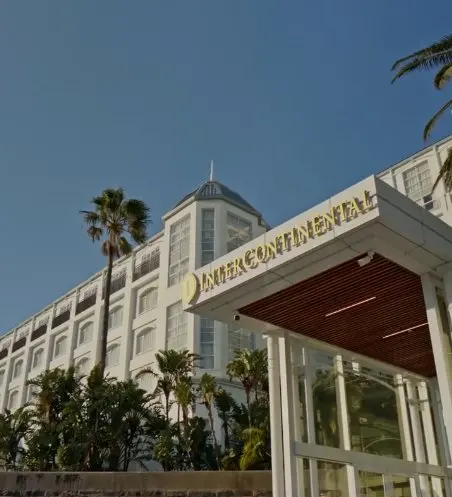
The bigger chunk, about USD 2.1 million, goes to Vientiane's fire services, buying ladder trucks and water tankers. The Japanese Embassy points out a striking gap: the whole capital is served by just seven fire stations, many running on outdated kit, and the lack of ladder trucks has left crews struggling to reach upper floors as high-rise buildings multiply. Anyone booking a hotel above the fifth storey in Vientiane has, quietly, been relying on that ageing fleet.
The remaining USD 1.5 million pays for digital water quality monitoring at the capital's water treatment plants, run by the Ministry of Public Works and Transport. Until now, testing has been manual and done just once a day — a stretch, given aging pipes, plants operating beyond capacity, and muddy raw water in the rainy season. Continuous 24-hour monitoring should let operators fine-tune chemical dosing and keep the supply safer, which matters if you're brushing your teeth anywhere in Vientiane.
Japan isn't stopping at the capital. In Salavan Province in the south, a separate grassroots grant of USD 108,610 will extend piped water from an existing treatment plant to three villages in Lakhonepheng District, where households have so far made do with deep wells and rainwater collection.
There's an agricultural thread too, with a beer connection. On 21 October, the Japan Water Agency and Laos' Department of Irrigation agreed to expand trials of Alternate Wetting and Drying — a rice-growing method that periodically drains paddy fields instead of keeping them flooded, cutting water use and methane emissions. After initial single-plot trials at Tha Ngon near Vientiane, the technique moves to plot-to-plot irrigation fields worked by contract growers supplying Lao Brewery Co., Ltd., with technical help from Japanese firms Showa Concrete Industry and Ryobi Lao. In theory, the paddy behind your Bottle Beer Laotian could get more climate-friendly.
Why should a traveller care? Not because grant signings are thrilling, but because these are the unglamorous systems that decide whether a fast-growing Southeast Asian capital feels safe and comfortable. Vientiane has changed fast — more hotels, more towers, more visitors — while basic emergency and utility infrastructure lagged. Japan is Laos' biggest bilateral donor, and this kind of support tends to land in exactly the gap between a city's tourism ambitions and its public services. For now, the practical advice stands: drink bottled or filtered water, note that fire safety standards in older buildings can vary, and don't be surprised if the skyline looks taller each time you return. The equipment orders are the first step; delivery and installation will take time. Reported by Laotian Times.