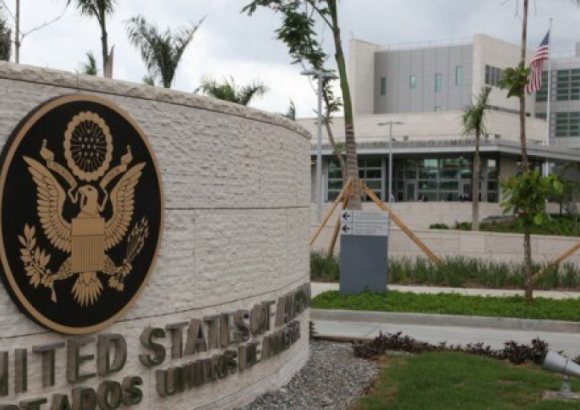
The U.S. Embassy in Santo Domingo has issued a security alert telling American visitors to the Dominican Republic to stay alert after a string of reports involving travellers being drugged, then robbed or sexually assaulted.
The notice, dated October 30, 2026, says the embassy receives regular reports from visitors — U.S. citizens among them — who have fallen victim to these crimes, and in some cases more than one in a single incident. The pattern is a familiar one for travel safety advisers: victims are targeted through dating apps or approached in bars and nightclubs, then incapacitated. Attacks have also been reported at short-term rental properties, hotels and motels and in the areas around them.
This isn't a new advisory level. The U.S. State Department already advises Americans to exercise increased caution in the Dominican Republic because of crime, and its country guidance specifically flags robberies involving people met on dating apps, along with sexual assaults, some involving drugging. Friday's alert essentially reinforces that message: watch your surroundings, be careful meeting strangers, and take active steps to protect yourself.
What does that mean in practice? Keep an eye on your drink at all times and don't accept drinks from people you've just met. If you're meeting someone from a dating app, do it in a busy public place and tell a friend where you're going. Be thoughtful about where you stay — vetted hotels with good security may be a safer bet than unfamiliar rentals booked on short notice. And use the same street smarts you'd apply in any big city: avoid flashing valuables, use licensed transport, and don't wander alone late at night in unfamiliar areas.
None of this means the Dominican Republic is off the table. Millions of people visit every year, and most trips pass without a hitch, especially in the big resort zones of Punta Cana, Puerto Plata and La Romana. But a lot of the incidents described here happen away from guarded resorts — on nights out, in private rentals, through apps — exactly the situations where travellers tend to let their guard down.
If you have a trip booked, it's worth registering with your embassy's enrolment programme, saving the local emergency number (911 works across the country), and knowing where your nearest consulate or embassy is. Travellers of other nationalities should check their own foreign office guidance too, since UK, Canadian and EU advisories carry similar crime warnings for the country.
The alert is a reminder rather than a ban: the Dominican Republic remains open and welcoming, but personal safety there currently requires more attention than the average beach break.