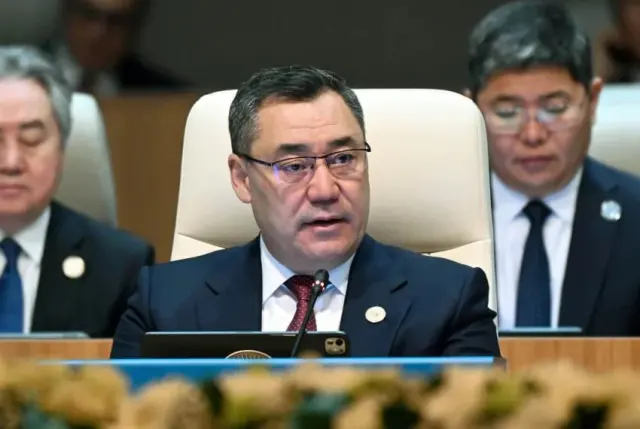
Kyrgyzstan is gearing up for one of its bigger education logistics exercises. Deputy Prime Minister Ulan Mamatkanov has told officials to hurry up with a state program for publishing school textbooks and teaching materials covering 2027 to 2030 — a plan expected to put around 38 million copies into circulation.
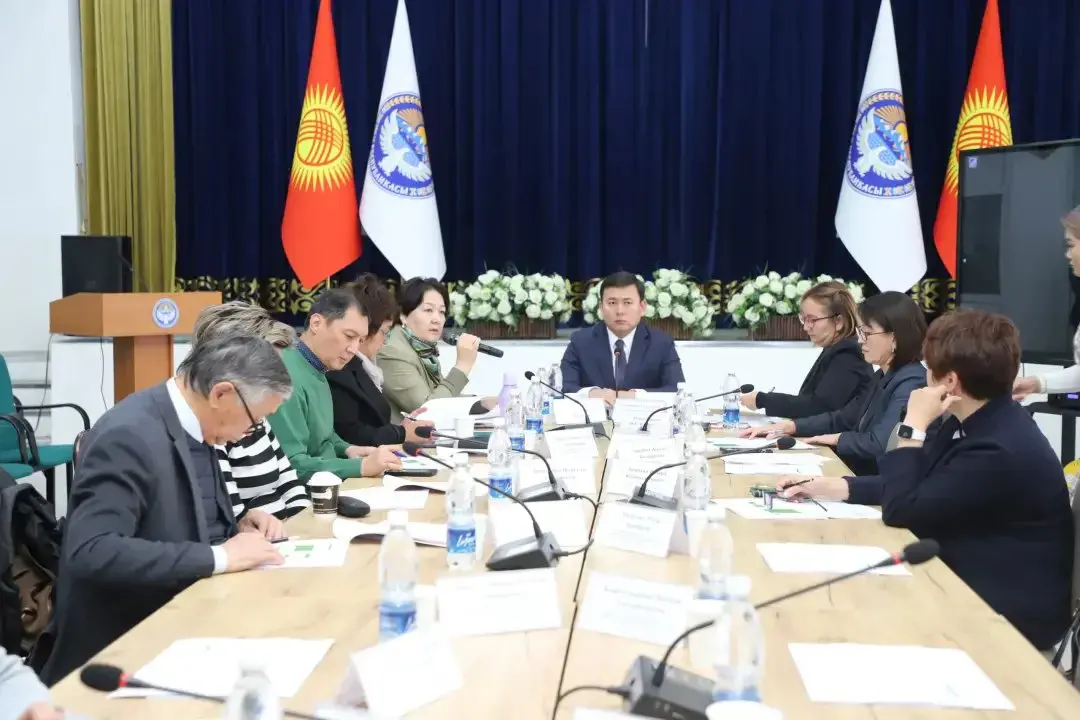
The instruction came out of an off-site cabinet meeting where a draft action plan was reviewed, along with thornier questions: how to raise textbook quality and how to fix the system that evaluates educational materials in the first place.
One concrete step already on the table is an automated information system called Expert, designed to pull outside specialists into the textbook review process. Mamatkanov wants expert groups formed and greater accountability for the people assessing the materials. He also pushed for digitalising the whole chain — from ordering and publication through to distribution and delivery to schools, a process that in many countries still runs on paperwork and guesswork.
So why should a traveller care? Partly context, partly timing. Education infrastructure is a real issue in a country where schools, especially outside Bishkek, often work with ageing or scarce resources — and where lessons in Kyrgyz and Russian run side by side. That multilingual, multi-copy publishing challenge is part of what makes the 38-million figure so large relative to the population.
For visitors, this is background rather than breaking travel news, but it's the kind of story that shapes the Kyrgyzstan you'll encounter: a Central Asian republic investing in domestic capacity and digital systems, with a young population and a government actively reorganising how public services work. If you're travelling with kids on a longer stay, considering a homestay near a village school, or interested in volunteering and education-focused projects, it's worth knowing that textbook supply and school resources are in flux over the next few years.
Kyrgyzstan itself remains one of Central Asia's easiest and most rewarding draws — horse trekking around Lake Issyk-Kul, yurt stays in the alpine pastures of the Tian Shan, and a capital with a lively cafe scene. Stories like this one are a reminder that it's a country in motion, not a frozen postcard.