A passenger wanted a bottle of water. The flight wanted to go to Georgetown. Neither happened — at least not on schedule.
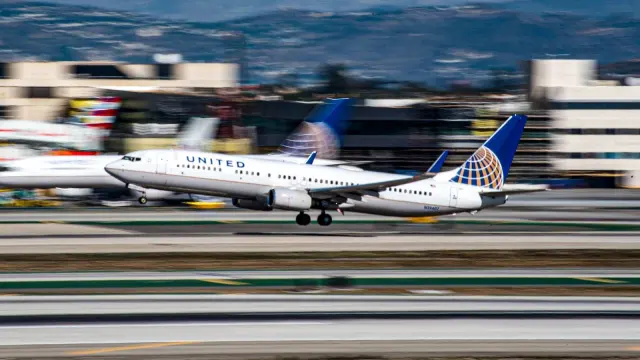
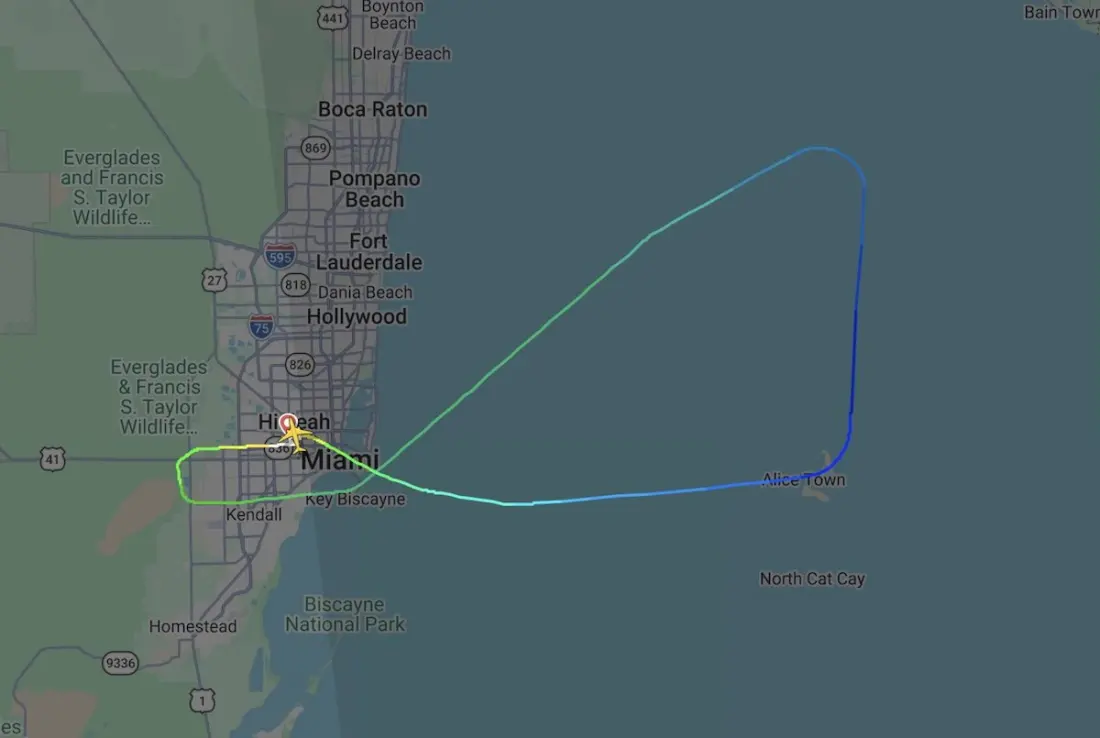
American Airlines flight AA339, a Boeing 737 MAX 8 flying from Miami to Georgetown, Guyana, was barely ten minutes into its climb on the evening of Thursday, October 22, when the pilots told air traffic control they were heading back. The reason: a passenger they described as a threat to the crew. The plane landed back in Miami just 38 minutes after a roughly on-schedule 6:40PM departure.
According to other people on board, the trouble started when a traveller got up while the seatbelt sign was still illuminated and went to the rear galley to grab water for a relative having a panic attack. A flight attendant told him to sit down, words were exchanged, and the passenger allegedly said he would "deal with" the crew member once they landed in Guyana. The pilots, relaying the pilots' own radio message, quoted the remark as "I will take care of you when we land in Guyana" — delivered, they said, in a threatening manner. That was enough for the crew to turn around.
The Miami-Dade Sheriff's Office met the aircraft after an initial report that a flight attendant had been assaulted. Their conclusion was milder: it was a verbal dispute, no assault occurred, and no charges were filed. The passenger was removed, police interviewed witnesses, and after a fresh crew boarded, the flight finally departed at 10:42PM, reaching Georgetown at 2:55AM — more than four hours late.
The twist that made headlines: Guyana's president, Irfaan Ali, was on the plane. He had been in the United States finalising an enhanced military partnership with Washington and had met with Secretary of War Pete Hegseth the day before. He waited out the delay along with everyone else, and there's no indication his presence influenced the diversion decision.
Why should travellers care? It's a vivid reminder of how quickly a minor onboard moment — getting up mid-climb, a sharp exchange with cabin crew — can cost an entire planeload of people their evening. Crews take any comment that can be read as a threat seriously, especially on international sectors, and captains have broad authority to return on that basis. The takeaway is unglamorous but real: stay seated until the sign is off, ask rather than help yourself, and never let a disagreement with crew sound like a promise of future payback. Meanwhile, anyone flying the busy Miami–Georgetown route — a major corridor for Guyanese travellers — now has one more story about why that four-hour hop can stretch well past midnight.
See the original report at One Mile at a Time.