Dreaming of a house in Mexico? Before you fall for the terrace with mountain views, ask a very unromantic question: where does the water come from? Plenty of Mexican properties — particularly rural or newly built ones — aren't hooked up to any mains water network at all, and how a home gets its water can shape your budget and daily routine for years.
The timing matters because most of the country has a dry season running roughly from November/December to May/June. Shortages usually become noticeable by mid-to-late February, and even homes on mains networks can have their supply throttled by water authorities to conserve reserves until the rains return.
Homes in established towns and cities are typically fed by a metered mains system, billed every two months. That water is fine for bathing, washing and cooking, but most people still filter it — or stick to bottled water — for drinking. Outside the mains footprint, properties rely on a community system fed by a licensed well, rainwater collection, or truck deliveries, often in some combination.
If you're buying land to build, or considering a rural or semi-rural house, due diligence is everything. Don't take hearsay about a 'local well' at face value: licensed well access should be written into the deeds, and your notary should verify the property's right to use it. Drilling your own well without written permission from the local water authority is illegal and heavily penalised, precisely because clandestine wells can contaminate the underground springs that supply whole communities.
The fallback for off-grid homes is rainwater harvesting plus truck deliveries. Modern systems capture rainfall across the roof — every square metre of roof yields roughly a litre per millimetre of rain — and store it in underground cisterns. Two decent storms can fill a 50,000-litre cistern if the collection system is well designed. Mexico passed legislation in 2025 making rainwater harvesting obligatory in new builds, so this is becoming standard rather than niche.
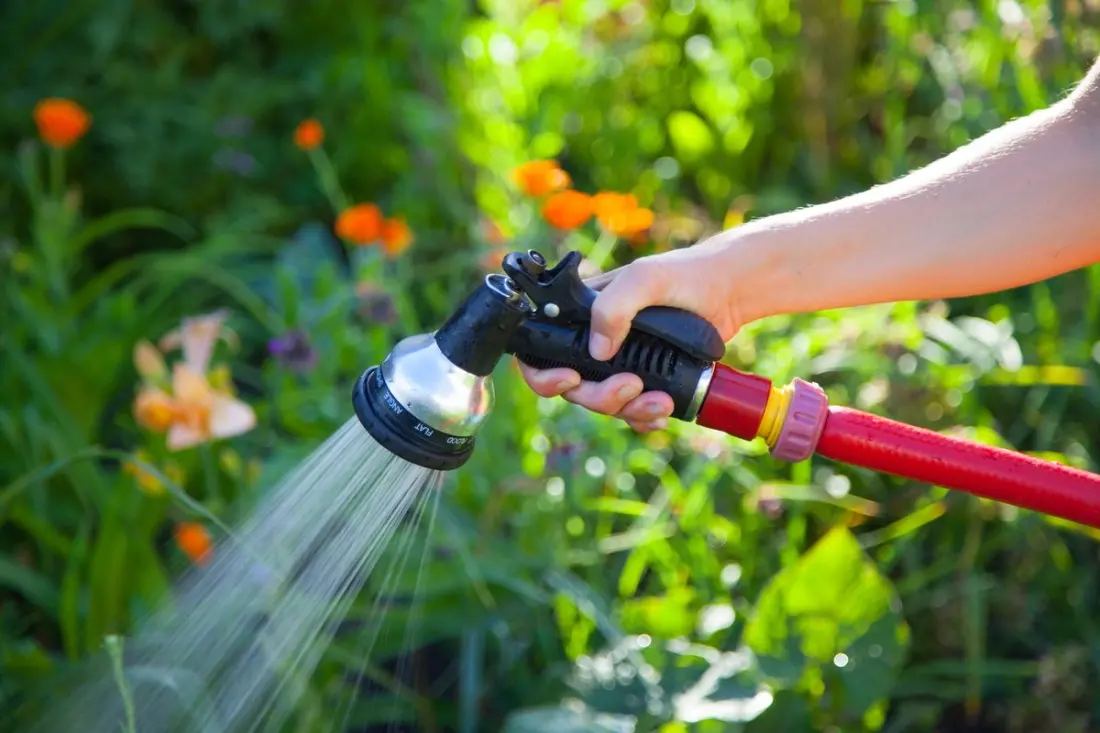
Sizing a cistern comes down to simple maths: budget about 150 litres per person per day for household use. A couple should plan storage of around 55,000 litres to ride out six dry months without calling a truck; a family of four needs twice that. Garden lovers should add a generous buffer — keeping plants alive through the dry season consumes far more water than most people expect.
Trucked water is the safety net, and the price tag reflects it. Trucks carry tanks of 5,000 or 10,000 litres, sold as a full tank at a locally negotiated price with no metering — you pay for whatever comes out. Costs rise with diesel prices and distance: a home near the water station pays less than one up a mountain road. It's the second-most expensive way to buy water in Mexico after bottled.
Renters aren't off the hook either: ask exactly how a rental is supplied and whether water costs are included in the rent before signing. For anyone eyeing a countryside casita or a self-build plot, sorting out the water question first could be the difference between a dream home and an expensive surprise.