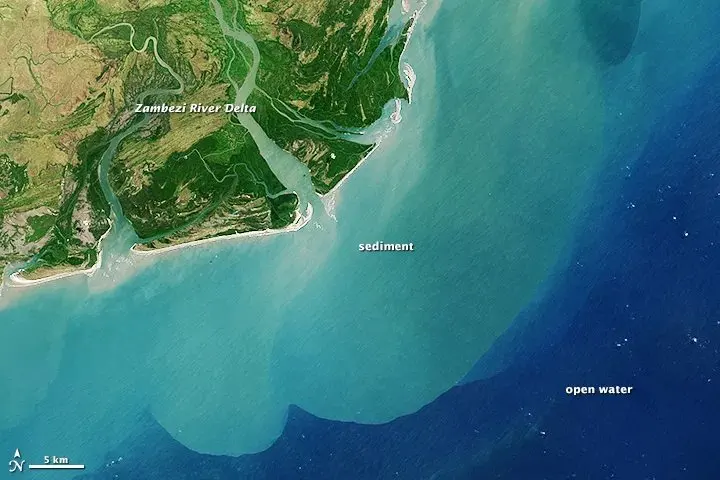
A Mozambican safari operation has picked up one of conservation's more coveted prizes after helping bring wildlife back from the brink in the Zambezi Delta. Zambeze Delta Safaris received the 2026 Markhor Award on 22 October at the UN Biodiversity Conference (COP17) in Yerevan, Armenia — an honour handed out every two years since 2008 for outstanding work in sustainable wildlife management, with past winners in Tanzania, Namibia, Zimbabwe and Iran.
The story behind the award stretches back to 1994, when professional hunter Mark Haldane arrived in Coutada 11, a central Mozambique hunting concession left gutted by years of civil war. He later teamed up with Mozambican businessperson Carlos Pacheco Faria to establish the company, pairing regulated trophy hunting with anti-poaching work, wildlife reintroductions and community development.
The numbers in the award nomination are striking, even if Mongabay — which reported the story — notes it has not independently verified them all. Buffalo in the concession are said to have grown from roughly 1,100 animals to 35,000. Sable antelope climbed from about 40 to 4,000. And 24 lions reintroduced in 2018 have multiplied to an estimated 120. Mozambique's Foundation for the Conservation of Biodiversity has separately documented substantial recovery in the region, lending the figures some official weight.
The timing matters too: the award lands as governments take stock of the Kunming-Montreal Global Biodiversity Framework adopted in 2022, whose Target 9 calls for managing wild species sustainably while benefiting the people who rely on them.
None of this settles the trophy-hunting debate. Critics continue to question whether hunting revenue genuinely reaches local communities and what the long-term effects are. A 2026 review of 89 studies across 13 sub-Saharan African countries found nearly two-thirds of documented outcomes were positive for wildlife or communities, but transparency and fair benefit-sharing remain contested. Haldane says Mozambican law directs 20% of government revenue from concessionaires to residents, distributed through community-nominated committees for local projects.
For travellers, the delta is a reminder that Mozambique's less-visited centre — far from the Bazaruto archipelago and the southern beach resorts — is quietly becoming one of southern Africa's great wildlife recovery stories. Haldane's hope is that Coutada 11's turnaround inspires conservation well beyond the concession's boundaries, and it hints at a future where the Zambezi Delta could sit alongside the region's more famous safari destinations.