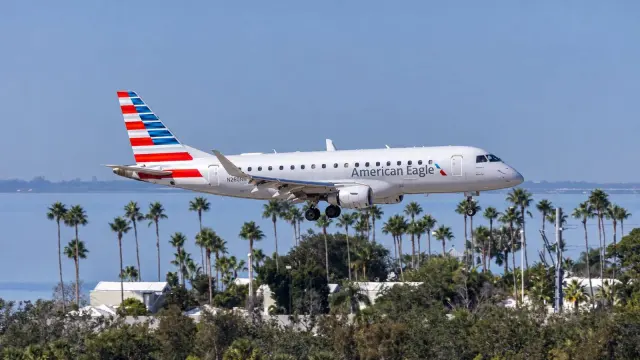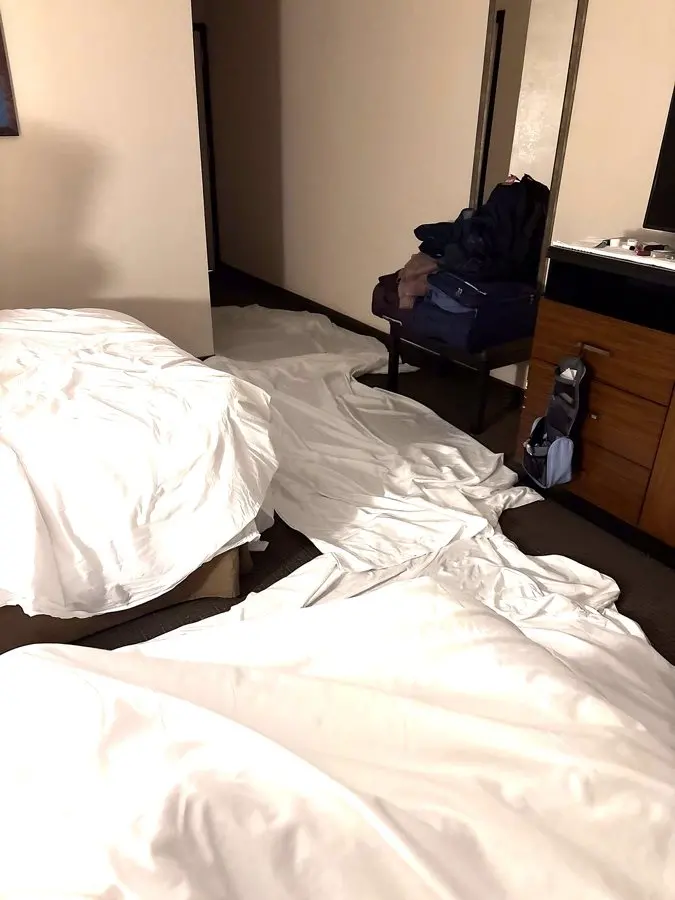
A passenger flying American Airlines says a crew shortage delayed her flight, and the free motel the airline arranged had roaches — plus no shuttle, despite her confirming one beforehand. When the flight was ultimately cancelled and she was rebooked for later, she paid out of pocket for a better hotel with a shuttle. Her story isn't an outlier.
In August, a Delta passenger faced an 8.5-hour overnight delay and found the airline's hotel options included properties advertised from $39 a night, with guest photos allegedly showing bed bugs. They booked independently and were later reimbursed. A September review of a Comfort Inn near Philadelphia International Airport describes an American-arranged room with hair in the bedding, water damage and an ammonia smell — and when fresh sheets were requested, the guest says staff handed back dirty ones. Management's response? An invitation to stay again.
The pattern goes back years: reports of bugs in beds, doors that won't lock, floors so grimy a passenger's feet turned black. Even a business class ticket on an international route didn't stop one American customer from being pointed at a Motel 6 this April. Premium fares buy you a premium seat, not a premium room when things fall apart.
Why does this happen? Airlines contract out disruption hotels to third-party providers, and the goal is containing costs, not quality. Contracts don't specify brands or star ratings. Sometimes 'no hotels available' really means no rooms at the rate the airline is willing to pay — even though bookable rooms exist. And collecting a voucher at the desk can eat an hour or more of an already short night, only for the front desk to claim there's no reservation.
If you're stranded overnight, the pragmatic move is taking control of the room yourself — ideally with the airline's written approval. Ask staff to authorise a self-booked room in writing and confirm what they'll cover, then keep every screenshot, voucher and receipt. Photograph any horror-show conditions, too.
A credit card with trip delay coverage is another lever: Chase Sapphire Reserve, for instance, offers up to $500 per traveller for delays over six hours or requiring an overnight stay, though note that crew unavailability isn't among the listed covered causes — weather, strikes and equipment failure are. It's still often worth a claim; many cardholders report better outcomes than the fine print suggests.
Two more options worth remembering. Many airport-area hotels offer 'distressed passenger' rates — just ask, or have the airline's baggage office point you to them. And hotel points exist for exactly this scenario: spending 10,000 points on a clean room at 1 a.m. may beat any cash alternative when your 6 a.m. departure is looming.
The takeaway for travellers: an airline's hotel promise is a promise of a room, nothing more. If the offered voucher comes with a long wait and a suspect property, ask for written authorisation, book somewhere decent yourself, and reclaim the cost later. Your sleep is worth more than the airline's procurement rate.