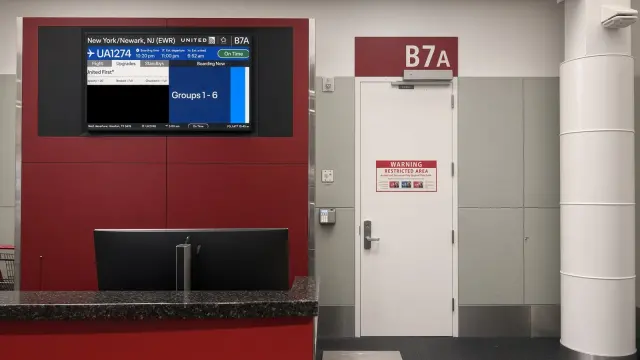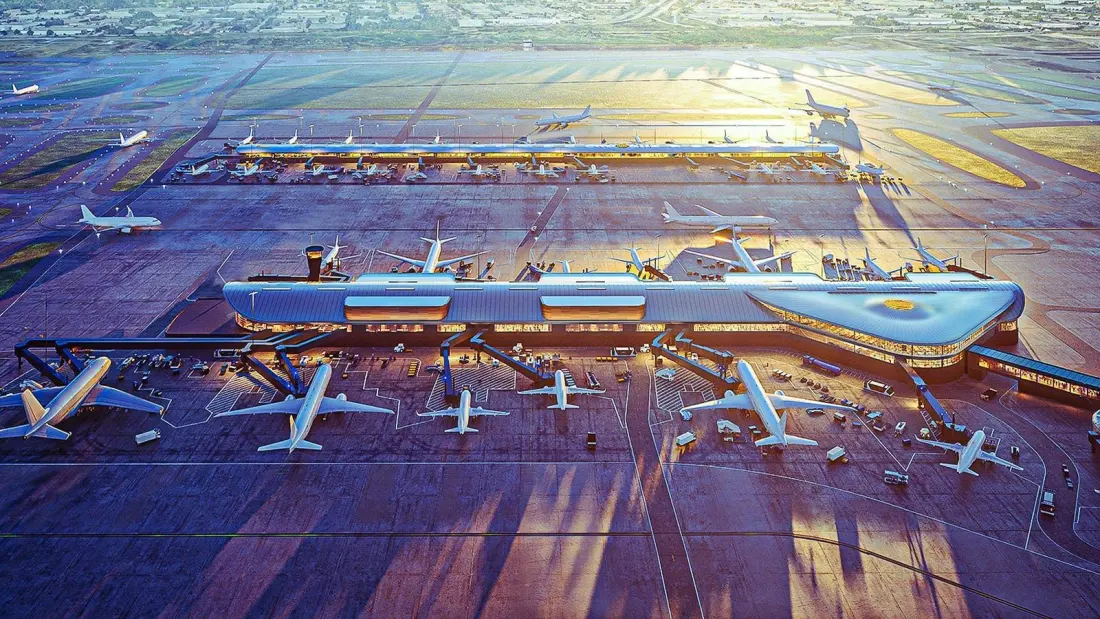
Chicago O'Hare is used to birds — just not indoors. On a recent Tuesday, a bright green exotic bird, thought to be a parrot, flew into Terminal 5 and spent hours dodging capture while nipping at anyone who got close. Airport worker Paris Elbert filmed the chaos and told CBS News Chicago that passengers and staff kept trying to help, only for the bird to "choose fight, not flight." At one point it hitched a ride on a passenger's backpack before pecking at his neck and ears. The saga ended when another worker scooped the bird into his shirt and took it to a vet; officials hope its owners come forward.
Most airport bird incursions are harmless strolls through automatic doors or jetbridge entrances, and the species in this case hasn't been confirmed. But the story is a reminder that birds in terminals aren't just charming. Common birds carry parasites and more than 60 diseases, their droppings can damage goods, and their presence can trigger health-inspection headaches.
The bigger risk, of course, is outdoors. The most famous example remains US Airways flight 1549, the 2009 "Miracle on the Hudson," when an Airbus A320 sucked Canada geese into its engines and Captain Chesley Sullenberger ditched it on the river with everyone surviving. Bird strikes happen daily and rarely make headlines. Denver International leads the US: in 2025 alone, aircraft there hit 863 birds and other animals, with total damage topping $1 million. One United 737 even ingested a white-tailed jackrabbit, wrecking fan blades and the oil cooler to the tune of $344,500. The airport's 53 square miles border a wildlife refuge, and its FAA-approved Wildlife Hazard Management Plan exists largely because rabbits and prairie dogs draw hawks, owls and coyotes.
Strikes typically happen low — 1,500 to 2,000 feet above the ground — and can smash windscreens, damage radar housed in the radome, or jam control surfaces like flaps, ailerons and rudders. Even a harmless strike means an inspection and clean-up, which can delay your next flight; serious damage can ground a plane for days while parts are sourced.
For travellers, the takeaway is mostly reassurance: wildlife encounters at airports are common, well-managed and rarely dangerous, though a stray parrot nipping at your ear is apparently still on the table at O'Hare. If your flight is delayed for a "wildlife inspection," that's the aviation system doing its job — and occasionally, it makes for a great story.