Skip the beach clichés for a moment: some of Mexico's most liveable spots sit far inland, at elevation. The country's central highlands — the Altiplano — are dotted with colonial towns and cities where the climate, daylight and pace of life make long stays genuinely appealing, whether you're retiring, working remotely or just testing the waters.
The appeal starts with weather. Most of these towns sit at least 4,000 feet above sea level, many around 6,000 feet, which combines with the latitude to produce temperate, low-humidity conditions year-round. Winters can be cool — occasionally properly cold — but you still get at least ten hours of daylight every day of the year. The air is crisp, the views from local miradors are expansive, and the elevation is high enough to feel bracing without causing real discomfort for most people.
Day-to-day life is practical too. The popular colonial hubs have fresh produce markets, independent shops and the big supermarkets and brand stores foreign residents tend to want, plus decent-to-excellent healthcare in the cities (smaller towns rely on larger neighbours for serious treatment). Roads are good, intercity buses are frequent, some towns have nearby airports, and home fibre and mobile data coverage are solid — a genuine consideration if your income follows you.
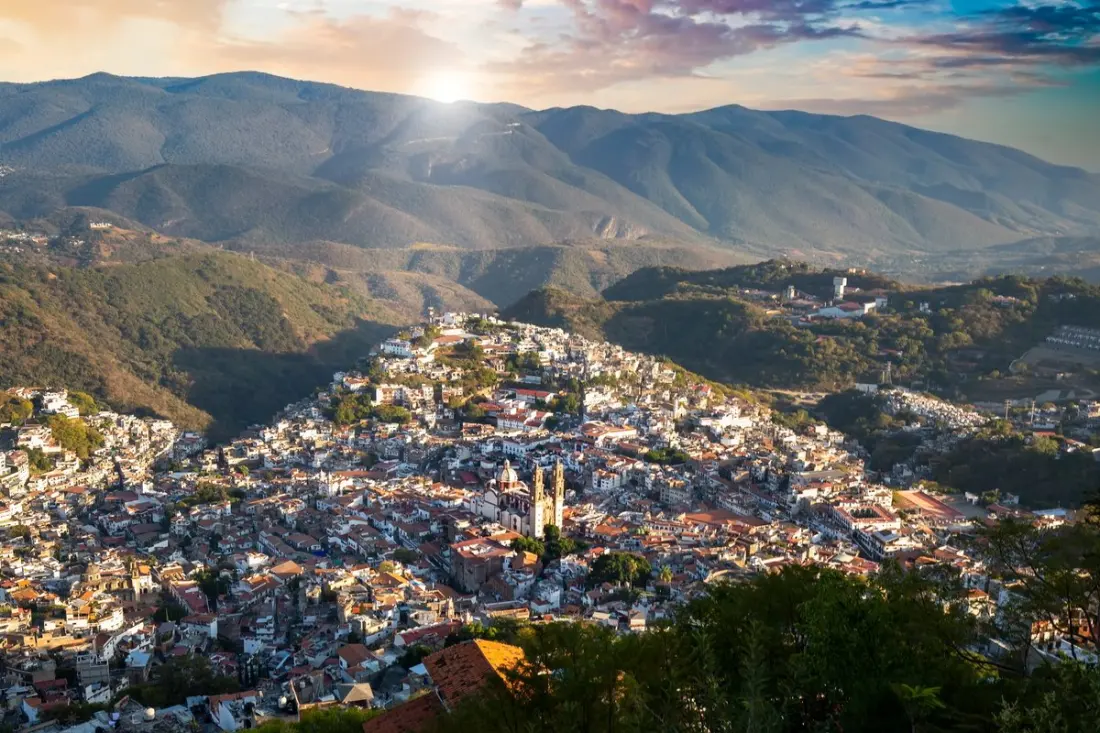
Where to look? Querétaro, Guanajuato and San Miguel de Allende are the classic colonial choices, with Zacatecas for somewhere off the beaten track. Close to Mexico City but a world away in feel: Cuernavaca, Tepoztlán, Puebla and rustic Taxco. West of the capital, Lake Chapala and Ajijic host Mexico's largest foreign resident community — tens of thousands, mostly US and Canadian — while Morelia, Pátzcuaro and metropolitan Guadalajara offer other flavours. Further south, Oaxaca City is among the country's most cultured colonial cities, and San Cristóbal de las Casas in Chiapas sits near indigenous mountain communities like San Juan Chamula and Zinacatán.
It's not for everyone, and the article is honest about that. Ocean-lovers may miss year-round warmth, a few people struggle to adjust to altitude, and some find provincial towns too quiet or rural. The sensible move is a trial run of six months to a year before committing — long enough to acclimatise, learn which neighbourhoods suit you and work out whether a semi-rural lifestyle matches your actual habits rather than an imagined version of them.
For holidaymakers, the same logic applies in miniature: these highlands make a superb multi-stop trip, pairing colonial architecture, markets and food culture with mountain scenery — and none of the coastal humidity.