Ever boarded late to find the overhead lockers already crammed, while crew force bags down to the hold? A former pilot turned aviation safety researcher, writing in The Independent Travel, explains why airlines have gotten so fussy about cabin bags — and it's a mix of physics, profit and paperwork.
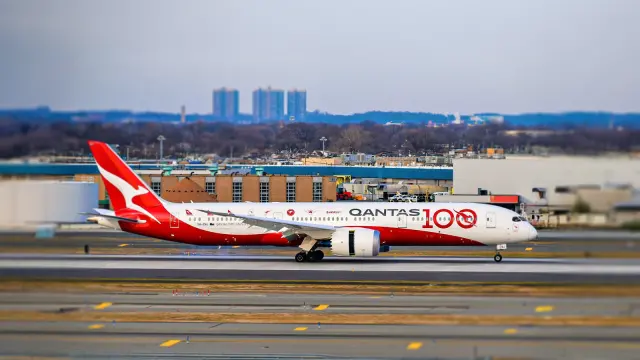
The rules are genuinely confusing. On 2 February 2026, Virgin Australia tightened its domestic carry-on policy: economy passengers now get one standard cabin bag up to 8kg, plus a small personal item that fits under the seat. Yet fly the same route with Qantas and you can take a personal item plus one 10kg piece, or two pieces totalling 14kg. Jetstar, the budget sibling, allows just 7kg shared across two bags. Same Boeing 737, same runway — completely different limits. Air Canada has likewise restricted basic-fare passengers on North and Central American flights to a single personal article.
The safety logic is straightforward. Every aircraft has a maximum take-off weight covering the plane, fuel, catering, cargo, crew, passengers and their bags. Checked bags get weighed at the desk; carry-on is estimated. Australian regulations use standard averages — currently 81.8kg for an adult male and 66.7kg for an adult woman, up from a flat 77kg per person when the author started flying in 1998 — plus an assumed 7kg of cabin baggage per passenger. On tiny aircraft, say under seven seats in remote spots like the Torres Strait, you actually get weighed at the airport. Crucially, airlines can apply to the regulator, the Civil Aviation Safety Authority, to use their own approved weight assumptions. That's the loophole that lets every carrier set different rules.
Money explains the rest. Cabin baggage used to be broadly standardised, but low-cost carriers spotted a goldmine in ancillary revenue — fees for bags, WiFi, food. IATA forecasts that this stream will hit roughly US$144 billion this year, more than the value of the entire global air cargo business. As passengers try to dodge checked-bag fees by hauling everything onboard, airlines respond by policing and charging for oversized carry-on too.
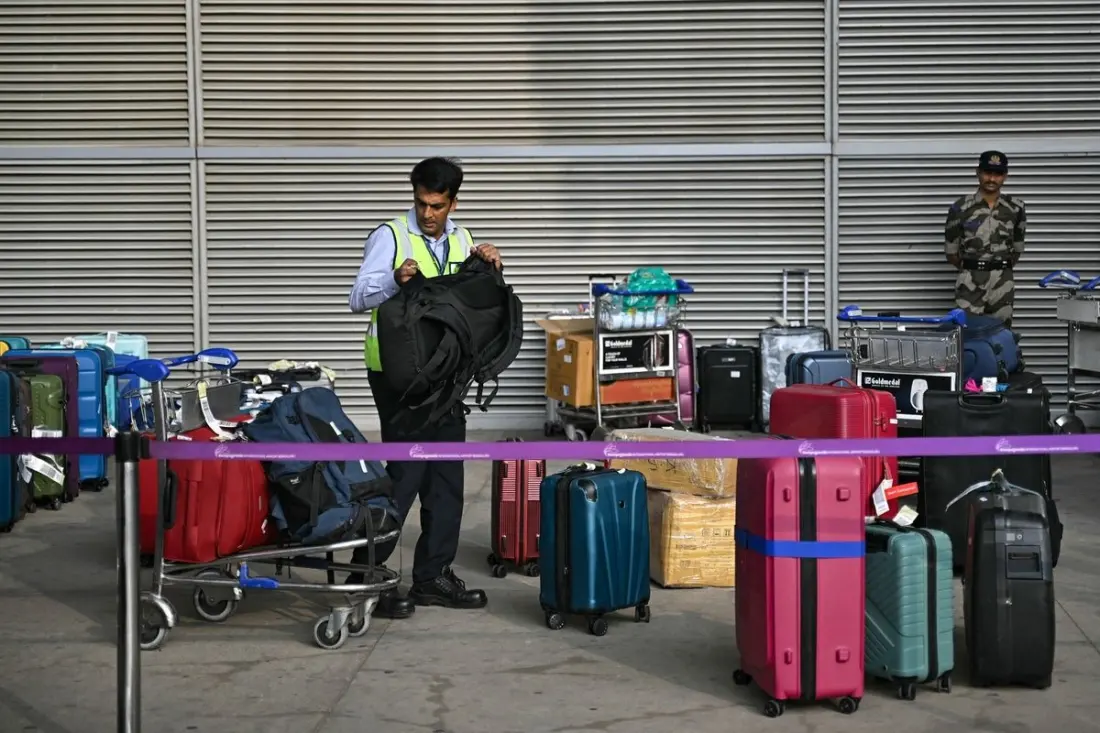
There's a human cost as well. Cabin crew regularly injure their backs hauling heavy bags into lockers, overstuffed bins slow boarding and push back departure times, and in an emergency, people grabbing luggage has been proven to slow evacuations. The pilot's takeaway is simple: pack lighter. You'll board faster, leave on time more often, and make things easier for the crew — and your wallet, if it keeps you under the limit.
For travellers, the practical move is to check your specific fare's allowance before flying, not just the airline's general policy. On the same route, the budget ticket may come with a meaningfully smaller bag allowance, and gate-side surprises are expensive.