A growing share of visitors to Africa aren't arriving for safari or beaches. They're coming for hip replacements, hair transplants and fertility treatment. Medical tourism is a market worth roughly US$76.1 billion in 2025, projected to more than double within a decade — and while Thailand, India and Turkey still dominate, a cluster of African countries is steadily claiming a piece of it.
South Africa leads the pack. Dr Anushka Reddy of the Medical Tourism Association of South Africa points to the country's skilled specialists, sophisticated private hospitals and mature tourism sector — a combination that matters now more than price alone, since today's patients choose destinations on clinical quality, safety and continuity of care. South Africa also functions as a regional hub: patients from Southern, East and Central Africa increasingly travel there for specialised procedures rather than flying to Europe or Asia. Demand spans cosmetic and reconstructive surgery, orthopaedics, dentistry, eye care, fertility, bariatrics, oncology and hair restoration.
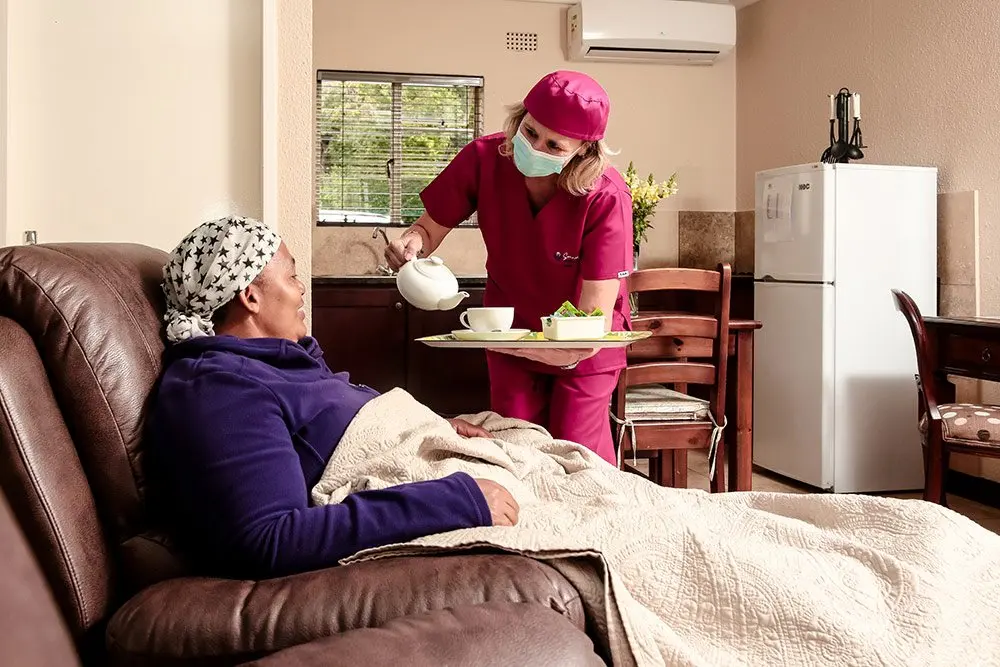
What sets the destination apart is the recovery experience. Facilities such as Sunninghill Recovery Lodge sit between hospital and home, handling wound care, medication, physiotherapy and transport to follow-ups — plus the less clinical touches like beauty therapy and hairdressing that help people rebuild confidence after major surgery. Accompanying family get support too, turning recovery into part of the trip rather than dead time after an operation.
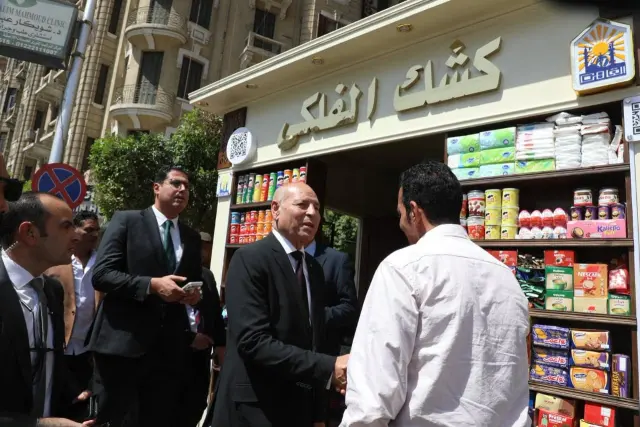
Elsewhere on the continent, the map is diversifying. Egypt draws patients for cardiac surgery and orthopaedics; Tunisia has built a name in cosmetic surgery with French and Mediterranean patients thanks to low prices and short flights; Morocco leans into dentistry and wellness; Kenya is an East African referral point for oncology, renal care and fertility; Ghana attracts diaspora patients for diagnostics and fertility services; and Rwanda is investing heavily in digital health and specialist facilities.
There are growing pains. Dr Reddy sees fragmentation as South Africa's biggest hurdle — world-class hospitals, recovery lodges, tour operators and hotels all exist, but rarely as one coordinated package. Add visa friction, flight connectivity and the need for accredited, transparent providers, and it's clear the sector needs better integration across healthcare, hospitality and government before it can truly compete.
Why should a traveller care? Medical patients stay longer and spend more than conventional tourists, which means hotels, guesthouses, wellness centres and tour operators across Africa are adapting — with concierge services, recovery accommodation and leisure add-ons built around treatment. If you're weighing up elective surgery abroad, or travelling with someone who is, South Africa now offers a genuine alternative: internationally trained doctors, competitive costs and a recovery that might include a garden, a view and proper hospitality rather than a hospital ward.
Full story via Nomad Africa