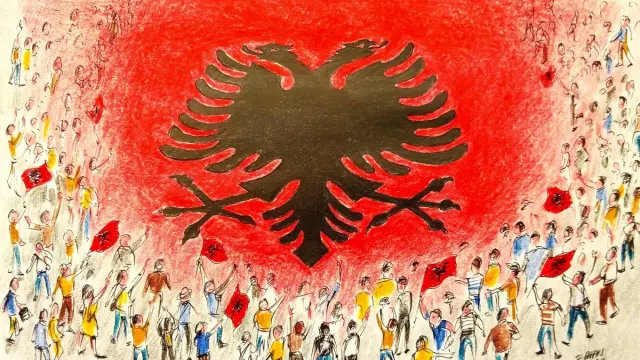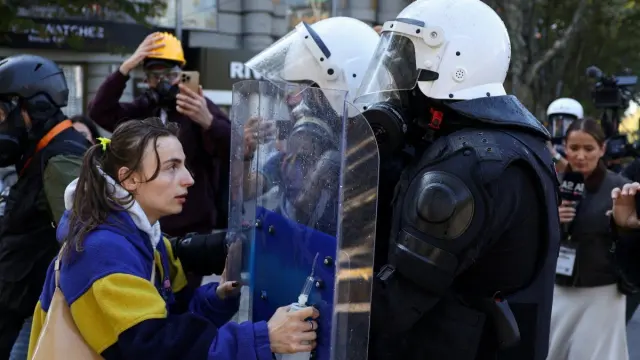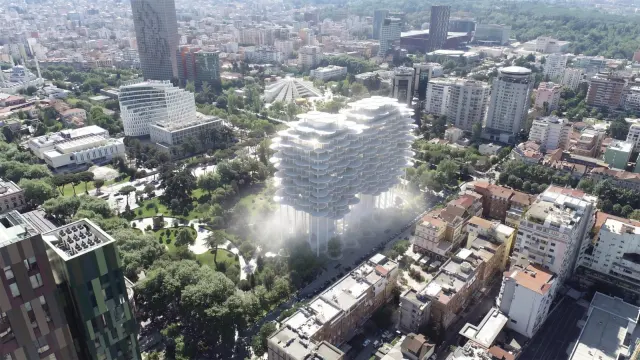
Albania has been gripped by its biggest political crisis in over a decade, and it started with a holiday resort. Protests that began in May against a luxury coastal tourism project — linked to Affinity Partners, the investment firm associated with Jared Kushner — have snowballed into nationwide demonstrations against Prime Minister Edi Rama's government, with violent clashes rocking Tirana in mid-October.
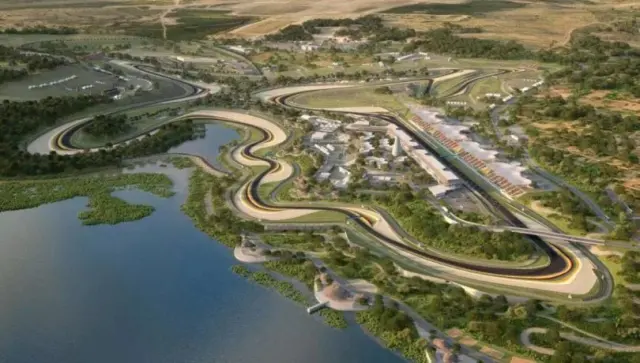
The original grievance was environmental. The proposed development on the southern Adriatic coast would sit near Sazan Island and the Vjosa-Narta region, protected wetlands that are home to flamingos — hence the movement's name and its pink feathered symbolism. Peaceful gatherings in the capital ran for more than 130 days before things escalated.
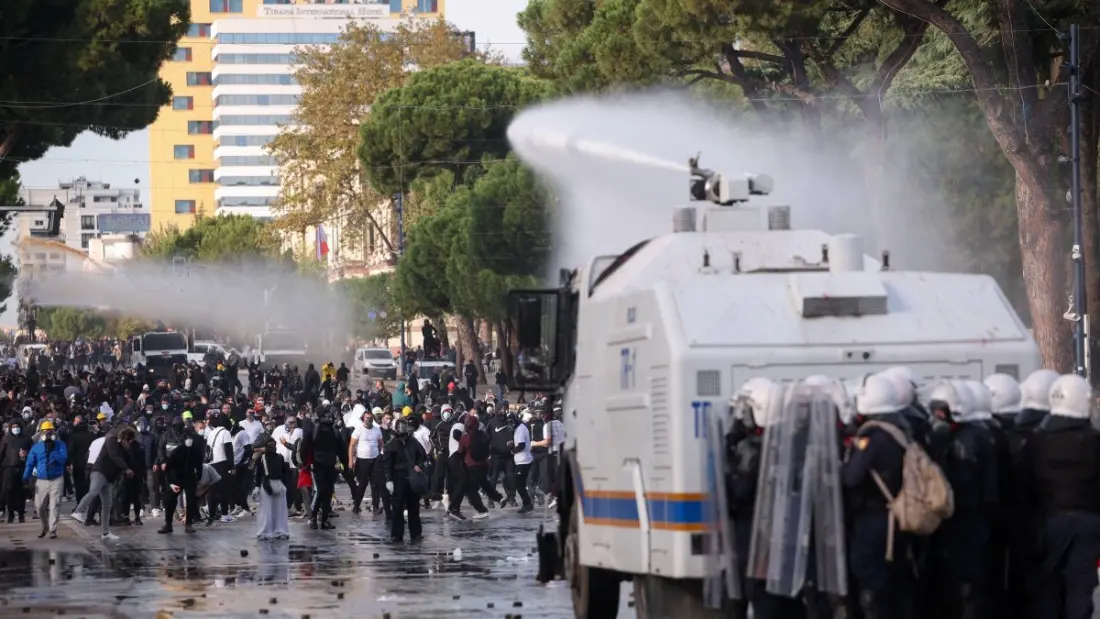
The turning point came when high school and university students joined en masse in mid-October, angry about rising education costs, poor facilities and grim job prospects. Marches on the Education Ministry turned violent: windows smashed, banks and government buildings damaged, and police responding with tear gas, water cannons and, according to reports, rubber bullets. Around 295 people were injured at the peak, including roughly 186 officers, with more than 1,000 detentions reported. The unrest spread beyond Tirana to Durrës, Vlora, Shkodër, Korçë, Elbasan, Lezhë and Gjirokastër.
Rama, in power since 2013 and re-elected in 2025, refuses to resign, arguing change should come through elections — and pointing to Albania's EU membership bid, targeted for the end of the decade. He has floated dialogue on student concerns but also blamed vague 'dark forces' and possible foreign interference, for which independent evidence remains thin. Notably, the mostly young, decentralised protest movement rejects both the ruling Socialists and the opposition Democratic Party led by Sali Berisha.
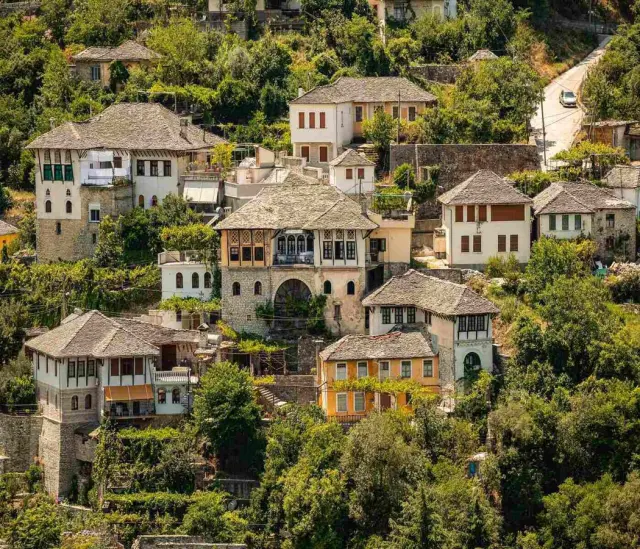
For travellers, the picture is mixed but worth watching. Albania's Riviera — the very coastline at the heart of the dispute — has been one of Europe's fastest-rising budget beach destinations, and the flamingo wetlands around Narta are a genuine ecotourism draw. The government has reportedly tightened border checks in places, and further demonstrations in central Tirana are likely while the standoff continues. Anyone travelling soon should avoid large gatherings, monitor local news, and expect occasional disruption around government buildings in the capital. Beyond that, the country's tourism hotspots along the coast have largely been bystanders to the unrest, which is concentrated in cities and political sites. The longer-term question — whether this coastal development goes ahead, and what it means for one of the Mediterranean's last wild stretches of shoreline — is one that will shape Albania's travel appeal for years.