Picking an Antarctica cruise operator isn't like comparing beach resorts. The differences that matter are unglamorous ones: how many passengers a ship carries, how long you actually spend ashore, and what the biosecurity rules let you do once you're there. A recent comparison of five major operators makes those trade-offs clear.
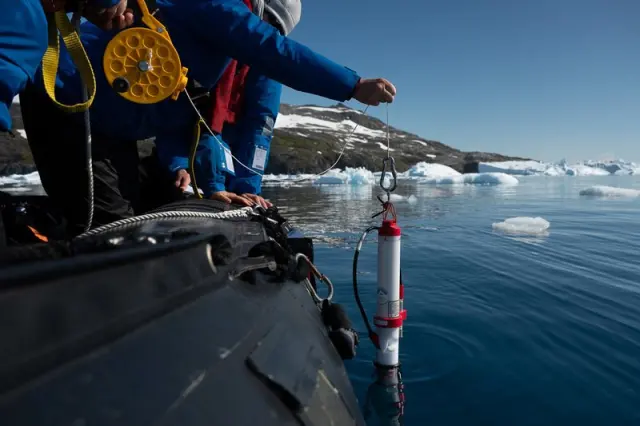
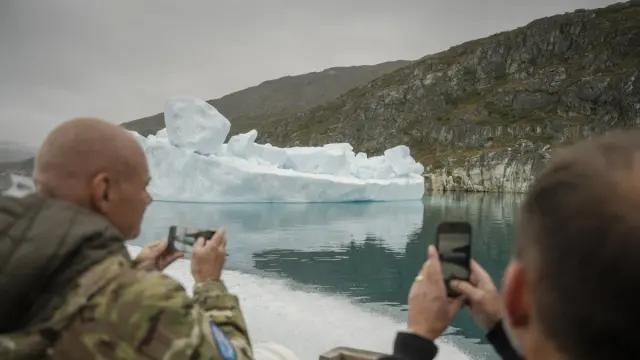
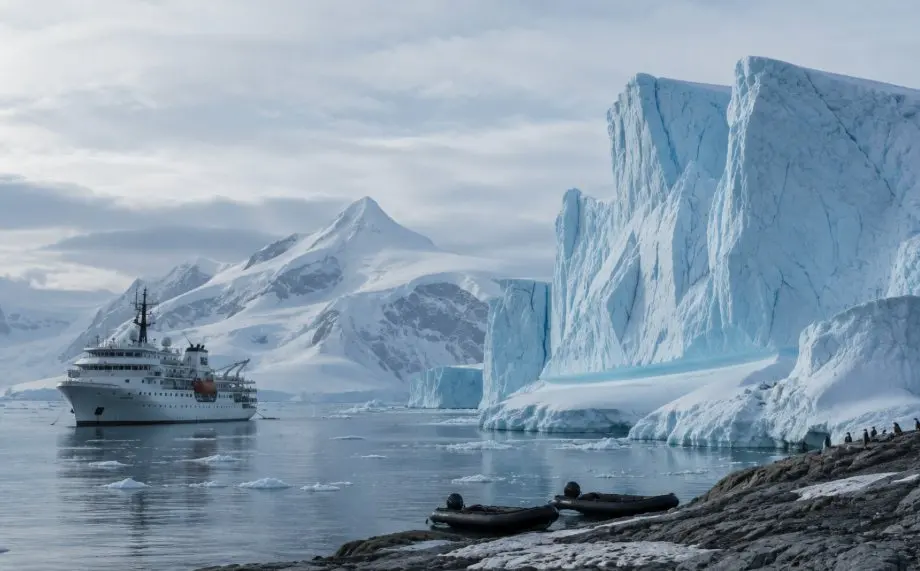
Poseidon Expeditions tops the list with the M/V Sea Spirit, an ice-strengthened ship carrying just 114 passengers. Because the whole guest count fits within IAATO landing limits, everyone can go ashore at once by Zodiac or kayak — up to three landings a day, each around two and a half hours, with no waiting for group rotations. The company has been sailing Antarctic voyages since 1999 and has won the International Travel Awards' Best Polar Expedition Cruise Operator every year from 2022 to 2025.
Quark Expeditions, founded in 1991 and part of the Travelopia group, brings the helicopter-equipped Ultramarine and a history of firsts: early commercial North Pole icebreaker voyages in the 1990s and the first dedicated Antarctic total solar eclipse cruise in 2003. Lindblad Expeditions-National Geographic pairs small ships of 28 to 150 guests with National Geographic scientists and photographers on every sailing, and carries the deepest heritage — Lars-Eric Lindblad's 1966 voyage is widely cited as the first tourist expedition to Antarctica. HX Expeditions, rebranded from Hurtigruten Expeditions in December 2023, traces its roots to Norwegian coastal shipping in the 1890s. And Oceanwide Expeditions, family-owned out of Vlissingen in the Netherlands, operates its own fleet including the 108-passenger Plancius and the 170-passenger Hondius.
Two practical threads run through all of this. First, IAATO — the industry self-regulator — caps how many passengers from any ship can be ashore at one site and enforces strict wildlife-distance and no-waste rules. That's why small ships win on shore time: a 114-passenger vessel clears its entire complement in one rotation, while a bigger ship staggers groups. Second, the rules get odd: you can't kneel, sit or set gear down on the ground near wildlife or nesting sites, a measure designed to stop pathogens like avian influenza hopping between colonies via clothing and equipment.
Costs start around $8,000 to $10,000 per person for a 10-11 day Peninsula voyage in a standard cabin, and bargains are rare — ice-class ships, fuel and mandated staffing ratios keep operating costs fixed. The season runs November to March: November and December bring nesting penguins and near-endless daylight, February and March bring peak whale sightings. Most voyages last 10 to 21 days, with South Georgia and Falkland Islands combos adding roughly a week. You can also fly over the Drake Passage by booking a fly-cruise that starts at King George Island.
If Zodiac time is what you're paying for, lean towards the smaller ships — Sea Spirit or Plancius. If you want bigger onboard programming, photography expertise or helicopter access, the larger operators earn their premium. Antarctica has no visa of its own, but you'll need paperwork for the gateway country, usually Argentina or Chile.