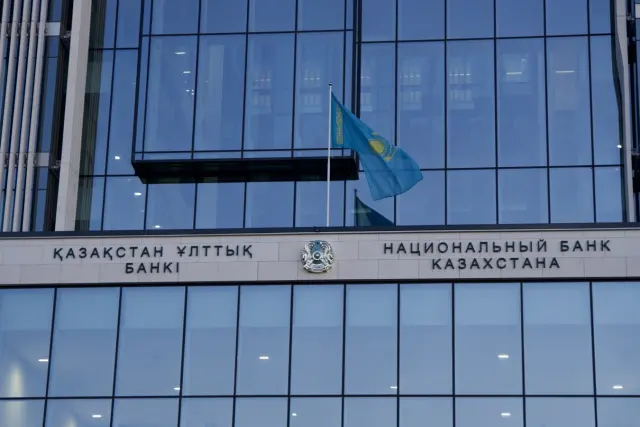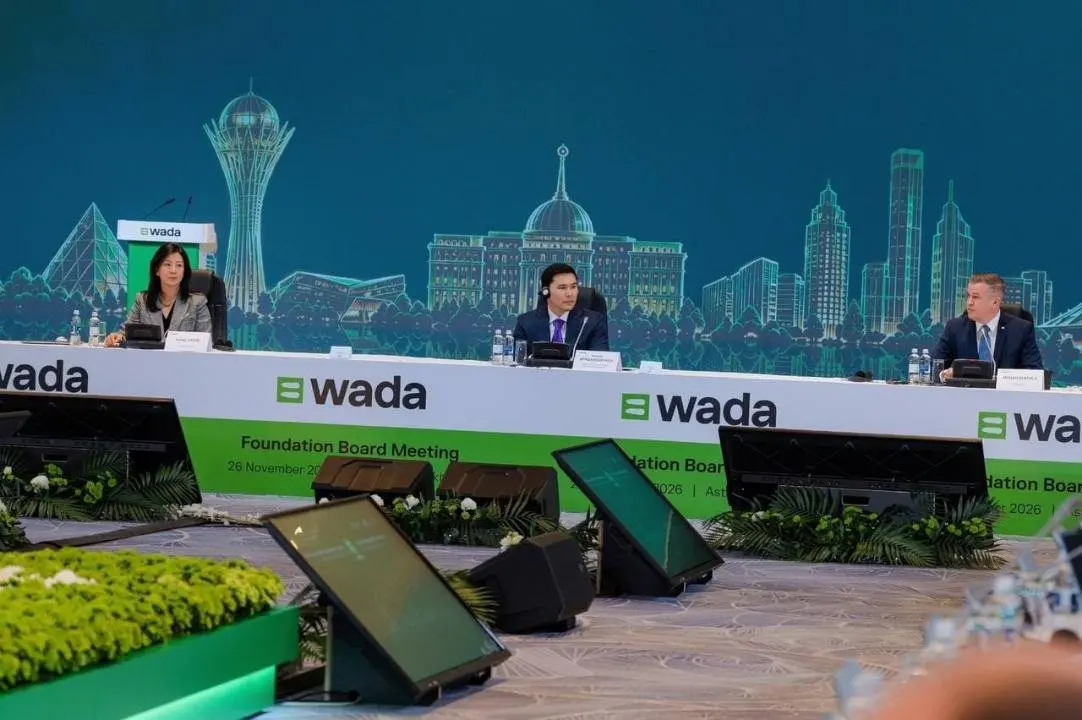
Kazakhstan's capital played host to one of sport's most important governing meetings on November 26, when the World Anti-Doping Agency's Foundation Board convened in Astana with representatives from more than 50 countries around the table. For a city better known to most travellers as a futuristic stop on the Silk Road route, it's another sign that Astana is quietly building a CV as a venue for major international gatherings.
The meeting drew serious names. WADA President Witold Bańka and Director General Olivier Niggli were both in attendance, alongside Kazakh Tourism and Sports Minister Yerbol Myrzabossynov, delegates from the International Olympic Committee and International Paralympic Committee, and the heads of national anti-doping organisations. The Foundation Board is WADA's highest governing body, jointly representing the sports movement and world governments, so its agendas carry real weight in how global sport is policed.
Discussions centred on putting the World Anti-Doping Code into practice, tightening protections for clean athletes, and expanding education and science programmes. Myrzabossynov used his platform to frame clean sport as a fairness issue — his line was that every athlete should win through honest work, and that the goal is equal conditions and preserved trust in sport. He also confirmed Kazakhstan is working to bring its national anti-doping system in line with international standards and to push anti-doping awareness among young athletes.
The Astana meeting didn't come out of nowhere. Bańka visited Kazakhstan in October 2025, and earlier this year he and Myrzabossynov signed a memorandum of understanding covering anti-doping education, prevention of rule violations, scientific research and knowledge-sharing between countries. The November board meeting is the most visible fruit of that warming relationship so far.
So why should a traveller care? Partly because hosting big international summits tends to accelerate the things visitors actually notice: hotel stock, flight connections, and a capital that is actively polishing its image for a global audience. Astana has spent two decades transforming itself from a steppe outpost into a city of striking architecture — theBayterek Tower, the Khan Shatyr tent mall, the Nur-Astana Mosque among them — and events like this reinforce its bid to be taken seriously as a Central Asian hub. If you've been waiting for a reason to look beyond Almaty, the capital is making its case.