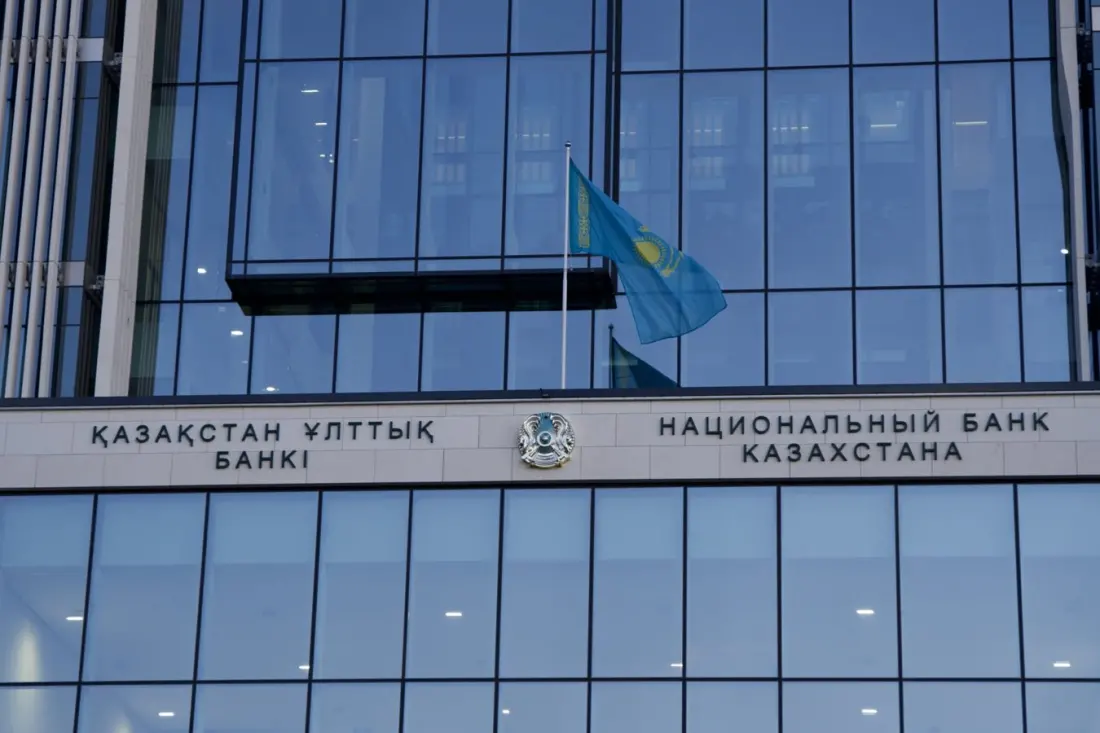
Kazakhstan's money story is heading in a friendlier direction. In the National Bank's November macroeconomic survey, released Nov. 26 after polling 15 financial, rating and research organizations, analysts cut their inflation forecasts for both 2026 and 2027 and revised the tenge's expected exchange rate stronger across the entire projection period.
The headline numbers: inflation is now expected at 9.1% in 2026 (down from 9.5%) and 8% in 2027 (down from 8.3%), easing toward 7% by 2028. The National Bank's base rate is forecast to fall steadily, from around 15.8% at the end of 2026 to 13.4% in 2027 and 10.8% in 2028. On currency, analysts now see the tenge averaging 472 per U.S. dollar in 2026 rather than 479, with improved 2027 and 2028 estimates of 489.8 and 510.4 respectively — a gentler slide than the 499.6 and 527.1 predicted previously.
Oil is doing much of the heavy lifting. The average Brent price forecast for 2026 was bumped up from $88.4 to $93.3 per barrel, which pushes expected export revenues to $101 billion this year (from $96 billion) and $100 billion in 2027. Yet the growth forecast for 2026 was actually trimmed slightly, from 4.8% to 4.6% — strong oil prices support exports without automatically speeding up the wider economy.
There's a catch further out. The surplus between exports and imports is projected to shrink sharply, from $17.2 billion in 2026 to $11.8 billion in 2027 and just $5.6 billion in 2028, as oil prices taper and imports rise. Economist Ruslan Sultanov, writing on his Tengenomika Telegram channel, called the near-term picture relatively favourable but stressed that productivity, export diversification and domestic growth drivers will matter more as the oil tailwind fades. Five-year expectations stay stable — roughly 4.5% growth and 5.1% inflation — though wide ranges in the medium-term forecasts signal real uncertainty.
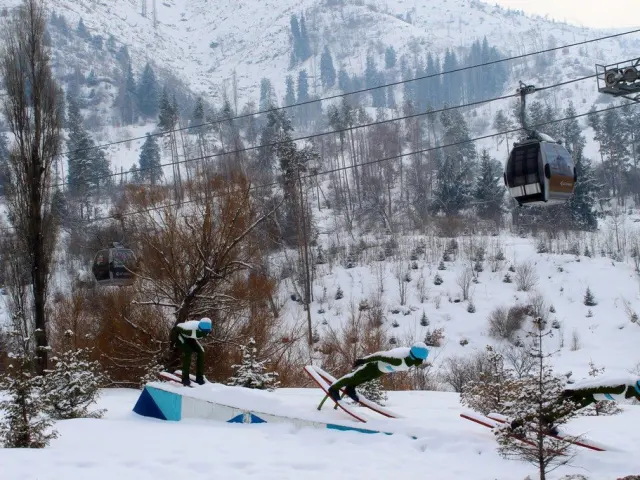
Why should a traveller care? A firmer tenge and cooling inflation mean prices in Kazakhstan should be less volatile for visitors over the next couple of years, and the country remains one of the better-value stops in Central Asia. If you've been eyeing Almaty's mountain backdrop, the futuristic architecture of Astana, or the steppe and Silk Road routes beyond, the economic backdrop looks steady enough to plan around — just budget in dollars and expect gradual currency drift rather than any sharp shock.