
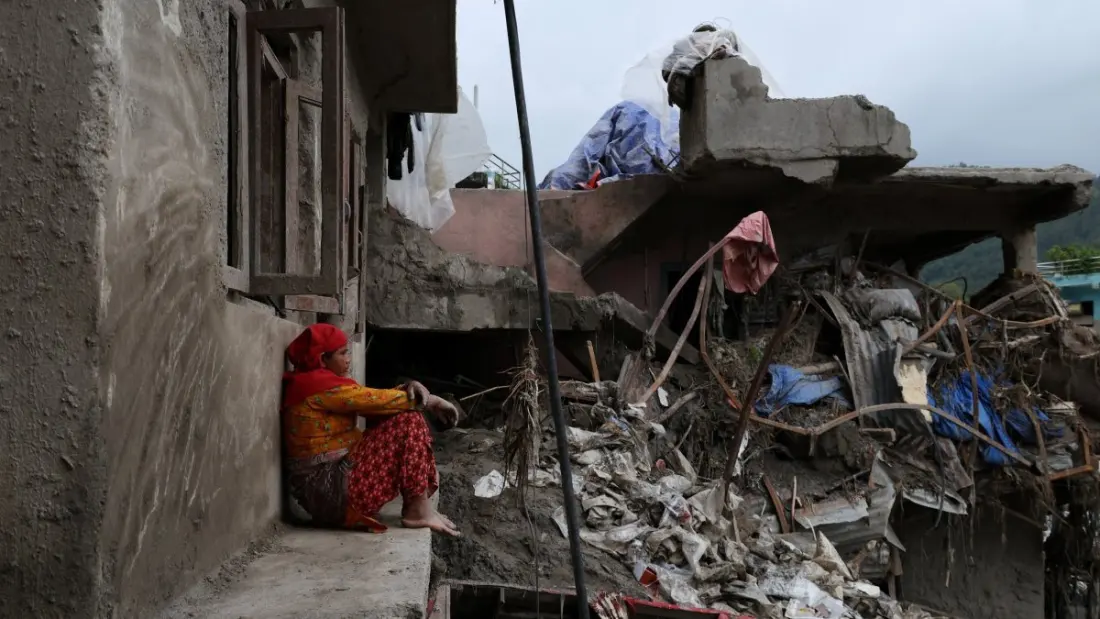
A flood triggered by a glacial collapse near the Nepal-China border has effectively erased Betrawati, a once-bustling town in Nuwakot district that served pilgrims and trekkers heading into the Himalayas. What was a thriving settlement weeks ago is now a plain of hardened grey silt, with the road to nearby Bidur buried under mud and survivors climbing a ridge on foot just to reach what remains.
The numbers are staggering. Nepali authorities report at least 1,386 deaths, with 5,130 people still missing and more than 13,700 rescued. Survivors who lived through it describe warnings that arrived only minutes ahead of the water — frantic phone calls from friends upstream, then a torrent so forceful it slammed into a hillside and surged back across the valley, carrying homes and businesses with it. Abandoned shoes, school bags and ties still litter the route the water took.
For travellers who knew Nepal's trekking corridors, the details hit hard. Betrawati grew prosperous on pilgrimage and trekking traffic: families built bigger houses, rented out rooms and invested in their children's schooling. A woman named Shanti Dangol, 61, returned daily to a single broken tile — all that marks where her three-storey lodge once stood — clutching a photograph of it. Others, like garment shop owner Kalpana Thapa Magar, survived by running when told to, looking back to see everything gone. A man named Madhav Ghimire still carries the keys to a six-room house whose location he can no longer even identify.
The disaster also reopens old wounds. Nepal lost nearly 9,000 people in the 2015 earthquake, but as one teacher who lost both her houses and her farmland put it, back then families could sift the rubble and rebuild on their own land. This time the ground itself has moved; farmland lies under debris, and many survivors privately accept they may never return to Devighat and other downstream spots where fragments of homes still stand.
Anyone planning travel in Nepal right now should read this as more than distant news. Monsoon and post-monsoon conditions remain volatile, and glacial lake outburst floods — like the one near the border that triggered this disaster — can strike with only minutes of warning. Trekking routes and gateway towns in central Nepal may be affected by damaged roads and displaced communities, so check route status locally, register with trekking agencies that monitor conditions, and be mindful that regions like Nuwakot are grieving. For those who want to help, reputable Nepali and international relief organisations are supporting the tent camps sheltering displaced families on the hillsides above Betrawati. The town's story is a reminder that the Himalayas demand respect as much as they reward the journey.
Daily Sabah Travel