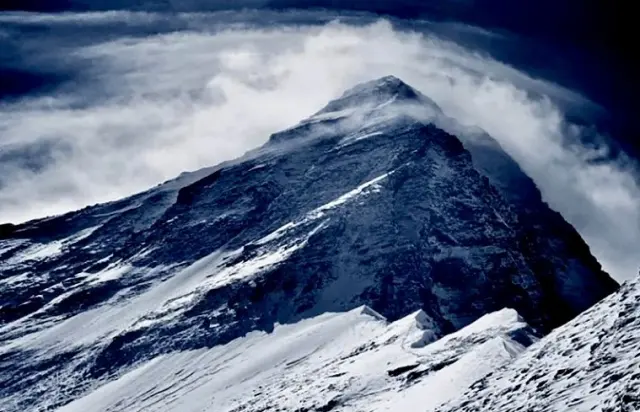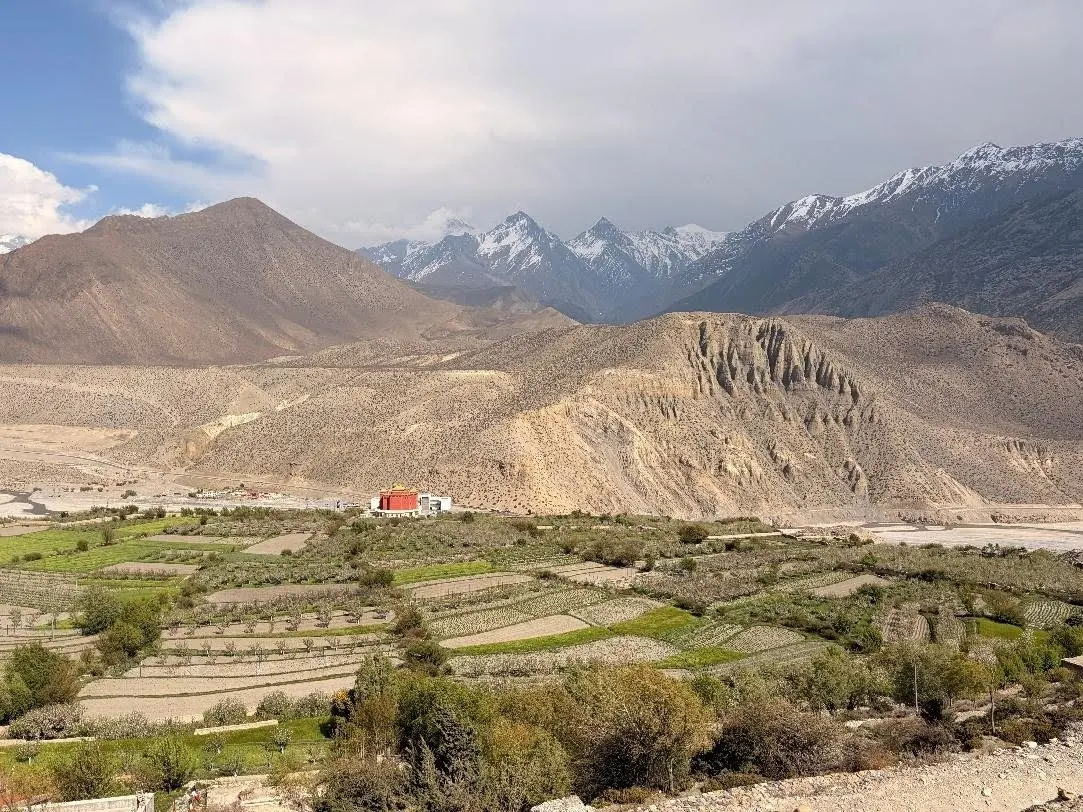
Autumn in Mustang, the trans-Himalayan district of northern Nepal, looks postcard-perfect: apple orchards heavy with fruit beneath arid, high-altitude peaks. But a closer look at who actually picks that fruit reveals a story most tourists never hear.
Apples have long been Mustang's economic backbone, and warming is redrawing the map. Cultivation is creeping to higher elevations around Kagbeni, where it once barely grew, while the traditional heartlands of Marpha, Tukuche and Jomsom dominated in the past. Local hoteliers and farmers link the shift to rising temperatures — consistent with science showing the Himalaya warming about 0.7°C faster than the global average. The downside: summers are getting wetter in this normally arid region, and unseasonal heavy rain can wreck apple blossoms, with winter droughts adding to the unpredictability.
At the same time, the valley is emptying out. Young Thakali and Gurung residents — historically Mustang's dominant communities — are leaving for Pokhara, Kathmandu and abroad, chasing education and jobs rather than fleeing the brutal winter as earlier generations did. What's left is an ageing population, a labour shortage, and orchards kept alive largely by Dalit workers and migrants.
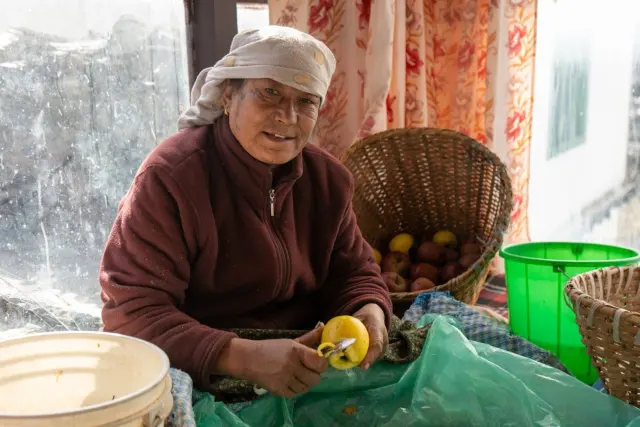
That's the part of Mustang few visitors think about. Dalit families have been here for four or five generations, historically doing the manual and skilled labour that other castes would not. Many older residents remember open discrimination: Ram Bahadur BK recalls that the hands that did all the work were considered impure. A Dalit woman in her late forties remembers her husband selling utensils that buyers ritually purified before using.
Change is real, if uneven. Roads linking Mustang to markets in Myagdi and Pokhara have boosted apple farming. Education, tourism, and the loosening of caste lines after the Maoist conflict and Nepal's new constitution have softened social barriers — Buddhism's less rigid hierarchy has helped too, and some Dalit families have culturally integrated. Younger Dalits face fewer social obstacles than their parents did. But social acceptance hasn't turned into economic mobility. Excluded historically from land and schooling, many families still depend on daily wage labour in the orchards and tourism services, and traditional trades like utensil-making no longer pay.
For travellers, this is a nudge to look beyond the mountain views. The guesthouses, apple brandy, dried apples and orchard trails of the Kali Gandaki valley all rest on the labour of people whose contribution rarely makes the brochures — many of them working because they never had the choice to leave. Spending in locally run businesses, and treating the region's social history as part of the trip rather than an inconvenience, is a small way to travel more honestly in Mustang.
The region's future, as the original reporting argues, depends less on who leaves than on who stays — and making sure those who stay are no longer left behind.