
Victoria Falls is the reason most people book a flight to Livingstone, Zambia. Increasingly, it's not the reason they stay. Zambia's Ministry of Tourism says the average visit has stretched from three days to five since 2024, and Livingstone hotels are reporting around 70% occupancy — numbers that suggest the town is becoming a destination in its own right rather than a waterfall day trip.
The Falls themselves reward more than a single visit. The UNESCO-listed Mosi-oa-Tunya, where the Zambezi drops through basalt gorges along a 1.7 km-wide curtain of water, changes character with the seasons. At peak flow the whole thing disappears into spray; when levels drop, the rock formations emerge and activities like Livingstone Island and Devil's Pool open up, depending on water and safety conditions.
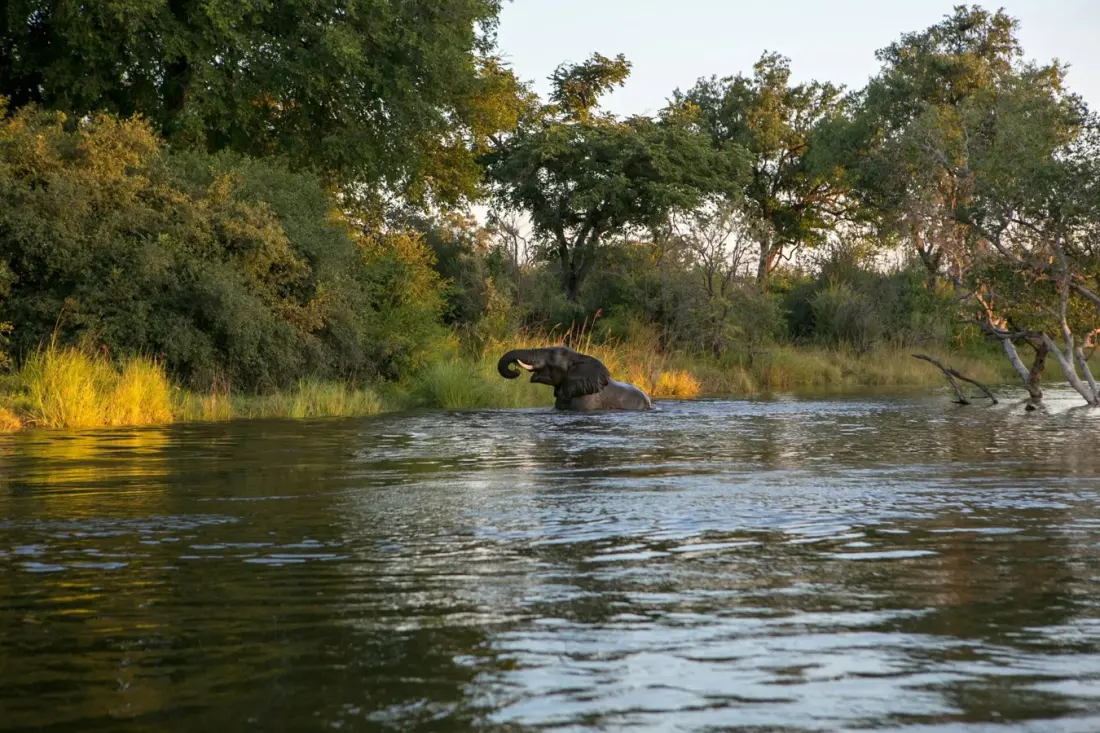
Then there's the river. Above the Falls, the upper Zambezi is all calm water — sunset cruises, canoeing, fishing and river safaris with wildlife on the banks. Below, the Batoka Gorge flips the mood entirely: white-water rafting, riverboarding and gorge swings. Add a bungee jump from Victoria Falls Bridge or a helicopter and microlight flight over the water, and the adventure options alone can fill several days without repeating themselves.
Wildlife is closer than you'd expect, too. Mosi-oa-Tunya National Park runs along the river and includes the Eastern Cataract, offering game drives and walks — and, notably, white rhino. Zambia Tourism calls the park under-visited despite sitting right next to the Falls, which makes a rhino encounter possible without heading deep into the Zambian bush.
The town itself has layers. Founded in 1905 and Northern Rhodesia's capital from 1911 until Lusaka took over in 1935, Livingstone retains colonial-era buildings and railway heritage. The Livingstone Museum, opened in 1934, is Zambia's oldest and largest, covering archaeology, natural history, ethnography and David Livingstone memorabilia. Craft markets, food experiences and cultural tours round out the non-adrenaline side of things.
Livingstone also works as a hub for a bigger Southern African loop. It sits near the Zimbabwe and Botswana borders, and Proflight Zambia flies direct to Cape Town three times a week, frequently to Lusaka, plus regional links to places like Maun and Windhoek. A route from Cape Town to the Falls and onward into Botswana or elsewhere in Zambia is easy to assemble.
The takeaway: five days sounds generous until you stack up a waterfall, a river with two personalities, rhino tracking, a museum and a rafting run through the Batoka Gorge. The Falls may sell the flight, but they don't need to be the whole trip.