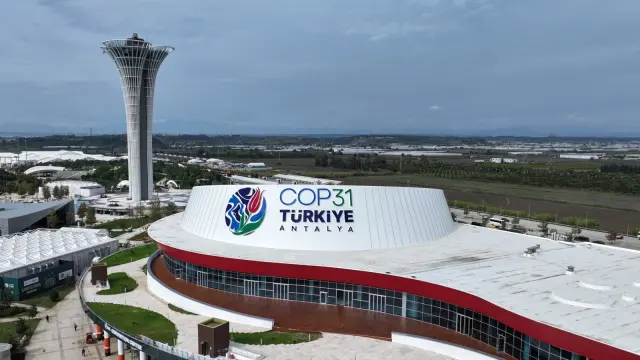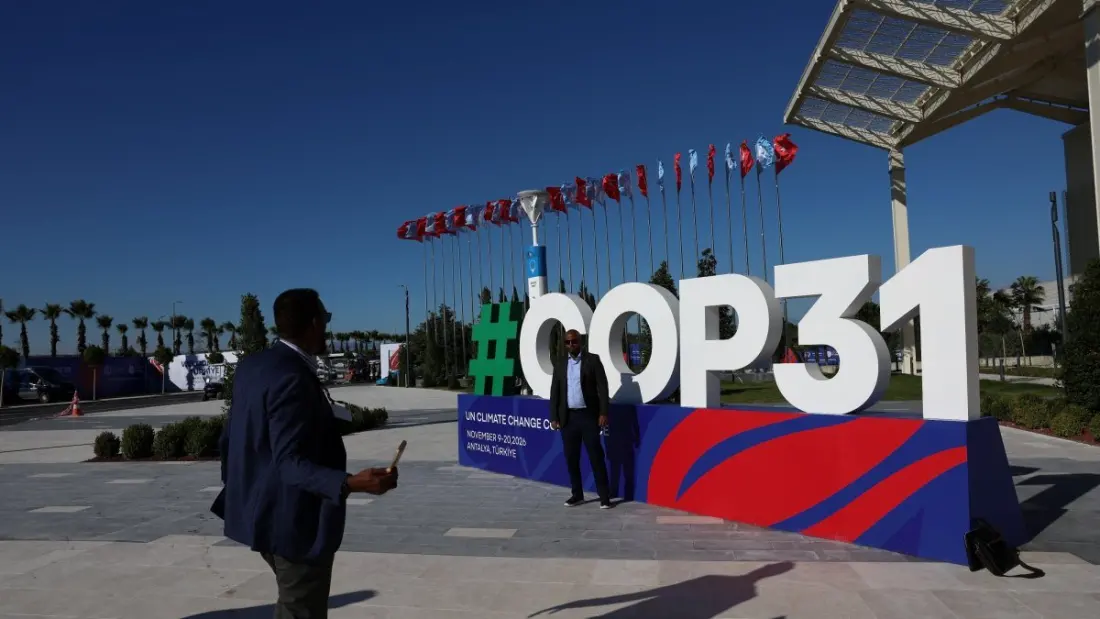
Antalya is about to swap its usual beach-season rhythm for something much bigger: from 9 to 20 November, the Turkish resort city hosts COP31, the 31st UN Climate Change Conference, and Türkiye's first time holding the UNFCCC presidency. Nearly 200 governments will send negotiators, alongside scientists, businesses and civil society groups.
Türkiye earned hosting rights through a compromise struck at COP30 in Belém, Brazil, in November 2025: Antalya holds the conference and the presidency and leads the Action Agenda, while Australian climate minister Chris Bowen steers the formal negotiations. Fiji hosted the Pre-COP ministerial meeting and Tuvalu staged a leaders' event in October, keeping Pacific island nations — among the most exposed to rising seas — at the centre of the process.
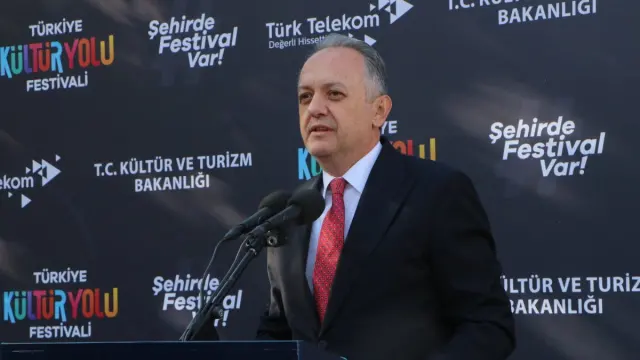
The Turkish presidency's slogan is "dialogue, consensus, action," and Minister Murat Kurum, the COP31 president-designate, has branded this edition an "Implementation COP" — less about new pledges, more about turning promises into projects. The Action Agenda packs ten priority themes, six global implementation goals and 11 initiatives, spanning zero waste, clean energy, food and water security, climate-resilient cities, green industry, oceans, youth and health. Targets for 2035 include lifting electricity to 35% of global final energy consumption, cutting building energy intensity by at least 25%, and halving the projected rise in municipal waste. A separate initiative, BRIDGE, aims to help countries convert climate priorities into investment-ready projects with actual financing attached.
Money will dominate the negotiation rooms, as usual. At COP29 in Baku, countries agreed that developed nations should lead in mobilising at least $300 billion a year for developing countries by 2035, within a wider push toward $1.3 trillion annually. Kurum frames the gap in everyday terms: drought hits harvests, food prices climb, and stability suffers — with the burden falling on societies least responsible for the crisis.
Practical notes if you're in Antalya during the summit: the conference runs across two zones. The Blue Zone hosts accredited negotiators only, but the Green Zone is the public-facing side, showcasing climate solutions and innovation, and the World Leaders' Summit on 11-12 November will bring heads of state to town — expect heightened security, road closures and busy hotels in the city that week. Thematic days run throughout, covering food and agriculture, energy, transport, finance, oceans and youth before closing plenaries on 20 November. The youth angle is a signature of the Turkish presidency: the volunteer programme drew more than 45,000 applications from around the world.
For travellers, the story matters in two ways. If Antalya is on your November itinerary, plan around the summit's footprint and possible price spikes. More broadly, the country you'll be visiting is positioning itself as a climate diplomacy hub — with first lady Emine Erdoğan's Zero Waste Project, launched in 2017, serving as one of its flagship exports.