Daniel Craig has joined the unlikely club of British celebrities buying pubs, alongside Guy Ritchie, Rick Astley and Ian McKellen. But as a new behind-the-scenes look at the trade makes clear, owning a handsome old boozer and actually running one are very different things.
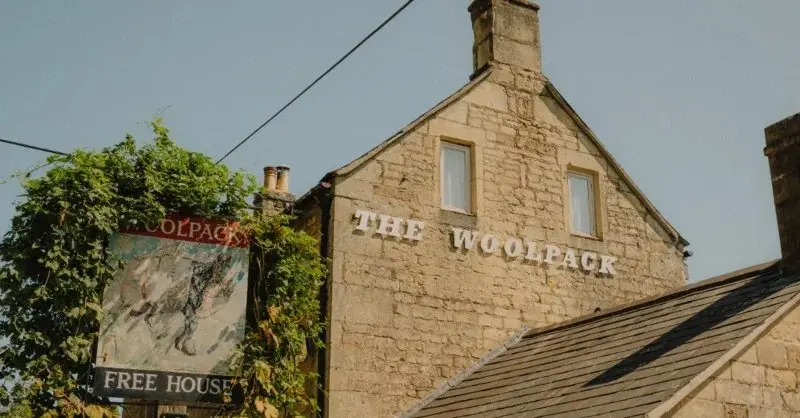
Take the Woolpack in the Cotswolds' Slad Valley, routinely ranked among the country's best pubs by the National Restaurant Awards and National Pub Awards. Its owner, former artist Daniel Chadwick, bought the dilapidated building out of pity rather than ambition, and decades later calls it one of his best decisions — despite swapping art-fair trips for sourcing pork scratchings and cash-and-carry runs.
So what separates a thriving pub from an expensive mistake? Location and maths come first, says Marc Francis-Baum, who opened the George and the Dragon in Clerkenwell. Before falling in love with a building, buyers should ask whether enough locals would actually come, and whether the turnover can cover rent, business rates and fixed costs. Freeholds can run into millions, and many pubs sit in the hands of breweries or developers, which pushes buyers towards leaseholds.
Then there's the renovation question — and the experts are sceptical of makeovers. At the George and the Dragon, Francis-Baum deliberately kept the mosaic floor, tiled walls and enormous listed bar, pairing them with Victorian-style lighting and mismatched furniture rather than a matching new set that would have made it feel like a restaurant. Adam Glover, head chef at the Woolpack for 13 years, mocks the formulaic Cotswolds look of 'sage-green paint and hunting pictures', preferring his own deliberately shabby bar shaped by its regulars.
That doesn't mean food has no place. The George and the Dragon keeps a traditional pub downstairs while Michelin-starred chefs Tom Brown and Brad Carter run a serious restaurant upstairs, serving elevated British classics like fish and chips and Sunday roasts. But Glover warns against letting dining crowd out drinkers: a pub has to work for the person booking a table and the regular having two pints. Chadwick agrees — for his first 20 years nobody ate at the Woolpack, and those drinkers are exactly who you must look after. Lose them, he says, and you haven't got a pub anymore, just a restaurant.
Staffing matters too. An owner doesn't need to work every shift, but someone experienced must run day-to-day operations, and a renovation budget won't fix a failure to understand the local trade. As Francis-Baum puts it, it's no home run — but done properly, it's a rewarding business. For the celebrity buyers now piling in, the message is blunt: a pub isn't a private toy. It belongs to the village.
For travellers, the story is a useful filter: the best pubs are the ones that never tried to be 'posh', yet still serve food worth planning a route around.