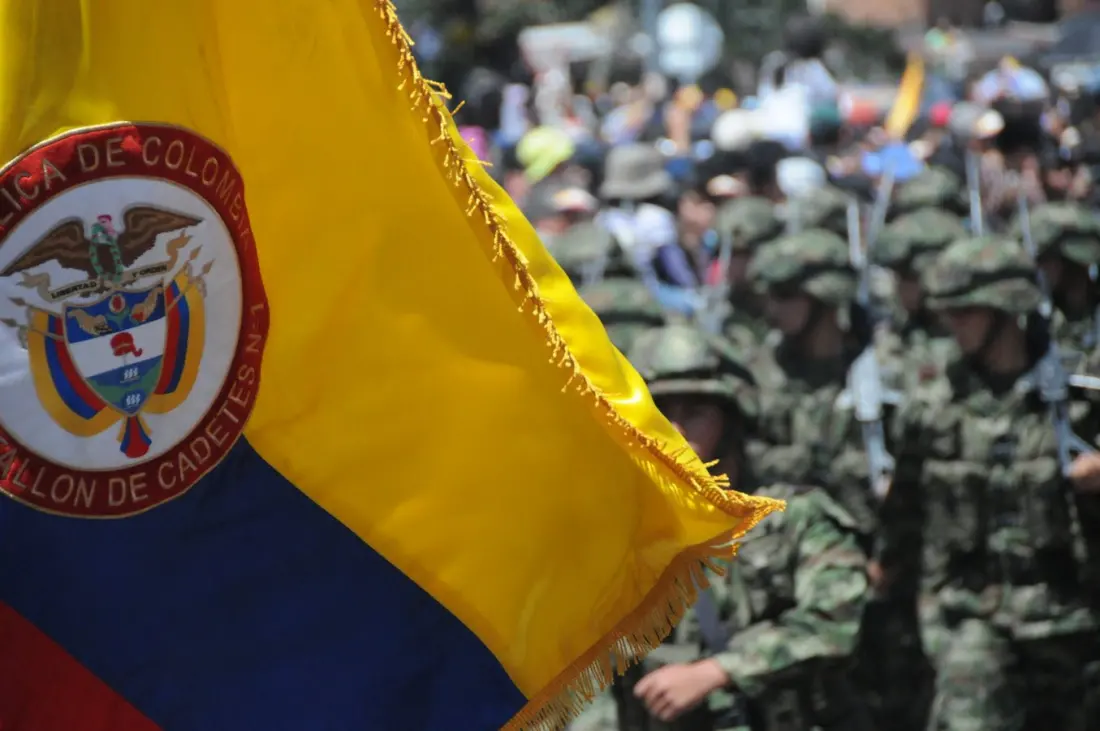
Soldiers are now patrolling the streets of Cúcuta, the busy Colombian city on the Venezuelan border, after President Abelardo de la Espriella ordered its militarisation on 29 October. The move follows the assassination of a former city official, Miguel Castellanos, and a bombing at a DIAN tax and customs office that injured seven people. Southern Bogotá could be next, with the government floating military control in Sumapaz and the corridor towards the Usme district.
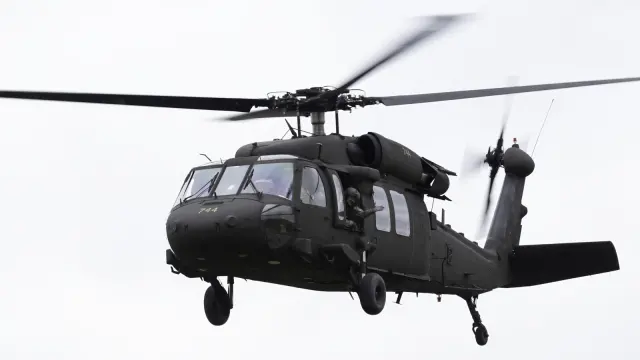
So what does 'militarising' a city actually mean here? Not martial law. Civilian authorities stay in place, and the National Police remain the lead agency for public order. What changes is visibility: troops join patrols, man checkpoints, watch key corridors and support police operations against criminal groups. The president framed it as a temporary measure until public order is restored, backed by two campaigns launching on 3 November — Operation Esparta and the Urban Security Operations Bloc (BOSUR) — aimed at dismantling criminal networks and their finances.
The backdrop is serious. Norte de Santander, the department around Cúcuta, sits on the Venezuelan border and is active territory for the ELN guerrilla group, the Gulf Clan cartel and other armed organisations. That makes the region one of Colombia's more volatile corners, well off the typical traveller circuit.
History suggests caution about results. In 2002, Operation Orion sent more than 1,500 security personnel with helicopters and armoured vehicles into Medellín's Comuna 13. It pushed out guerrilla militias, but Colombia's National Center for Historical Memory later documented civilian deaths, injuries and disappearances — and paramilitaries simply filled the vacuum. More recently, Cali's Plan Fortaleza in 2019 was studied by researchers from Brown University and Universidad de los Andes, who found in a 2023 Nature Human Behaviour paper that repeated military patrols produced no significant crime reduction, and that reported crime actually rose after the programme ended, alongside indications of police abuses.
For travellers, the practical picture is this: Cúcuta is not a tourist hub, and the land crossing into Venezuela at the Simón Bolívar bridge has long been flagged as risky. If you were considering the border region, check your government's current travel advisories — several already warn against non-essential travel to Norte de Santander. Bogotá remains a major destination, and the proposal there concerns only the far southern districts of Sumapaz and Usme, nowhere near the tourist zones of La Candelaria, Chapinero or the northern barrios. Ordinary city visits are unaffected for now, though it's worth watching how the debate between the president and Bogotá's mayor Carlos Fernando Galan plays out — he has pushed back on blurring police and military roles.
Elsewhere in Colombia, the usual advice applies: stay alert in crowds, avoid political demonstrations, use ride apps rather than street hails, and keep valuables discreet. The country welcomes millions of visitors a year, and most trips go smoothly — but this story is a reminder that security conditions can shift quickly in specific regions, so build flexibility into any overland itinerary near the Venezuelan border.