Croatia's railways are in the middle of their biggest investment push in decades. Around €1.7 billion of construction is active right now, with roughly another €6 billion planned by 2035, according to officials from the transport ministry and HŽ Infrastructure speaking on national broadcaster HRT.
The flagship project is the €900 million reconstruction of the Dugo Selo - Novska line, the last single-track stretch on the tenth international corridor. Once finished, there will be a continuous double-track, electrified railway from the Slovenian border to the Serbian border, with trains running at up to 160 km/h. Other works include the €350 million Hrvatski Leskovac - Karlovac section, plus upgrades on the Podravina and Istrian lines and the Zadar - Knin route. The Vukovar - Vinkovci section is already done.
The long-game prize is a proposed lowland railway towards Rijeka, estimated at around €5 billion, designed to move the port's growing freight volume off the roads. Officials even floated a new freight terminal on the island of Krk - connected by a new bridge - arguing it could eventually make Rijeka a stronger logistics hub than Koper and Trieste combined.
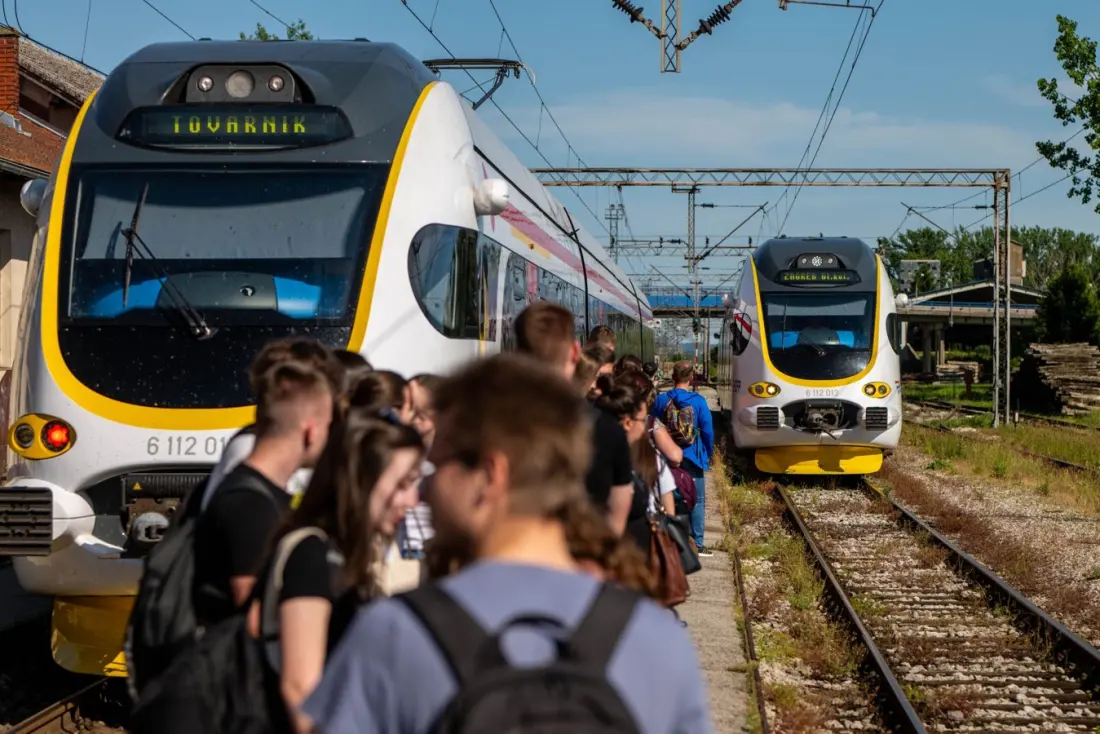
For travellers, the practical payoff is faster trains to the coast and Slavonia. Transport expert Mladen Nikšić predicts that once works wrap up, trips to Slavonski Brod or Vinkovci from Zagreb should take two to two-and-a-half hours, with quicker journeys towards Rijeka and other Adriatic cities too. The catch: patience. He reckons the full effects will only be visible in about a decade, though HŽ Infrastructure says the first improvements - on the Zagreb to Hungarian border line, in Istria, around Knin and Zadar, and on the Podravina main line - should appear within two to three years.
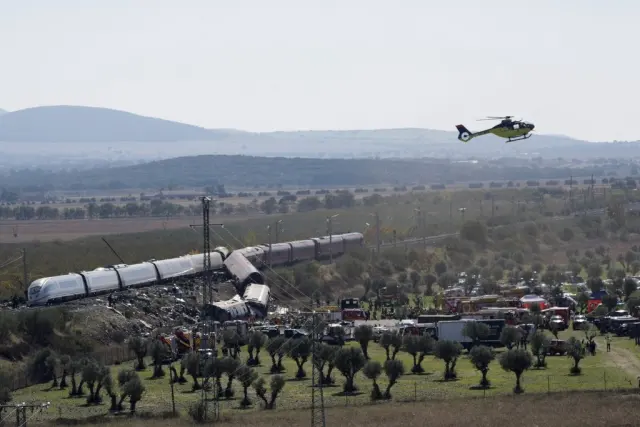
There's also a safety backdrop. Recent freight train accidents on the Rijeka line have raised questions, with academics calling for more unannounced inspections and better maintenance oversight of private operators since freight traffic was liberalised. Officials say preliminary checks found no faults in the tracks or switches themselves.
Why should holidaymakers care? If you travel Croatia by train - or plan to - the network is about to get noticeably better, but you'll need to work around disruption and manage expectations for the next few years. The realistic sweet spot for a smooth, fast rail trip from Zagreb to the coast or eastwards is the early-to-mid 2030s. In the meantime, buses and domestic flights still often beat the train for speed, though the scenic routes through Gorski Kotar and along the Adriatic remain worth taking slowly.