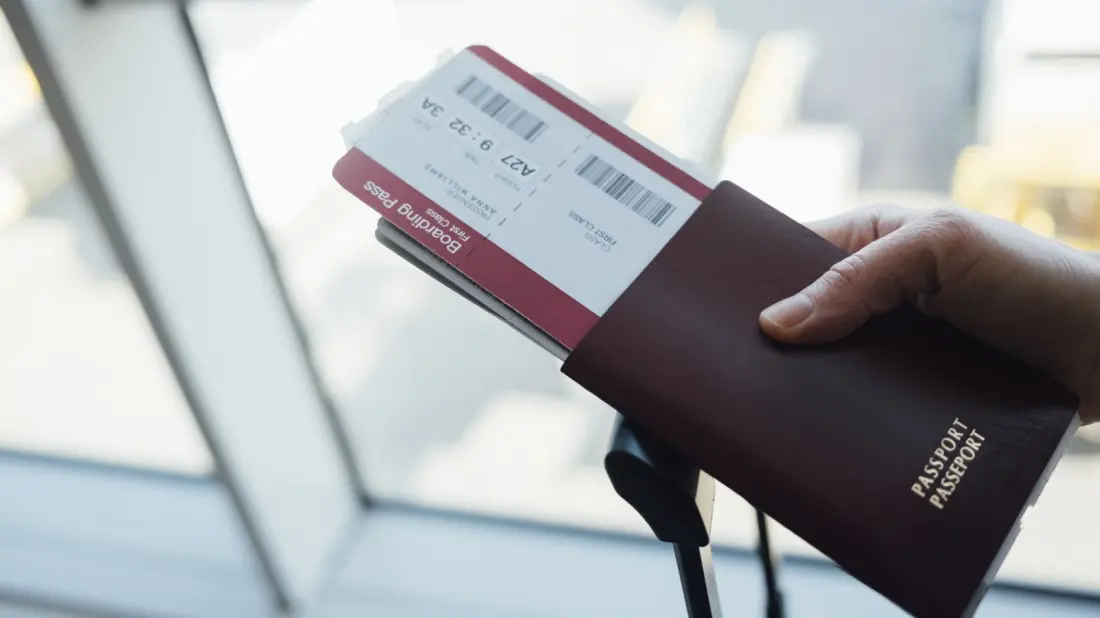
Ever glanced at the bottom of a boarding pass and noticed "SEQ" followed by a three-digit number? It's not random. SEQ stands for sequence number, and it records the order in which passengers checked in for the flight. Check in first and you'll get a low number; linger and yours will climb. Mostly it's harmless bookkeeping — AirHelp's chief legal officer Eric Napoli notes it appears on every passenger's pass whether the flight is full or not. But in one specific scenario, it can matter a lot: overbooking.
Airlines routinely sell more seats than exist on the plane, betting some passengers won't show. It's legal, and usually the maths works out. When it doesn't, gate agents first ask for volunteers to take a later flight — often with compensation. If nobody bites, involuntary bumping begins, and some carriers weigh check-in order when choosing who loses their seat. A high sequence number, i.e. a late check-in, can therefore put you closer to the front of the bumping queue. That said, it isn't the only factor: elite status, fare class, full-fare tickets and priority passengers can all trump check-in order, so a late check-in doesn't automatically mean you're off the flight.
The fix is simple: check in as early as you can. Most airlines open online check-in about 24 hours before departure, and many will ping you by email or push notification when the window opens. Checking in the moment it opens has even become a minor badge of honour — snag SEQ 001 and you were first in line, which earns bragging rights and, more usefully, a lower sequence number. If you have to check in at the airport instead, arrive early. TSA spokesperson Lisa Farbstein recommends two hours before domestic flights and three before international ones, and extra time during holiday periods. It's also worth confirming your specific airline's check-in and bag-drop deadlines, since they vary by carrier.
Early check-in has perks beyond avoiding a bump. Depending on the airline and your fare, checking in sooner can open up better seat selection. And if you do end up involuntarily denied boarding, know your rights — compensation entitlements depend on your itinerary and the circumstances, so it pays to check before accepting whatever the gate agent first offers.
Why does this matter for ordinary travellers? Because getting bumped isn't a rare freak event; it's a routine consequence of how airlines manage no-shows. The whole defence costs you nothing but a phone notification at T-minus 24 hours. Set a reminder, check in the second the window opens, and your boarding pass sequence number will quietly work in your favour — or at least not against you. For anyone flying during peak season, when flights are fullest and overbooking bites hardest, it's one of the easiest habits to adopt.