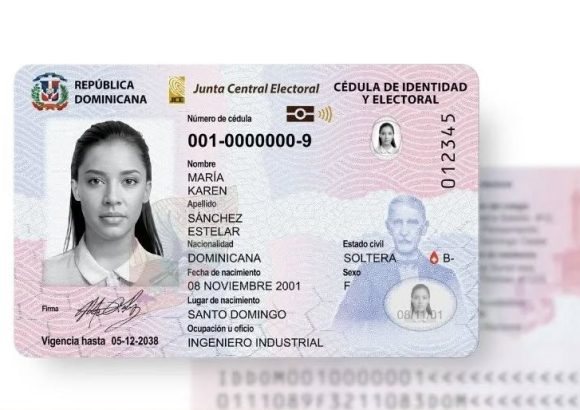
A new piece of legislation working its way through the Dominican National Congress could matter to anyone whose life in the country rests on paperwork that suddenly doesn't hold up. The bill, put forward by Representative Maribel Almánzar de Ogando of the ruling Modern Revolutionary Party, would create a special regime for people who have carried a Dominican identity card (cédula) for years, only to find their Civil Registry records questioned because of errors, inconsistencies or outright impersonation.
The gap it aims to close is real. An earlier law, No. 169-14, regularised the status of many people born to foreign parents in the Dominican Republic, but it explicitly excluded anyone whose records contained false information. That left a cohort in limbo: documents issued in good faith by the State, later challenged on technical or historical grounds, with marriages, property deeds, bank accounts and pensions hanging in the balance.
The proposal's core idea is that people who built their civil and economic lives under officially issued documents shouldn't lose everything because of registry failures they didn't cause. It would set out procedures to correct irregular records while keeping the legal effects of everything done under the questioned identity — births registered, contracts signed, property held, inheritances passed on. It also splits responsibility between the State and the individual where the irregularity stemmed from shortcomings inside the Civil Registry itself, and it stresses the goal is legal certainty, not a route to legitimise fraudulent claims.
For travellers and long-stay foreign residents, why does this matter? The Dominican Republic attracts a large community of retirees, remote workers and repeat visitors who eventually formalise residency, buy property or marry locally. Anyone who has dealt with Dominican bureaucracy knows how much rides on the Civil Registry. A law that strengthens the presumption of validity for state-issued documents — and offers a correction path instead of automatic invalidation — is good news for anyone planning to put down roots, even partial ones, on the island. It signals a system trying to protect accumulated rights rather than unwind them.
There's no timeline yet for the bill's passage, so treat it as a development to watch rather than a done deal. But for the community of long-term foreign residents and Dominican families affected by registry irregularities, it's the first serious legislative attempt in a decade to address the fallout left behind by the 169-14 process.
Story first reported by Dominican Today.