Two miles shy of White Pass in Washington's Cascade mountains, a Pacific Crest Trail hiker woke up to everything soaked — not from rain, but from camping in a fog pocket that left quilts, tents and clothes damp through the night. It's a small, very real slice of long-distance hiking, and it captures why this final stretch of trail matters to anyone dreaming about the PCT.
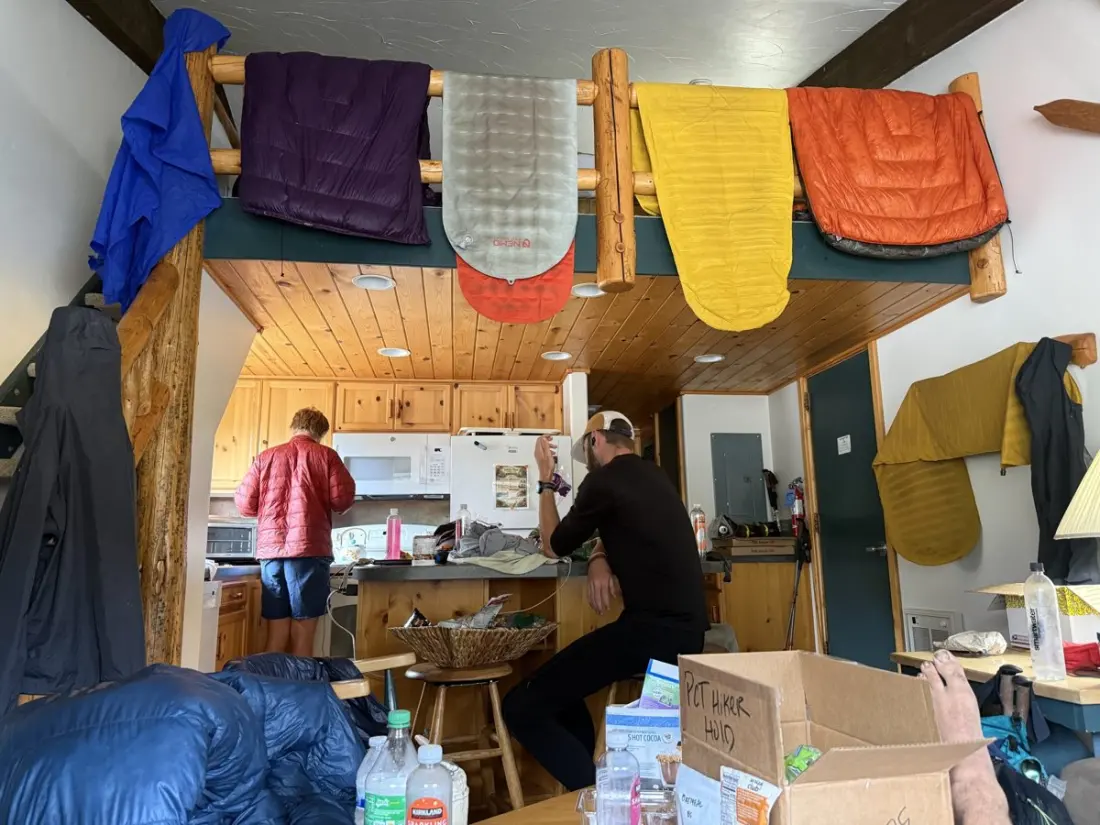
The saving grace was the trail community. Friends had arrived at White Pass the night before and booked a suite at the White Pass Inn, then requested a late checkout and threw the doors open to fellow hikers. The result: tents strung across every inch of balcony railing, sleeping pads draped over banisters, wet socks on every chair. For hikers rolling in cold and clammy, that shared room became an unofficial drying station and resupply sorting hub — a reminder that on a five-month trek, kindness often looks like a balcony and a late checkout.
White Pass itself is a classic PCT resupply point in Washington State, sitting right on US Route 12. Hikers typically mail themselves food boxes here because options are limited, which is exactly what this hiker was collecting: the last resupply box of the trip. That's the emotional weight in this story — realising that sorting gear in a hotel room was the final time. The end of an 800-mile-plus Washington section, and the end of a whole thru-hike, was suddenly close enough to feel.
The day wasn't all logistics. Pushing on for ten afternoon miles, the hiker hit a wall — a strange, dreamlike, dissociated feeling with racing thoughts gone quiet. A trail friend named Drom stuck close for the rest of the day, and a Snickers bar to bump blood sugar helped a little. The lesson is one every long-distance walker eventually learns: when you push your body to its limits for weeks, sometimes it pushes back. Rest, food and sleep aren't optional extras; they're the maintenance plan.
Why should a traveller care? Because the PCT experience isn't just epic summit photos — it's fog-damp mornings, borrowed hotel balconies, candy-bar triage and people who walk with you when you're not okay. If you're considering a section hike in Washington, the White Pass area is one of the more accessible entry points, with lodging, a general store-style resupply and trailheads right off the highway. You don't need five months; a week on this stretch gives you the alpine meadows, forest walking and trail-town culture the journal describes, minus the existential finish-line feelings.
For anyone eyeing the trail, the takeaways are simple: plan resupply boxes ahead for White Pass, build slack into your mileage for bad nights and off days, and hike with people you trust. The mountains will do the rest. Credit: The Trek.