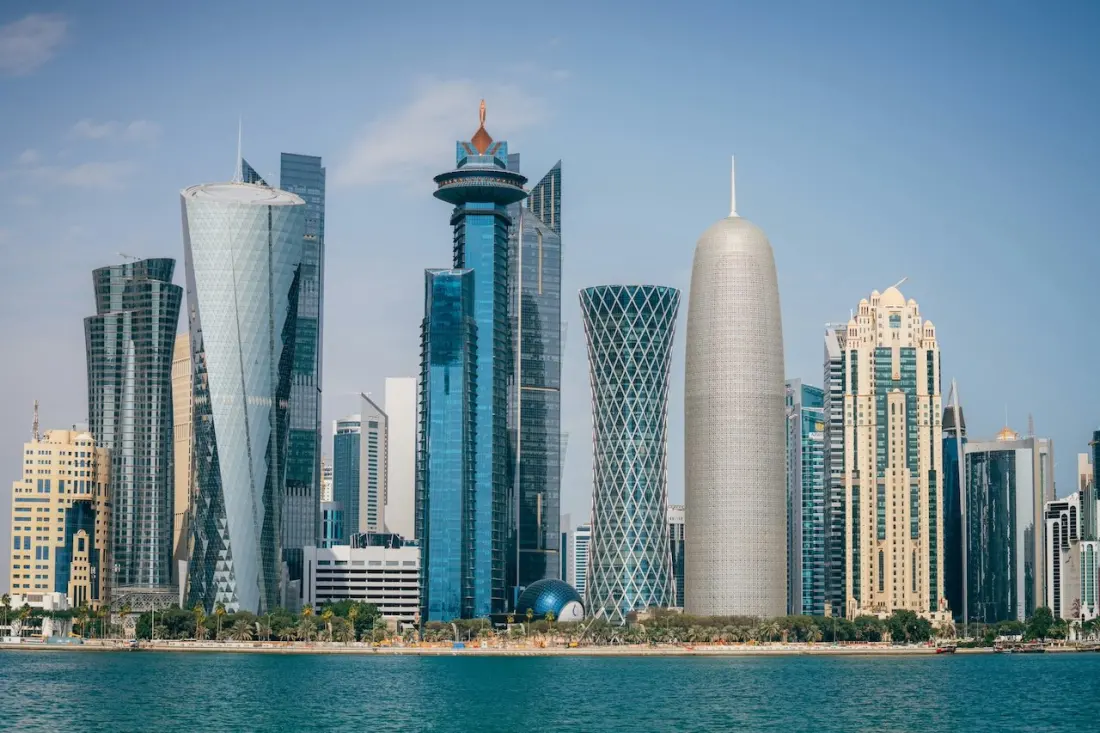
Qatar has published a national events calendar of around 560 happenings across 2026 and 2027, aiming to turn the stadiums, metro lines and global attention generated by the 2022 FIFA World Cup into a steady stream of leisure and business visitors.
Sport leads the way. The line-up includes the 2026 FIFA U-17 World Cup, MotoGP at Lusail, the Qatar T100 triathlon final and the Doha Marathon, with top-tier tennis, the FIBA Basketball World Cup and Formula 1 following in 2027. Around those anchors, Visit Qatar is adding concerts and culture — names linked to the programme include Hans Zimmer, Angham and Saint Levant, plus the Qatar International Food Festival and an Art Basel edition. The calendar was built with nearly 780 stakeholders and will be promoted everywhere from embassies to Qatar Airways seatbacks.
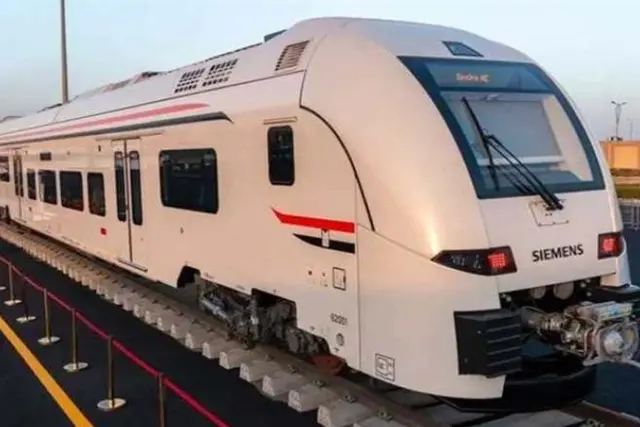
There is a bigger economic play behind it. Qatar wants tourism to contribute 12% of GDP by 2030, and the baseline is already solid: more than five million visitors in 2025, hotel occupancy above 71%, and over 163,000 tourism jobs. Practical support is coming too — a unified ticketing system is planned by the end of 2026, the Hayya platform continues to handle entry and visitor perks, and new agreements with Qatar Rail aim to link events directly to the Doha Metro and Lusail Tram.
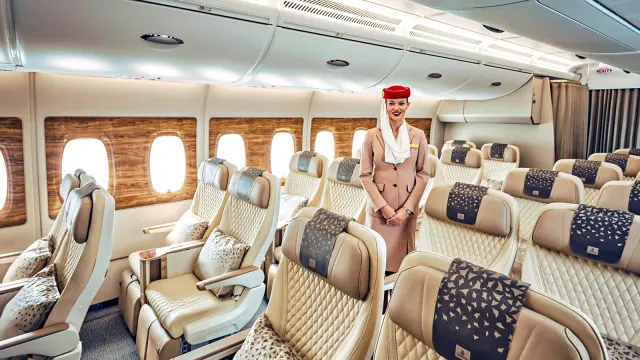
Air access is the other pillar. Qatar Airways expects to fly to more than 170 destinations with close to 1,800 weekly flights through Hamad International by December 2026, adding capacity across Europe, Africa, Asia-Pacific and the Americas, while rolling out free Starlink wi-fi on its widebody fleet.
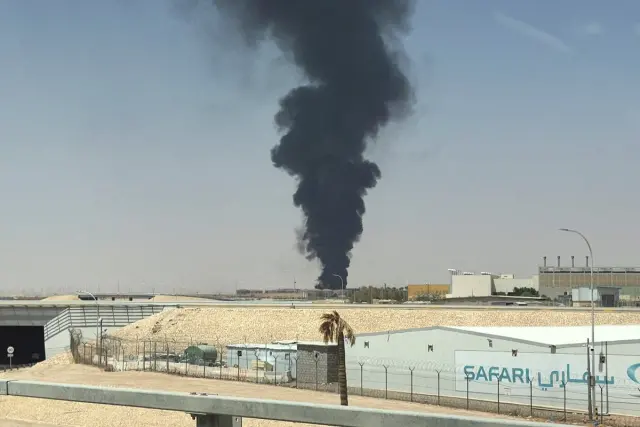
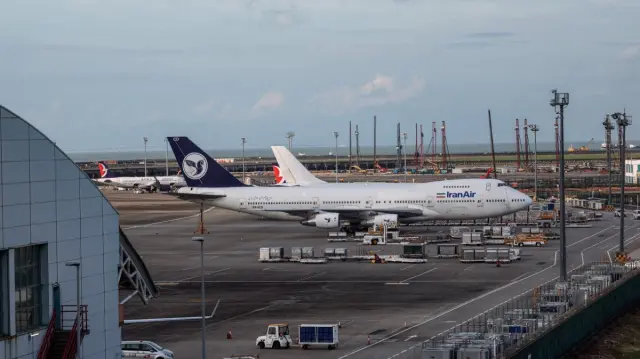
But there is a catch travellers should know about. As of 21 September 2026, Gulf airports and flight information regions were open, yet conditions were not fully normal. European safety guidance has advised operators to avoid Persian Gulf waters within the Bahrain, Kuwait, Qatar and UAE flight information regions except when arriving or departing, and Kuwait still restricts overflights. Airlines are reinstating routes at different speeds, and issues like GPS interference, congestion and tactical rerouting mean an open airport does not guarantee every itinerary runs to plan.
For anyone eyeing a race weekend, a World Cup match or a food festival in Doha, the calendar itself is a genuine draw — and the transport links and hub connectivity make an event trip easier than ever. Book with a little flexibility, keep an eye on route-specific schedule changes, and consider building a stopover around the event rather than a tight connection.