A five-year-old walking trail through the Yucatán jungle is quietly becoming one of Mexico's most interesting treks — and one of its most ethical. The Camino del Mayab runs 110km (68 miles) between villages near Mérida, following a disused 19th-century railway line that once carried henequen, the sisal fibre behind the region's rope-making boom.
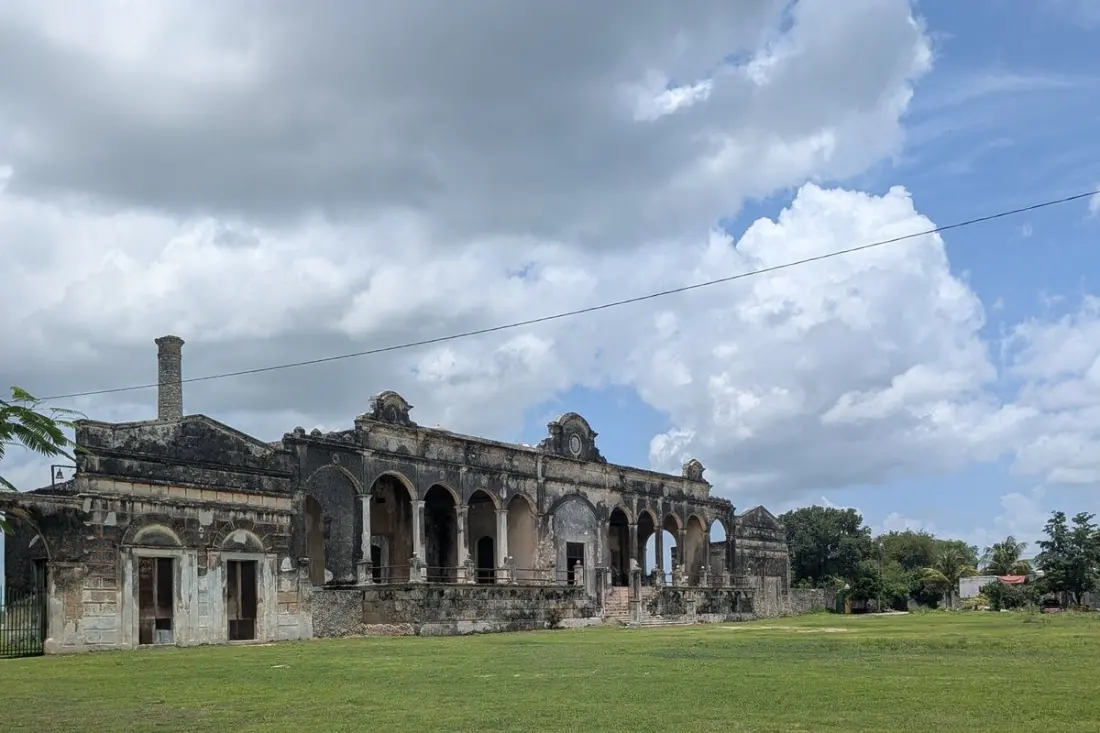
That industrial past is the trail's dark undercurrent. Hacienda owners grew rich while Maya workers were effectively enslaved through debt they could never repay. When demand for henequen collapsed in the 1950s, jungle swallowed the plantations. Today you walk past crumbling manor houses — some ruined, some converted into museums — while guides explain how that legacy still shapes local life.
Unlike the Inca Trail or the Camino de Santiago, this is a trek built around community rather than religion. It's run by Ecoguerreros Yucatán, and this year Fonatur named it one of only three community tourism projects in Mexico to receive government funding. The numbers back up the ethos: 80% of what trekkers pay goes directly to local people, funding libraries, university applications and work for women in villages that would otherwise lose their young people to the cities.
Writer Rachel Ifans walked a three-day section with her family in late June, when heat and humidity forced the group to halve the usual 20km daily distance — 30C by 9am is normal. The rewards come in other forms: Maya ceremonies before entering the jungle, clouds of butterflies believed to carry the souls of the dead, and swims in cenotes, the water-filled sinkholes Mayans saw as gateways to the underworld. Wildlife is a constant — iguanas, armadillos, boa constrictors and small wildcats among them.
The cultural encounters are the real hook. Trekkers make tortillas and eat chicken pibil in family homes, meet Angel Moles, captain of Mexico's national Pok Ta Pok team (the ancient Maya ball game, now played in seven countries), and hear first-hand accounts from former hacienda workers like Don Arsenio, who started in the henequen sheds aged seven.
Practicalities: the full five-day trek costs 14,900 MXN (about £623) per person; three days is 11,500 MXN (around £480), covering guides, transport, accommodation and meals. Nights are spent in thatched jungle huts like Xuux Eek, built by local resident Don Julio. Virgin Atlantic now flies direct from London Heathrow to Cancun, with a 3.5-hour drive to Mérida — worth a stop itself for the free Friday-night Pok Ta Pok demonstration and, at the Fiesta Americana Mérida, breakfast at the restored Hacienda San Antonio Hool. For anyone who wants a trek that leaves something behind in the places it passes through, this one is worth a look. — The Independent Travel