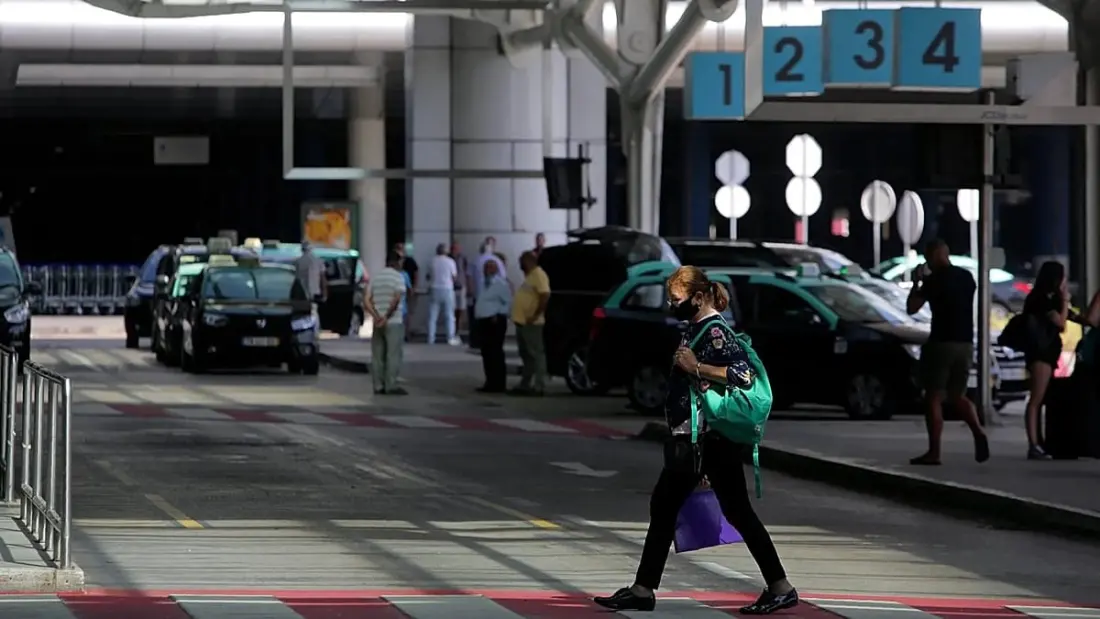
Landing at Lisbon's Humberto Delgado Airport and heading for a taxi? Prices just got predictable. A fixed-fare scheme came into force on a Thursday in mid-October, ending years of complaints about inflated meters, detours and drivers demanding cash only.
The system splits the city into two zones. Journeys into zone 1 cost 16 euros between 7am and 10pm, rising to 20 euros overnight. Zone 2 trips cost 19 euros by day and 23 euros at night, with the same rates applying at weekends and public holidays. Luggage is included, so the old 1.60 euro surcharge for larger bags is gone. Destinations outside the zones are still metered, and prices for nearby suburbs such as Moscavide, Sacavém and Prior Velho have yet to be set.
The fix responds to a long list of horror stories. A Dutch resident called the airport taxi situation a "tourist trap" in a widely shared video, describing drivers who negotiate a fare upfront and then switch off the meter - a practice that's illegal in Portugal. One traveller reported being charged 18.50 euros for a trip to Rossio when the meter read 13, with the driver blaming a luggage fee and refusing card payment. A Portuguese local recounted getting straight back out of a cab after being told card wasn't accepted and the price "depended on a series of factors". Others report longer, less direct routes designed to bump up the fare.
The authorities have numbers to back the anecdotes. A major police inspection at the arrivals area in late August flagged 67 offences across roughly 100 taxis checked, including 32 for incorrectly positioned taximeters, plus missing driver certificates, expired fire extinguishers and even one drunk-driving case.
Not everyone is thrilled, though. Locals point out that short hops - to Alvalade or Parque das Nações, barely two kilometres away - used to cost 7.50 to 10 euros, and some critics call the new rates "tourist prices" that effectively legalise overcharging. Rival ride-hailing apps (TVDE services) may be the winners. Others welcome the transparency, noting similar fixed-price systems work well elsewhere.
The deal was signed in September by Lisbon City Council, airport operator ANA, the Lisbon Tourism Association, the Portuguese Taxi Federation and ANTRAL. It goes beyond pricing: drivers cannot refuse passengers, card payments must be accepted with a working terminal, and accreditation for the airport rank is rolling out. The taxi federation's president, Carlos Silva, expects the clear rules to tempt more drivers to serve the airport. Full operation is expected from November, and information panels at arrivals are still to be installed - so for now, knowing the fares yourself is your best protection.
For anyone planning a city break, the practical takeaway is simple: agree on nothing, pay by card, and if your destination is in zone 1 or 2, the price is the price. The metro (red line direct from the airport) remains the cheapest option if you're travelling light.