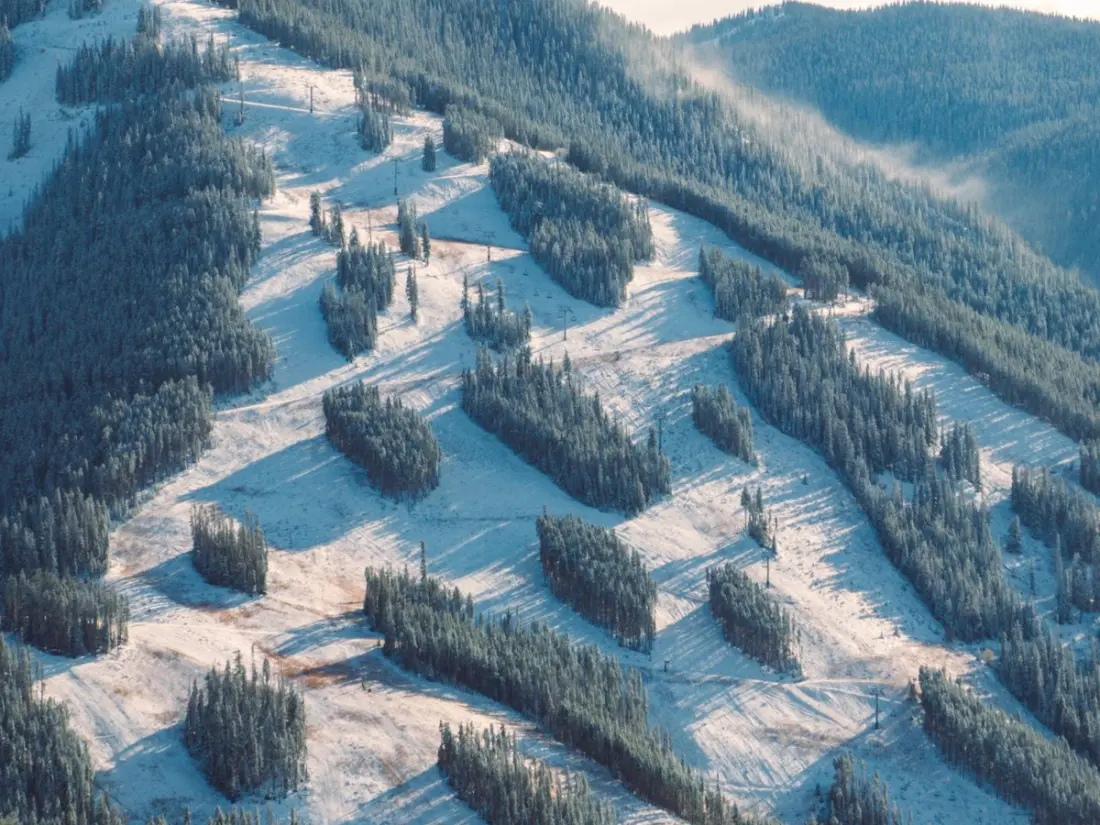
A rough snow year in the American Rockies has left its mark on North America's biggest ski operator. Vail Resorts' latest fiscal year report shows total skier visits fell 13.4 percent, a drop CEO Rob Katz pins squarely on one of the weakest snowpacks the western US has seen in recent memory.
The interesting part is how the company cushioned the blow. Lift revenue slipped just 3.5 percent, because pass sales actually rose 3.9 percent. Most Epic Passes are bought before the season starts, so Vail had already banked that money whether people showed up or not. Day tickets — the flexible option that depends on good snow to sell — took the hit. Net revenue ended the year down 4.5 percent, and net income nearly halved, from $280 million to $147.5 million. A cost-cutting programme called the Resource Efficiency Transformation Plan saved $45 million, which Vail credits with keeping the damage far worse than it might have been.
The bigger signal for skiers is what's happening now. Early sales for the coming season are down across the board: pass sales off 12 percent, estimated "days sold" down about 10 percent, and sales dollars down 6 percent. Vail's read is that casual skiers are hesitant after last winter's disappointment and are putting off buying — the company expects to claw some of that back through lift ticket sales if the snow cooperates.
There's investment on the mountains, too. Vail has announced capital improvements including a new 8-person chairlift at Park City, plus spending on rental equipment and food and beverage across its resorts.
For travellers, a few takeaways are worth noting. The Epic Pass model held up in a bad year, and it'll likely keep getting pushed as Vail's buffer against unpredictable snow. But if pass sales stay soft, watch for promotions later in the pre-season — hesitant skiers can be a lever for deals. And booking day tickets last-minute remains a gamble in a low-snow year; flexible or refundable options are worth considering when the forecast looks shaky. If Park City is on your list, the new lift should ease queues on one of the largest resorts in the country.
The broader story is that even the industry heavyweight isn't immune to a snowless winter, and both pricing and on-mountain investment in the 2026-27 season will hinge on whether skiers believe the snow is coming back.