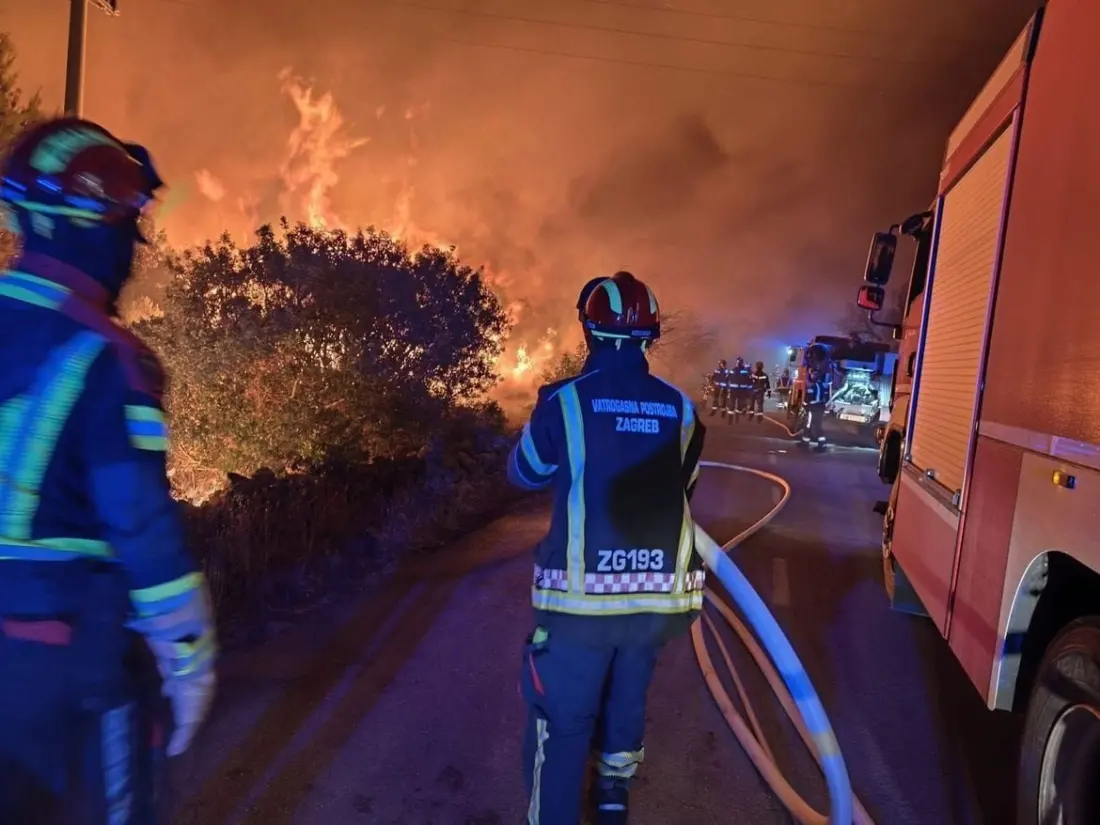
Two municipalities on the Croatian island of Brač — Milna and Nerežišća — have been officially declared natural disaster zones after a summer wildfire that tore through the wider Milna area.
Split-Dalmatia County Prefect Blaženko Boban signed the decision on Monday 12 October 2026, and residents, businesses and legal entities in the affected areas have been told to report all damage by 20 October. Municipal commissions are now racing to assess claims and log them in the national Register of Damages, the formal step that unlocks state compensation and support.
The fire itself was serious by any measure. It directly threatened lives, homes, vehicles and livestock, and hotels and resorts around Milna had to evacuate guests mid-season. It capped a summer in which large parts of the Dalmatian coast burned — notably around Omiš on the mainland just across the channel from Brač — while deliberately set fires near Zadar added a grim twist to an already harsh season. Wildfires are an annual reality in Dalmatia's dry, hot summers, but this year's scale raised real alarm locally.
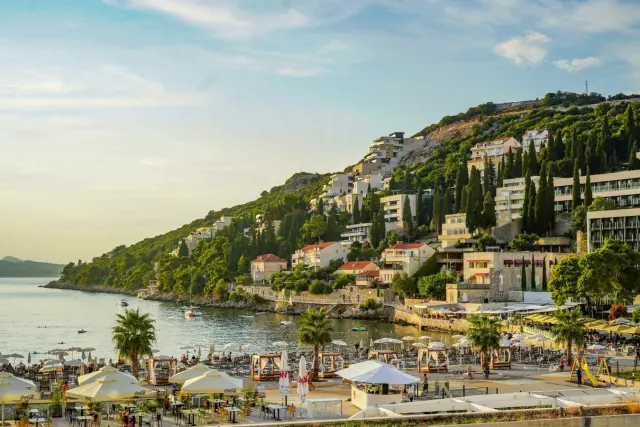
For travellers, the immediate picture is this: Brač remains open for business, and the disaster declaration is an administrative measure aimed at compensation, not a warning to stay away. Milna, a low-key harbour town on the island's western coast popular with sailors and families, and Nerežišća, a quiet inland village, will see recovery activity rather than closed roads or beaches in most cases. If you had a trip booked to the affected area, it's worth checking directly with your accommodation about any ongoing works, and travel insurance claims related to fire disruption are easier to support now that a formal disaster declaration exists.
The broader takeaway is about timing and awareness. Croatia's coastal fire season runs roughly June to September, peaking in the hottest, driest weeks of July and August. Anyone visiting the Dalmatian islands in high summer should keep an eye on local alerts, follow instructions from staff if an evacuation is ordered, and note that emergency services take these events seriously — as this year showed, fires can move fast even in busy tourist zones.
Who should care most: sailors chartering around Brač, families with August bookings on the island, and anyone planning autumn shoulder-season trips who wants to understand what happened to a place they love. The island's famous attractions — Zlatni Rat at Bol, the marble of Pučišća, the climb to Vidova Gora — sit outside the hardest-hit municipalities, so most classic Brač itineraries are unaffected.
First reported by Total Croatia.