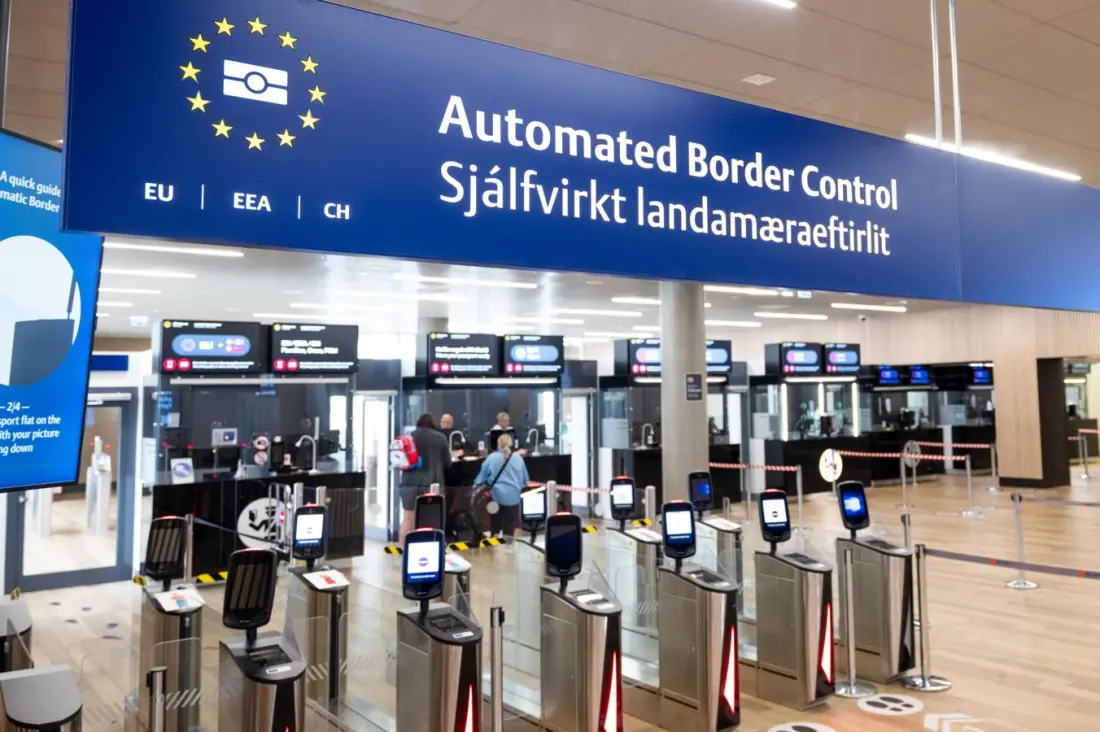
Queues at Europe's external borders have become the story of 2026 travel. Airport and airline trade groups ACI Europe and Airlines for Europe (A4E) have publicly demanded an urgent action plan from the European Commission to fix the Entry/Exit System (EES), the biometric border regime fully rolled out since late 2025. Their complaint: peak-time delays of up to five hours and severe congestion at hubs across the Schengen Area, with passengers, border guards and airline staff all absorbing the fallout.
The EES requires non-EU visitors to register passport details, a facial image and fingerprints on arrival, with records kept for up to three years. The security logic is working, by the Commission's own account: nearly 230 million entries and exits have been logged and 80,000 people refused entry, around 2,000 of them on security grounds. But efficiency is another matter. The industry groups blame structural flaws they say they flagged months ago — thin border-control staffing, unstable IT, too few self-service kiosks and automated gates, and a weak pre-travel app called Travel to Europe that was supposed to take pressure off kiosks. Some airports have even had to suspend parts of the process temporarily to keep people moving.
"This is no longer a teething problem," say ACI's Olivier Jankovec and A4E's Ourania Georgoutsakou in a joint statement, arguing that the promise of faster, seamless crossings has simply not been delivered. Their six-point fix includes scrapping duplicate checks, streamlining biometric verification, preventing duplicate traveller profiles, rebuilding the Travel to Europe app, expanding automated border gates for non-EU nationals, and making it permanently possible to skip biometric registration when queues get extreme.
The Commission, meanwhile, is pushing back. Migration Commissioner Magnus Brunner told Politico that Member States agreed to the system and had years to prepare, so implementation responsibility sits with national governments. With Brussels and the industry pointing at each other, travellers should assume friction at EU borders will persist through 2026.
If you're heading to Europe from the UK, US or anywhere else outside the Schengen zone, build generous buffer time into arrival and departure plans, especially at peak hubs, and expect fingerprint and face scans at first entry. Frequent visitors will move faster on later trips once their biometrics are on file. Watch for improvements to the Travel to Europe app — if it works as promised, pre-registering details before you fly could shave real time off the border process.