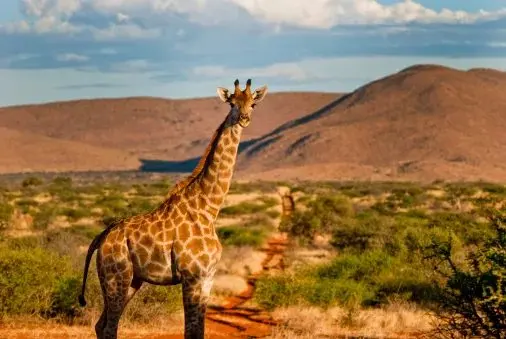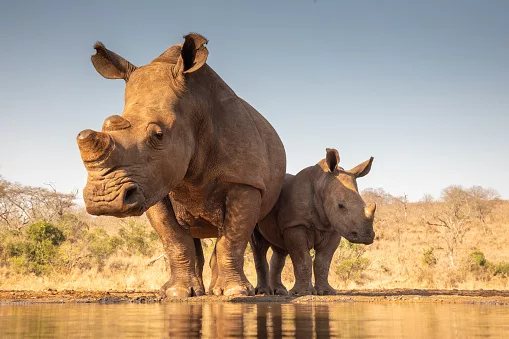
South Africa remains the frontline of global rhino conservation, and the work there is changing shape. Rather than only guarding animals already in reserves, conservationists are relocating rhinos to new habitats, boosting genetic diversity and even sending animals abroad to restore species in countries where they vanished. Poaching pressure remains real — 352 rhinos were illegally killed in South Africa in 2025, though that's 16% fewer than 2024 — but the direction of travel is encouraging, with World Rhino Day marked on 22 September.
The story starts at Hluhluwe-iMfolozi Park in KwaZulu-Natal, where a remnant southern white rhino population was found in the late 1800s and saved through the legendary Operation Rhino. Descendants of those animals repopulated South Africa and much of the continent. Today the park still does cutting-edge work, tracking black rhinos individually via foot patrols, aerial surveys and camera traps, and moving surplus animals to expand the Critically Endangered species' range.
Around Kruger National Park's edges, the Rhino Rewild initiative run by African Parks is rewilding roughly 2,000 southern white rhinos rescued from a former captive-breeding operation. In 2024, 120 of them went into Greater Kruger buffer reserves, with another 160 translocated in 2025 — dehorned and under veterinary supervision to deter poachers. By 2025, more than 300 rhinos had been moved through Rhino Rewild overall, with 33 calves already born in the wild.
The Munywana Conservancy, also in KwaZulu-Natal, adds a community angle: nearly 30,000 hectares that include land returned to the Makhasa and Mnqobokazi communities, who chose to keep it under conservation alongside &Beyond Phinda and ZUKA reserves. Munywana received 40 white rhinos in May 2024 as the first Rhino Rewild destination, then became a staging post for the continent — 70 of its rhinos were sent to Akagera National Park in Rwanda in 2025, and others helped restore populations in the DRC's Garamba National Park.
Black rhinos get their own projects. Ten critically endangered black rhinos sourced from Ithala Game Reserve and Ezemvelo KZN Wildlife's Black Rhino Range Expansion Project were flown to Zinave National Park in Mozambique in June 2025, bringing that park's translocated total to 47 rhinos. And in Limpopo, Greater Makalali Private Game Reserve runs the same WWF-led expansion project with field rangers and K9 protection units, showing how private reserves can provide safe, additional habitat.
For travellers, these five places offer something rare: the chance to see conservation history being made, not just wildlife. A safari at Hluhluwe-iMfolozi or in the Greater Kruger reserves carries the weight of the greatest single-species recovery in history, while visiting community-owned conservancies like Munywana means tourism money directly supports the people keeping rhinos alive. Rhino tracking on foot, guided game drives and luxury or budget lodge options exist across all five reserves. Few wildlife experiences feel as meaningful as spotting an animal whose species was once down to a few dozen individuals.