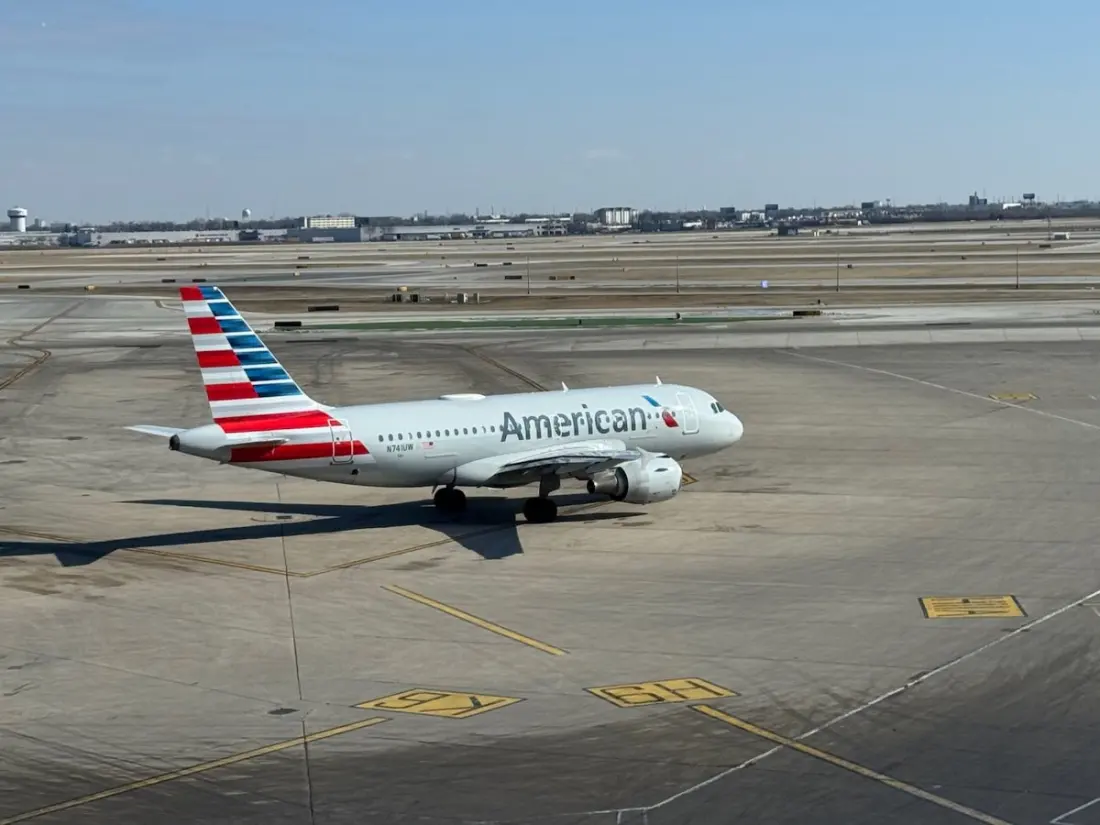
Here's a booking quirk that will make solo travellers wince: American Airlines priced a one-way Miami to Charlotte flight at $496 for a single passenger in main cabin economy. Search for two passengers on the exact same flight and the per-person fare drops to $155 — a total of $310, or $186 less than one seat alone. Travelling by yourself more than tripled the price.
The example comes from a new analysis by Thrifty Traveler, which sampled 1,000 nonstop domestic one-way fares each on American, United, Delta, Alaska and Southwest — 5,000 flights in all. American charged solo passengers more on 33.5% of the flights sampled. United did it on 10.6%. Delta, Alaska and Southwest showed no such gap in the sample. American did not respond to questions about the practice, and United declined to comment.
The mechanics, as far as researchers could trace them, sit in fare rules that require a travelling companion to qualify for certain cheaper tickets. Search for one passenger and those fares simply vanish from the results. Airlines have long used advance-purchase requirements, minimum stays and change restrictions to sort price-sensitive leisure travellers from people willing to pay more, but tying a discount to the presence of a second body on the reservation is a rarer and blunter tool. The likely logic: solo flyers are disproportionately business travellers on expense accounts, so they can absorb a higher fare.
That assumption doesn't hold up for plenty of real people. Someone flying to visit an elderly parent, taking a holiday alone, or joining a partner already at the destination needs exactly one seat. Asking for a second passenger to unlock a lower price is, from their side of the transaction, just a surcharge for being alone.
The practical takeaway for anyone booking is straightforward: before you pay, run the search a second time for two passengers and compare the per-person total for the same flight and fare class. If the airline is quietly punishing solos, a dummy second passenger can sometimes reveal the cheaper fare — and while we won't recommend actually booking a phantom seat, knowing the real price floor is useful leverage for deciding whether to book that airline at all. It adds one more comparison to the usual checklist of baggage fees, basic economy restrictions and seat selection charges, but with fares sometimes differing by hundreds of dollars, it's worth the extra minute.
For now, the effect seems concentrated on American and, to a lesser degree, United on domestic one-way routes. Delta, Alaska and Southwest travellers in the sample had nothing to check. If airlines keep filtering by party size, though, verifying the two-passenger price may become standard practice for solo bookers — a small act of consumer scrutiny the airlines' own silence invites.