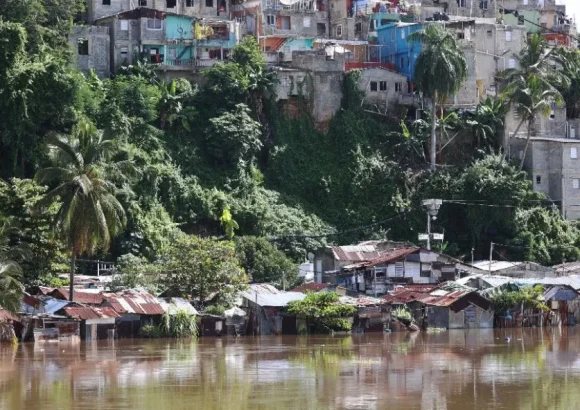
Greater Santo Domingo's poorer neighbourhoods run on schedules, not guarantees. That's the picture from a series of resident interviews across Los Guandules, Guachupita, La Ciénaga, Gualey and Los Tres Brazos, where tap water arrives once or twice a week, power cuts stretch to eight hours, and roads can go unpaved for decades.
The details are striking. In La Ciénaga, long-time resident Edward Bautista Mueses says water only arrives on Thursdays — sometimes Sundays too — and families need pumps and storage tanks to actually use it. In Los Guandules, water comes on Tuesdays and Saturdays, cutting off at 3pm. Blackouts compound the problem: residents describe buying inverters and tanks just to keep life functioning, a hidden tax on households already stretched by food prices.
That squeeze came through clearly from vendors like 70-year-old Dolores Arias, who sells chopped chicken and beans and says prices shift constantly. She receives RD$1,600 a month from the government's Aliméntate food programme — helpful, she says, but small against daily costs. A carpenter in Guachupita made the same point: RD$1,600 covers roughly a day to a day and a half of food for a family.
There are brighter notes. Some streets do get daily rubbish collection, and residents praised subsidised healthcare — one woman attends weekly therapy sessions for spinal problems at no cost. Guachupita's water and garbage services reportedly run on schedule. But the complaints about crumbling roads landed hard: an 88-year-old in Gualey recalled his street was last repaired in 2000, under President Hipólito Mejía. A neighbourhood council president in Los Tres Brazos said communities effectively have to protest to get any response from authorities.
The reporting is paired with a push from four Dominican economists — Jenny Torres, Magdalena Lizardo, Francisco Tavárez and Isidoro Santana — who argue the country's official poverty figures should measure more than income. They want multidimensional indicators capturing how households actually live: water access, housing quality, services.
Why does this matter to travellers? Santo Domingo is increasingly a stop for cruisers and city-break visitors drawn by the Colonial Zone's UNESCO-listed streets. Most tourists see none of this — the barrios sit just across the Ozama River from the polished colonial core. It's a useful reminder of how uneven urban life is in the Caribbean's largest metro area, and a reason to be thoughtful about how you spend: eating at local comedores, using neighbourhood guides and buying from markets puts money directly into these communities. If you're staying beyond the resort zones, go informed — and skip photographing residents' hardship for social media.