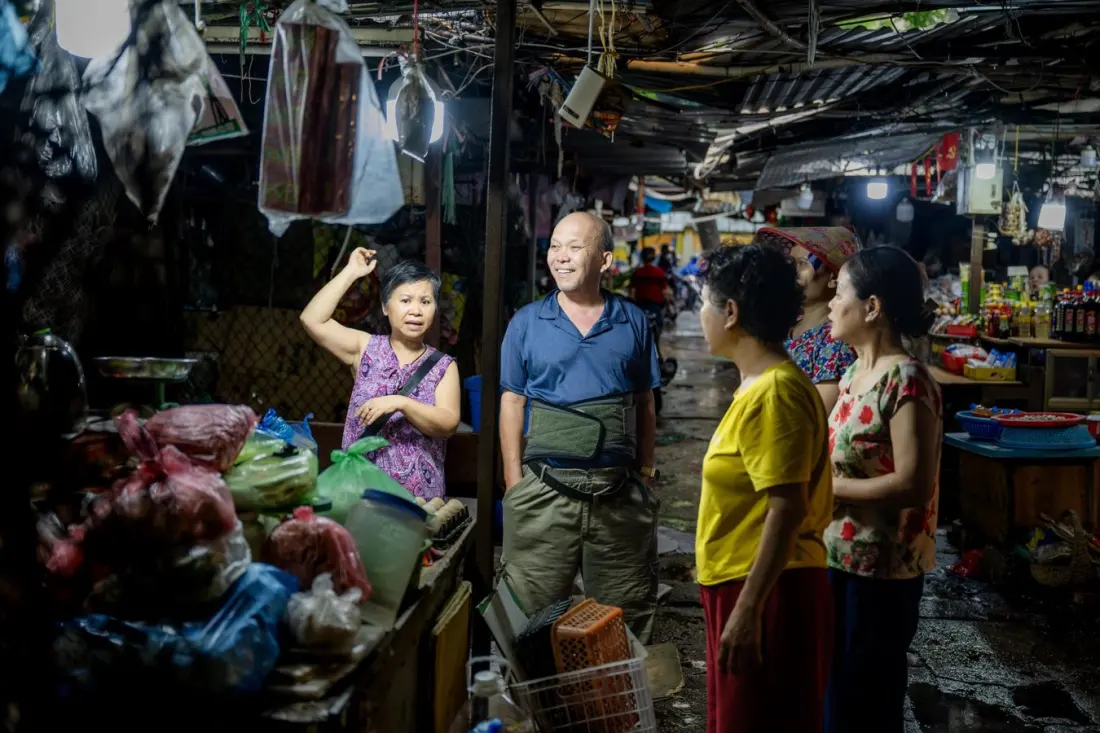
Kim Lien Market, a neighbourhood fixture in Hanoi's Dong Da area for more than three decades, went quiet on September 14. By the following afternoon, nearly 200 stallholders were dismantling shelves, hauling out stock and saying goodbye to the place many had worked since the early 1990s. The market at 23 Luong Dinh Cua Street in Kim Lien Ward was shut down by local authorities after failing fire prevention and safety inspections.
The timeline moved fast. Hanoi's fire police inspected the site on May 13, 2025 and formally flagged serious safety shortcomings. The ward issued a suspension notice on August 28, held talks with traders, and set a hard deadline: everything had to be cleared out by September 16. Utilities were cut off at noon on September 14 and security barriers went up around the grounds. On packing day, ward task forces helped vendors load goods onto trucks and flatbed motorbikes until several stalls stood completely bare.
For the traders, this was more than losing a workplace. One woman remembered setting up in 1991, when the site was bare dirt and vendors built their own stalls under corrugated roofing. Another described the community bluntly: after 30 years side by side, colleagues felt closer than family. Many accepted the fire safety rationale but said a few months' grace would have made it far easier to arrange alternative incomes.
The market opened in 1992 and became both a daily shopping hub for residents and the livelihood of generations of small traders. Officials say decades of intensive use left the infrastructure badly deteriorated and unable to meet fire safety standards. Vendors are now petitioning for answers on two fronts: whether the market will ever reopen, and whether an interim market can be set up so families can keep earning while long-term plans are decided.
For travellers, the practical takeaway is simple: if your Hanoi itinerary includes Kim Lien Market, cross it off. Anyone who has wandered Hanoi's wet markets and street-food stalls knows these spaces are where the city's daily rhythm plays out, so the loss of a 30-year-old neighbourhood market is felt well beyond the vendors themselves. Hanoi still has plenty of alternatives — Chợ Âm Phủ on the nearby Truong Dinh street area, the sprawling Dong Xuan Market in the Old Quarter, or the central Hang Da and Hom markets — but Kim Lien's closure is a reminder that Hanoi's traditional market scene is under real pressure as authorities tighten safety rules on ageing structures. If you're visiting, go support the markets that remain open; the vendors who survive these closures are often relocated nearby, and a few minutes of haggling over fruit or a bowl of bun on a plastic stool does more good than you might think.