Australia's run-up to hosting a major UN climate summit has turned into a political brawl in Canberra, and the numbers matter for anyone travelling to the Pacific this year. Senate estimates hearings revealed the government's financial contribution to October's pre-COP meeting in Fiji could hit A$34.6 million — well above the A$20 million previously flagged. That comes out of a A$150 million budget set aside for pre-COP events overall.
The spark for the row was a smaller but eye-catching figure: A$682,000 spent with the five-star Sofitel Sydney Darling Harbour to host a series of pre-COP meetings in September. Liberal senator Sarah Henderson called the spending "out of control", quipping that for that money "you could almost buy a hotel". Dr Sally Box, who heads the department's international climate negotiations division, confirmed the contract covered at least five separate UNFCCC-mandated events and negotiation workshops over several weeks, though she couldn't say how many rooms, over how many days, or why a five-star venue was necessary.
Labor senator Tim Ayres fired back by invoking history: at the 2014 G20 in Brisbane, the Abbott government booked out 7,000 hotel rooms, including luxury resorts, for A$20 million. He accused the Coalition of a "lack of seriousness" about the Pacific, citing the infamous 2015 hot mic moment when Peter Dutton joked about water lapping at Pacific leaders' doors, a senator referring to Pacific leaders as "the local blokes", and Nationals senator Matt Canavan mocking ministers for looking "silly" in Hawaiian shirts at Pacific pre-COP events.
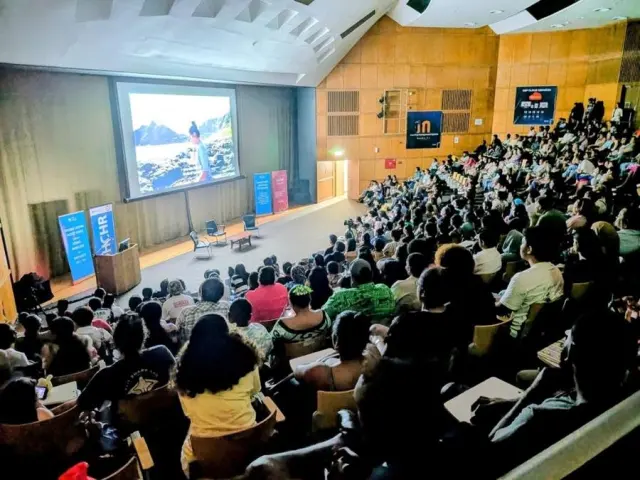
For travellers, the practical takeaway is that Fiji is about to get very busy. Pre-COP gatherings bring hundreds of delegates, media and support staff into Suva and nearby resort areas, pushing up demand for rooms, flights and ground transport in the lead-up. If you're planning a Fiji trip around that period, book early and expect diplomatic traffic around conference venues. There's a feel-good thread for the region too: Pacific tourism bodies have also launched a gender action plan aimed at making the industry more inclusive, signalling that the sector driving so many island economies is trying to broaden who benefits from it.
The bigger picture: Australia is positioning itself as the Pacific's partner of choice on climate and security, and the region's summit season — with Fiji in the spotlight — is where that play gets funded, argued over and judged.