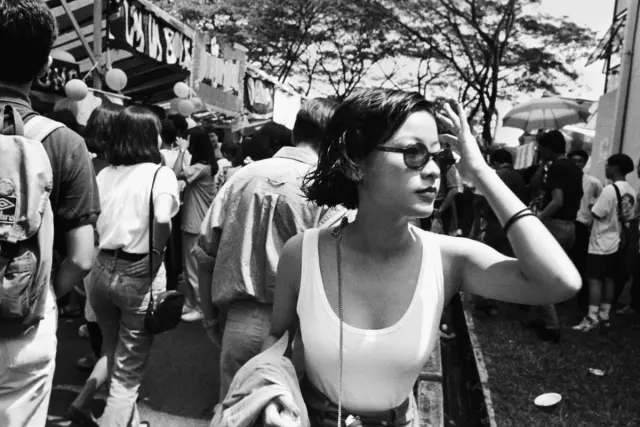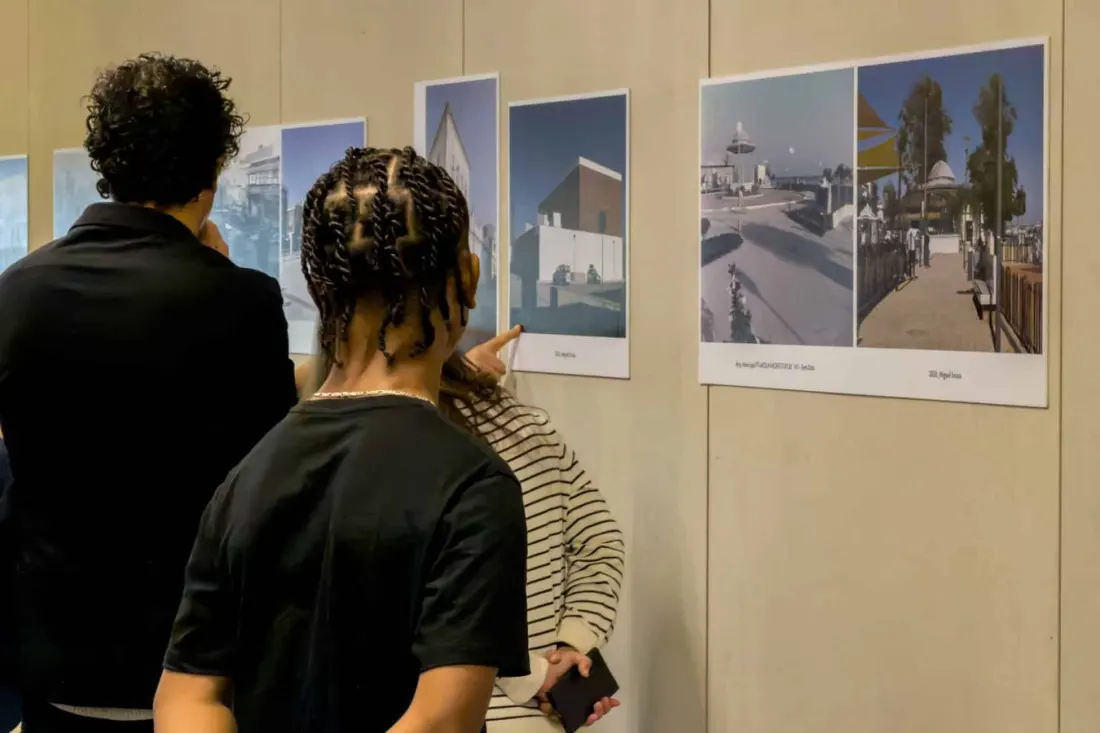
Olhão, the fishing town on Portugal's eastern Algarve, is letting visitors read its history straight off the walls. A new photography exhibition, 'Olhão antes e depois' ('Olhão before and after'), pairs archival photos with present-day shots of the same spots, all taken by young local residents. The result is a side-by-side conversation across generations about what has changed in the city – and what stubbornly hasn't.
The exhibition opened last Saturday and runs until November 13. Curated by Luís Torres, it is part of the bicentenary celebrations of Olhão Council and doubles as a showcase for the creativity of the town's younger photographers, who were handed the job of recreating the historical frames.
Rather than sit in a single gallery, the show is spread across four venues around the municipality: the Olhão Municipal Markets, Ria Shopping, Dr. Francisco Fernandes Lopes Secondary School and Casa Municipal da Juventude Hugo Charrão. Each displays the images during its usual opening hours, so you can wander between them as part of a day out. The markets in particular are worth timing around a visit – they're a working food market where the Algarve's seafood and produce culture is on full display.
For travellers, the appeal is practical as well as cultural. Olhão often plays second fiddle to resort-heavy stretches of the central Algarve, but it has a strong identity of its own: a grid of whitewashed, cube-shaped old fishermen's houses, a working waterfront along the Ria Formosa lagoon, and a growing café and rooftop-bar scene around the markets. The exhibition essentially hands you a walking itinerary – find the locations in the photos, compare them with what stands there now, and you'll see the town's story unfold street by street.
Organisers frame it as a chance to revisit the past while looking at the city as it is today, told through the eyes of two generations of photographers. If you're in the Algarve before November 13, it's an easy, free way to add some local texture to a beach holiday, and a good excuse to explore a town most visitors only pass through on the way to the ferry for the islands.