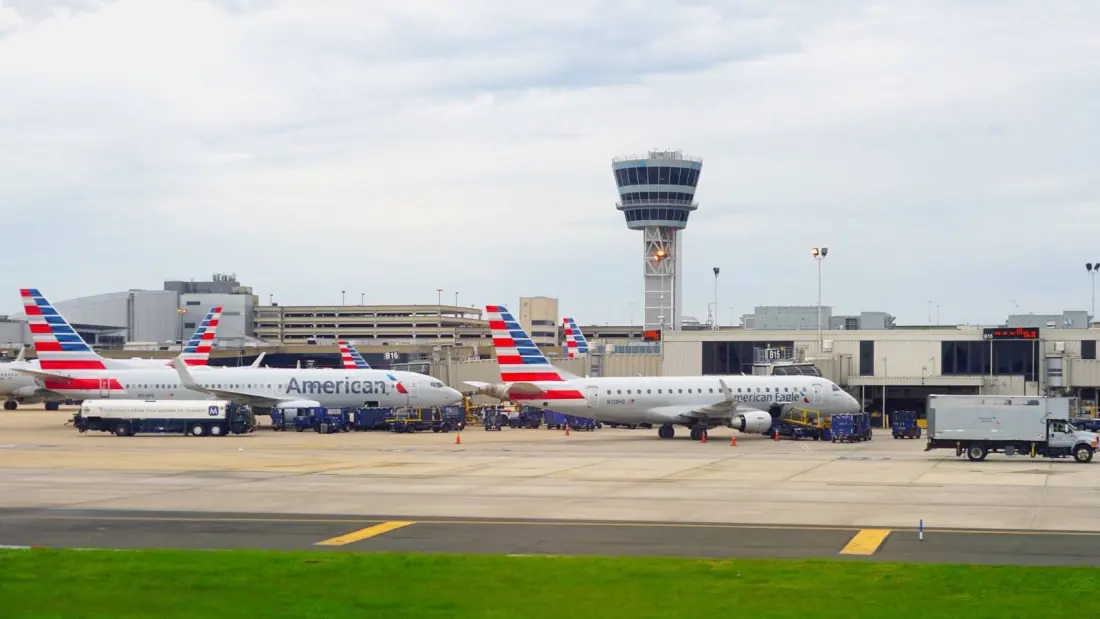
Health officials in Philadelphia are asking travellers to check their symptoms after a passenger with measles spent nearly five hours transiting through Philadelphia International Airport (PHL). The individual was there on the night of Sunday, September 13, from 7:25 PM until 12:05 AM, moving through Terminals B and F and the connecting corridors serving Terminals C, D, and E. Officials stressed the case is unrelated to a separate exposure at the Children's Hospital of Philadelphia, and because the traveller never left the airport, the wider public risk is considered low.
Still, measles is often described as the world's most contagious virus, so anyone passing through those terminals during that window is being advised to monitor for symptoms and confirm their vaccination status. Dr Palak Raval-Nelson of the city's health department was blunt in her reassurance: fully vaccinated Philadelphians have little to fear.
It's also not a one-off. Earlier this year, a measles case arrived at PHL and the infected passenger caught a train to Virginia, while Baltimore-Washington airport issued its own warning around the same time. Across 2025, major hubs including Phoenix Sky Harbor, Denver, Chicago O'Hare and LAX (twice, on long-haul flights from Taiwan and Qatar) have all handled exposure alerts.
The pattern raises an obvious question: why airports? MIT researchers have modelled which US hubs are most likely to see on-site disease spread, weighing traffic volume, network size, long-haul share and how many passengers connect on layovers. Cornell researchers add that airports combine dense crowds, shared touchpoints and inconsistent ventilation and hygiene — conditions that suit a virus like measles perfectly. And it's not just viruses: Frankfurt Airport recently saw a malaria outbreak traced to a mosquito that arrived on a flight, which killed two workers with a third death later reported.
For holidaymakers, the takeaway is practical rather than alarmist. Vaccinated travellers face minimal risk, but if you're unvaccinated, unsure of your status, travelling with an infant, pregnant without immunity, or immunocompromised, it's worth checking your records before flying — and post-exposure treatment can reduce severity if you act quickly. Long layovers in crowded hub terminals carry more considerations than just where to eat.