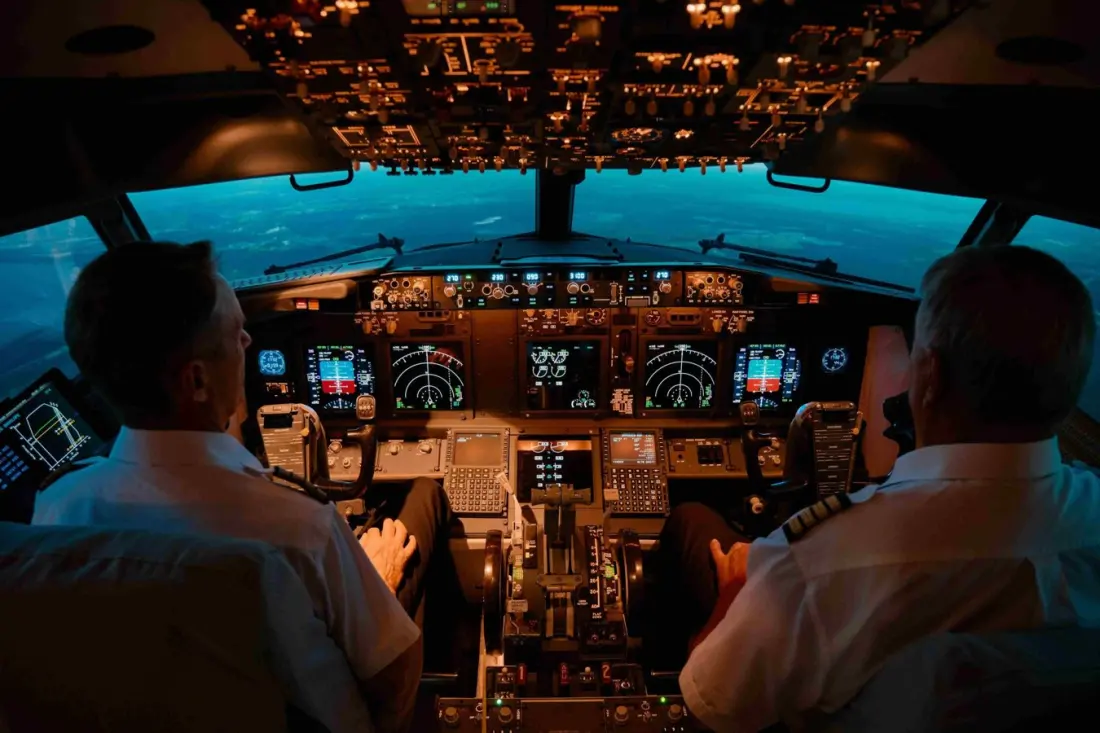
A new survey has put a number on something frequent flyers might rather not think about: 76% of commercial pilots said they had experienced a "microsleep" on the flight deck within the past month.
The research, commissioned by the European Cockpit Association (ECA) and run by aviation consultancy Baines Simmons, surveyed 7,200 pilots across 32 countries. The fatigue findings go beyond the odd involuntary nap. More than half of pilots admitted they had flown a sector while feeling too tired to do so safely — despite rules requiring them to declare themselves unfit for duty. Only about a third said they would routinely report tiredness at all.
Why stay silent? Half of respondents pointed to fear of negative consequences from management, and around 12% said they simply didn't trust the reporting system. Half also said their airline manages the safety hazard of fatigue poorly or not at all, and just 11% could point to a fatigue report that actually led to a safety improvement.
The picture varies by country. Around 40% of pilots flying for Spanish airlines said they usually work while fatigued, with 30% at Irish and French airlines, compared with 10% at UK carriers — though the international nature of airline employment makes country-by-country comparisons tricky.
The ECA isn't the only body flagging this. An EASA report from June 2026 identified aircrew fatigue as one of the sector's most persistent safety concerns. A September 2025 survey of 900 pilots by German union Vereinigung Cockpit found 93% admitted napping on duty, with 74% calling it standard practice. And a 2025 Ghent University study, backed by the European Commission, surveyed 6,900 pilots and cabin crew: 68% scored below accepted mental health and wellbeing thresholds, 78% reported feeling "dehumanised", and 42% said duty and rest schedules were being pushed to their limits.
The ECA is now calling on the EU Aviation Safety Agency to tighten its rules and add proper oversight so airlines actually act on them. ECA president Captain Tanja Harter argued the burden can't sit with pilots alone, who are expected to deliver passengers safely while managing their own exhaustion mid-flight.
For travellers, this isn't a reason to panic — commercial aviation remains one of the safest ways to get around, and multi-crew procedures are designed with human limits in mind. But it does explain why fatigue is a live regulatory issue in Europe, and why any EASA response could eventually shape scheduling, duty limits and even the punctuality of the flights you book. Frequent flyers within Europe, especially on short-haul routes where quick turnarounds and early starts stack up crew hours, are the ones most affected by how this debate gets resolved.